R. Glenn Hubbard, Ph.D.
R. Glenn Hubbard, Ph.D.
R. Glenn Hubbard joined the Board of Directors at Metlife in 2007 and was appointed to Chairman in 2019 and is also on the Board of Directors of TotalEnergies since 2021. Mr. Hubbard has served as a Professor of Economics at Columbia University since 1997, Russell L. Carson Professor of Economics and Finance, Graduate School of Business since 1994, was Dean of the Graduate School of Business from 2004 to 2019 and Dean Emeritus of the Graduate School of Business since 2019. Mr. Hubbard served on the Board of Directors at Automatic Data Processing from 2004 to 2020, Dex Media, KKR Financial Corporation, and Automatic Data Processing. Mr. Hubbard serves as the Co-Chair of the Committee on Capital Market Regulation since 2006, a member of the Federal Reserve Bank of New York’s Panel of Economic Advisors from 1993 to 2001 and from 2007 2017, and Chairman of the Economic Policy Committee at the Organization for Economic Cooperation and Development from 2001 to 2003. Mr. Hubbard served as the Economic Advisor to the 2016 Presidential Campaign of Jeb Bush and the 2012 and 2008 Presidential Campaign of Mitt Romney, Chairman of the President’s Council of Economic Advisers from 2001 to 2003, and Deputy Assistant of the Treasury at the U.S. Department of the Treasury from 1991 to 1993.
Corporate Affiliation
Company Risk Score
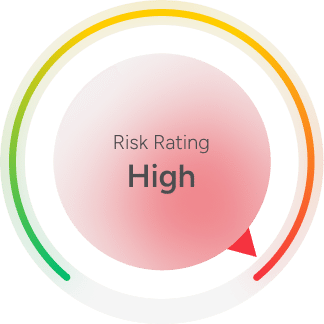
METLIFE IS HIGH RISK.