Blue Yonder, Inc.
Companies that offer so-called transgender healthcare for their employees and covered dependents.

Rating Overview
Rating Criteria
Rating Criteria Detail
Corporate Weaponization
Criteria:
Has canceled customers, suppliers, or vendors due to their political views or religious beliefs OR corporately boycotts, divests, or sanctions regions, people groups, or industries.
Risk Level:
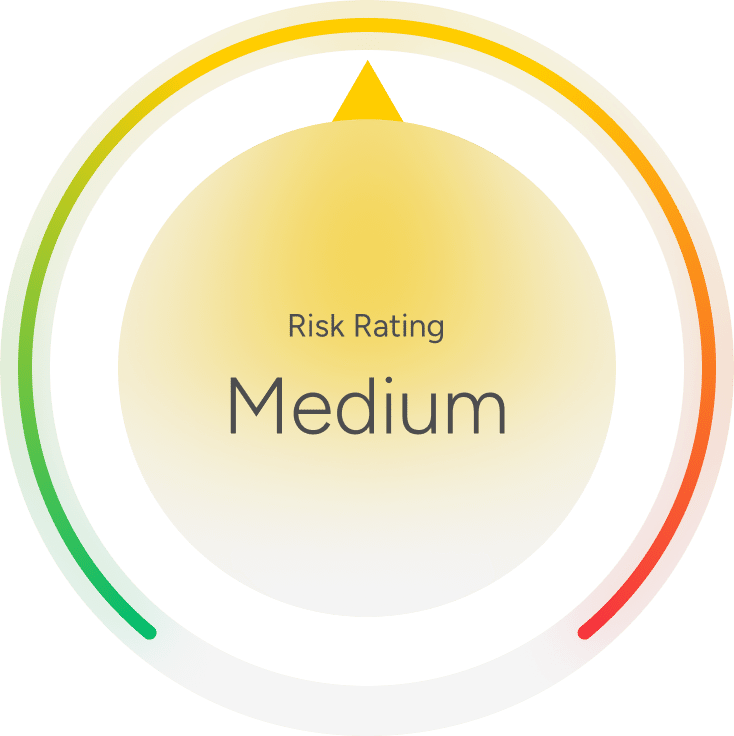
MediumRationale:
Blue Yonder received a score of 85 on the 2026 Corporate Equality Index (CEI) from the Human Rights Campaign (HRC), a political stakeholder group. The company recruits employees based on sexual identity issues. The company discriminates against vendors that do not promote divisive sex and gender policies, indicating it prioritizes sexual issues over merit (1)(2)(3). The company received a score of 65 on the 2025 Corporate Equality Index (CEI) from the Human Rights Campaign (HRC), a political stakeholder group. The company recruits employees based on sexual identity issues, indicating it prioritizes sexual issues over merit (4)(5). However, Blue Yonder has not canceled customers, suppliers, or vendors based on political views or religious beliefs (6).
Criteria:
Charitable giving (including employee matching programs) policies or practices discriminate against charitable organizations based on views or religious beliefs.
Risk Level:
N/ARationale:
Blue Yonder does not publish charitable giving guidelines (1).
Criteria:
Employment policies fail to protect against viewpoint or other discrimination and/or are ideological in nature.
Risk Level:
HighRationale:
Blue Yonder’s HRC 2026 CEI rating indicates the company forces employees to attend at least one, controversial training on gender identity, sexual orientation, transgender issues, and divisive racial ideology. The company provides gender transition guidelines for its employees (1)(2)(3). The company’s HRC 2025 CEI rating indicates the company provides gender transition guidelines for its employees and a specific benefits guide with a comprehensive explanation of transgender services funded by the company (4)(5). Blue Yonder created an “awareness library” for its employees that covers topics such as allyship, inclusive leadership, and anti-racism. It also conducts quarterly DEI education with courses such as “Confronting Bias” (6). The company does not provide viewpoint protections for its employees (7).
Corporate Governance and Public Policy
Criteria:
Uses corporate reputation to support causes, organizations, or policies hostile to freedom of expression.
Risk Level:
HighRationale:
Blue Yonder’s HRC 2026 CEI rating indicates the company potentially agrees to allow a controversial stakeholder group focused on sexual identity issues to dictate marketing or advertising strategy. By doing so, the company risks dividing employees, alienating customers and harming shareholders (1)(2)(3). The company hosted awareness campaigns on unconscious bias and inclusive leadership (4). Blue Yonder published articles on the importance of allyship in the workplace (5)(6).
Criteria:
Uses corporate funds to advance ideological causes, organizations, or policies hostile to freedom of expression.
Risk Level:
MediumRationale:
Blue Yonder’s HRC 2026 CEI rating indicates the company has potentially pledged philanthropic support of at least one organization or event that promotes sex and gender ideology. By allowing a political stakeholder group to dictate operations, the company increases health care costs and risks dividing employees, alienating customers and harming shareholders (1)(2)(3)(4) The company’s HRC 2025 CEI rating indicates the company covers transgender related costs for its employees and their children, including paid short-term leave, puberty blockers, cross-sex hormones, chest surgeries, genital surgeries, medical visits and lab monitoring, travel and lodging. By allowing a political stakeholder group to dictate operations, the company increases health care costs and risks dividing employees, alienating customers and harming shareholders (5)(6). Otherwise, Blue Yonder has not used corporate funds to advance ideological causes, organizations, or policies (7).
Related Companies

Commercial and Professional Services

KBR

Commercial and Professional Services
Accenture

Commercial and Professional Services

Booz Allen Hamilton

Commercial and Professional Services
Deloitte Touche Tohmatsu Limited (DTTL)

Commercial and Professional Services
Leidos

Commercial and Professional Services
Ernst & Young (EY)

Commercial and Professional Services
ManpowerGroup

Accounting Payroll & HR Services, Commercial and Professional Services

Insperity

Commercial and Professional Services
CapinCrouse

Commercial and Professional Services
Jacobs Solutions