
Olo, Inc.
The biggest 3000 companies in the U.S. in the year of 2025.
Rating Overview
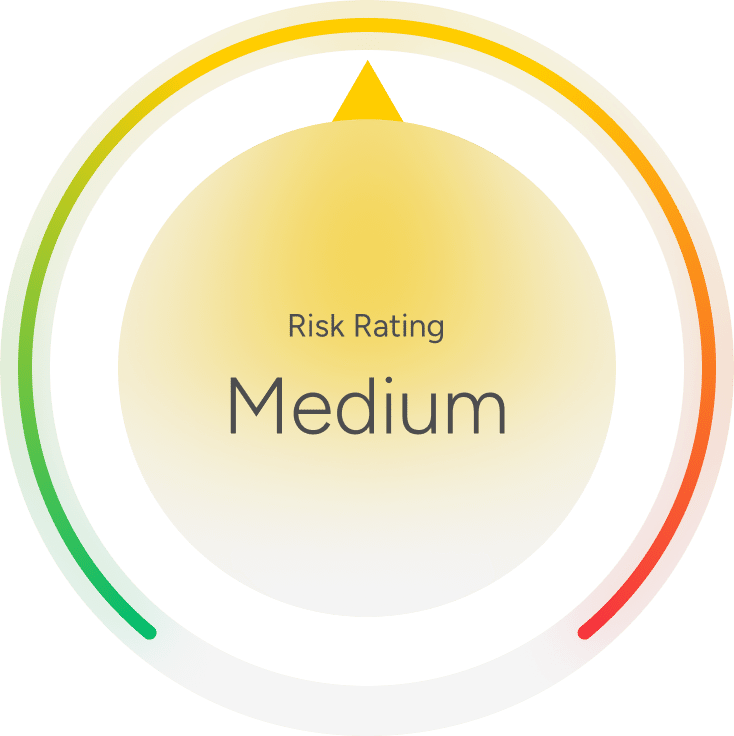
Rating Criteria
Rating Criteria Detail
Corporate Weaponization
Criteria:
Has canceled customers, suppliers, or vendors due to their political views or religious beliefs OR corporately boycotts, divests, or sanctions regions, people groups, or industries.
Risk Level:
MediumRationale:
Olo, Inc. integrates ESG into its business practices. From its 2023 ESG Report: “We introduced a new vendor intake survey which asks about sustainability and social impact information and programs,” and “60% of our spend is on cloud providers who have a net zero plan” (1). From its ESG webpage: “Our ESG Team and our Board’s Nominating and Corporate Governance Committee, who receives quarterly ESG updates, formally oversees Olo’s ESG activities, programs, and public disclosures,” (2). The company has a history of divisive corporate policies and practices. However, in 2024, the company removed ESG language and policies from its Community Impact & Culture Report. To date, the company has not publicly addressed these changes, leaving shareholders without clarity regarding the company’s reasoning or future direction (3). However, it has not canceled customers, suppliers, or vendors based on political views or religious beliefs (4).
Criteria:
Charitable giving (including employee matching programs) policies or practices discriminate against charitable organizations based on views or religious beliefs.
Risk Level:
MediumCriteria:
Employment policies fail to protect against viewpoint or other discrimination and/or are ideological in nature.
Risk Level:
HighRationale:
Olo requires its employees to take DEI training and offers unconscious bias training (1)(2). The company appears to prioritize diversity over merit in its recruitment, hiring, promotions, leadership composition, supply chain, and mentorship program. From its 2023 Proxy Statement: “To recruit a diverse workforce, we focused on the following initiatives in 2022: Proactively sourcing diverse talent. Forming strategic partnerships to diversify our candidate pool… [and] Celebrating and increasing awareness of different cultures with programming that highlights various demographics and intersectionality,” (3). From its 2023 Annual Report: “Olo currently has 42.5% women and 18.8% underrepresented ethnicities who make up our team… Part of how we’ve achieved results is by hiring and retaining underrepresented talent, focusing on career advancement and upward mobility…” (4). From its Corporate Governance Guidelines: “The Board recognizes the importance of diversity within the Board… In conducting its assessment, the Board considers diversity (including diversity of gender, ethnic background and country of origin)… to maintain a balance of knowledge, experience, and capability on the Board,” (5). From its 2023 ESG Report: “In line with our commitment to supplier diversity, we partnered with qb. Consulting, a small, women-owned strategy and communications firm, to develop this report. We collaborated with FRINGE22 Studio, a BIPOC-owned design and creative strategy studio with a passion for social impact, for the report’s design,” (6). From its 2024 Proxy Statement: “… in 2022, we launched Olo Ties, a pilot mentorship program created to address mentorship needs for women and people of color,” (7). Olo appears to prioritize diversity over merit in its business structure through the establishment of gender and racial targets for its workforce composition. The company sought a composition of 42% women and 18% underrepresented ethnicities by 2024 (8). The company has a history of divisive corporate policies and practices. However, in 2025, the company removed DEI language and policies from its Proxy Statements and Annual Reports. To date, the company has not publicly addressed these changes, leaving shareholders without clarity regarding the company’s reasoning or future direction (9)(10). Olo does not provide viewpoint protections for its employees (11)(12).
Corporate Governance and Public Policy
Criteria:
Uses corporate reputation to support causes, organizations, or policies hostile to freedom of expression.
Risk Level:
HighRationale:
Olo opposed various state and local legislation intended to protect parental rights, girls’ sports, bathroom facilities, and gendered spaces (1)(2). The company is a member of the “Don’t Ban Equality” business coalition, which advocates against any abortion restrictions because they are “bad for business” (3). Olo supports DEI within its business practices, hosting a DEI Committee (4). The company supports DEI within its business practices. From its 2024 Proxy Statement: “We are committed to maintaining a healthy, safe, and inclusive workplace for our employees and are taking steps to increase diversity and equity across our workforce. A diverse and motivated workforce is essential to our success, innovation, and competitive advantage,” (5). It supports ESG within its business practices. From its 2024 Proxy Statement: “We
are eager to advance ESG through sustainability, social impact, and diversity, equity, inclusion, and belonging (‘‘DEIB’’), enforced by strong corporate governance and ethics” (6). The company has a history of divisive corporate policies and practices. However, in 2025, the company removed DEI and ESG language and policies from its Proxy Statement. To date, the company has not publicly addressed these changes, leaving shareholders without clarity regarding the company’s reasoning or future direction (7).
Criteria:
Uses corporate funds to advance ideological causes, organizations, or policies hostile to freedom of expression.
Risk Level:
HighRationale:
Olo funded The Trevor Project, Everytown for Gun Safety, and the ACLU (1). The company’s Olo Pride ERG hosted a LGBTQ pride parade and multiple ideological events, which likely used corporate funds (2). Otherwise, there are no publicly known cases of Olo using corporate funds to advance ideological causes, organizations, or policies (3).
Related Companies

Cloud & Data Storage, Retailing, Software and Services

Amazon

Media and Entertainment, Software and Services, Web Browsers
Microsoft
Cloud & Data Storage, Media and Entertainment, Software and Services, Web Browsers
Alphabet

Cloud & Data Storage, Software and Services, Technology Hardware and Equipment

IBM
Cloud & Data Storage, Software and Services
Oracle
CRM & Project Management, Software and Services
Asana

Accounting Payroll & HR Services, Diversified Financials, Software and Services
Intuit

Software and Services
Adobe
Accounting Payroll & HR Services, CRM & Project Management, Software and Services
SAP

Software and Services
DXC Technology