
Target
Companies who scored 100% on the 2025 Corporate Equality Index.
Companies provide a benefit package for employees which covers travel/lodging costs for an abortion.
Company is a corporate partner of Ashoka, a global network of entrepreneurs focused on widespread, systemic social and environmental change
Companies who signed the Business Roundtable 2019 Stakeholder Capitalism statement
These companies are committed to leveraging shareholder or investor assets for net-zero emission goals and climate ambitions for GFANZ, Climate Action 100+, CERES, PCAF, UN PRI, NZLA, FIT, or HSCP.
The biggest 1000 U.S. companies by revenue according to form 10-K.
Companies that offer so-called transgender healthcare for their employees and covered dependents.






Rating Overview
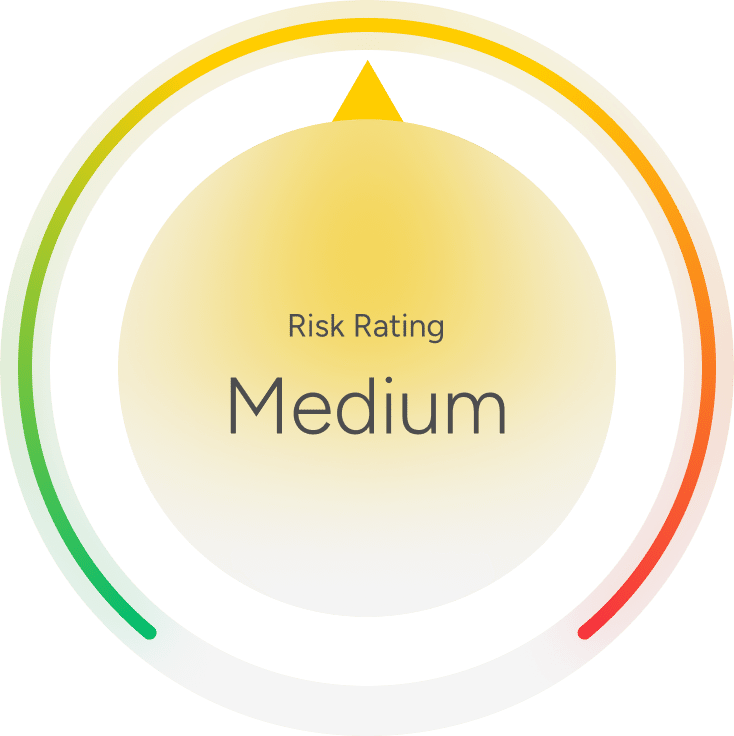
Rating Criteria
Rating Criteria Detail
Corporate Weaponization
Criteria:
Has canceled customers, suppliers, or vendors due to their political views or religious beliefs OR corporately boycotts, divests, or sanctions regions, people groups, or industries.
Risk Level:
HighRationale:
Target pulled two books off its shelves that upset one Twitter user because of the books’ critical stances towards transgender ideology (1). This book banning included Irreversible Damage by Abigail Shrier (2). The company also abruptly stopped selling Matt Walsh’s previously best-selling children’s book (3). Target is currently facing a shareholder lawsuit for the $12 billion share value loss that ensued from its transgender advocacy (4)(5).
Criteria:
Charitable giving (including employee matching programs) policies or practices discriminate against charitable organizations based on views or religious beliefs.
Risk Level:
LowerRationale:
Target does not discriminate against charitable organizations based on views or beliefs. However, it will only give to religious organizations that provide non-sectarian services (1).
Criteria:
Employment policies fail to protect against viewpoint or other discrimination and/or are ideological in nature.
Risk Level:
MediumCorporate Governance and Public Policy
Criteria:
Uses corporate reputation to support causes, organizations, or policies hostile to freedom of expression.
Risk Level:
HighRationale:
Target advocated against the Georgia voting integrity bill (1). The company signed an open letter endorsing the Equality Act, a contentious proposal to amend the 1964 Civil Rights Act by adding sexual orientation and so-called gender identity as protected categories. The legislation would, among other implications, grant biological men access to women-only spaces such as sports teams and public restrooms, and compel healthcare providers to deliver sex-denying healthcare (2). Target opposed various state and local legislation intended to protect parental rights, girls’ sports, bathroom facilities, and gendered spaces (3)(4). The company opposed legislation in Iowa intended to protect parental rights, girls’ sports, bathroom facilities, and gendered spaces (5). Target opposed the Florida Parental Rights in Education Act, which would prohibit teaching gender identity and sexual orientation to kids in K-3rd grade (6). The company’s former CEO Brian Cornell is a member of the Business Roundtable and signed its 2019 Statement on the Purpose of a Corporation, which promotes stakeholder capitalism over traditional obligations to shareholders (7)(8). Target is a Ceres Network Member, committed to carbon neutrality by 2040 (9)(10)(11). To celebrate LGBTQ Pride month in 2023, Target sold compression tops and binders sized for preteens and baby-sized “tuck-friendly” swimsuits (12)(13). The company’s former CEO Brian Cornell suggested that conservative customers boycotting the company due to sales of transgender-themed merchandise were more dangerous than rioters from the 2020 George Floyd protests (14). In February 2025, America First Legal and Florida Attorney General James Uthmeier filed a class action lawsuit against Target for misleading investors over market risks of LGBTQ activism related to its 2023 Pride Campaign which featured “tuck-friendly” swimsuits (15). Target Board Chairman & former CEO, Brian Cornell, denounced various states’ legislative efforts to protect election integrity and security (16). The company’s former CEO, Brian Cornell, signed the CEO Action for Diversity & Inclusion pledge, which includes a commitment to promote DEI through bias education training in the workplace, strategize on DEI programs/initiatives with other signatories, and engage boards of directors when developing and evaluating DEI strategies (17)(18). After mass protests against federal immigration enforcement and fatal shootings in Minnesota, Target’s CEO Michael Fiddelke signed an open letter calling for the immediate de-escalation of violence and for state, local, and federal authorities to work together to restore peace in Minnesota (19). Target had an extensive history of using its reputation to support divisive causes and scored a 100 out of 100 on the Human Rights Campaign’s 2025 Corporate Equality Index. However, in January 2025, the company pledged to shift some of its corporate policies and practices back toward neutral. Target pledged to stop submitting data to the HRC, focus Employee Resource Groups on business, and end their Racial Equity Action and Change (REACH) initiatives in 2025 (20)(21)(22)(23)(24). However, in 2025, Target rebranded its DEI program as the “Belonging” program; despite the rebranding, the underlying divisive corporate policies and practices appear to remain in place. According to Capital B Atlanta, Jamal Bryant, a prominent pastor whose boycott campaign mobilized many Black consumers and churches against Target’s DEI rollback, described the company’s “Belonging” initiative as “essentially DEI,” stating that the program “gives access to everybody, not just for entry-level positions, but to be able to ascend into C-suites” (25)(26). Despite growing backlash surrounding Pride Month in 2026, Target said it would continue its support, stating it “will continue to mark Pride Month by sponsoring local events in neighborhoods across the country, curating an assortment of products, and hosting internal programming to support our team.” (27).
Criteria:
Uses corporate funds to advance ideological causes, organizations, or policies hostile to freedom of expression.
Risk Level:
HighRationale:
Target provides a benefits package for employees that covers travel/lodging costs for an abortion and transgender medical procedures for covered employees and dependents, including children (1)(2)(3)(4)(5)(6). The company had a history of selling LGBTQ youth apparel and funding non-business causes. However, in January 2025 it pledged to no longer market LGBTQ merchandise to children and to stop funding non-business causes. It pledged to “further evaluate corporate partnerships to ensure they are directly connected to our roadmap for growth” (7)(8). The company is a Gold Corporate Partner of the HRC (9)(10)(11)(12)(13). Target is a coalition member of OneTen, appearing to prioritize diversity over merit in its hiring (14)(15)(16). Target and Target Foundation are a corporate partner of Ashoka, a global network of entrepreneurs focused on widespread, systemic social and environmental change (17). Target is a Platinum Sponsor of NYC Pride (18). Target sponsored the following 3 events in 2025: Utah Pride, Pride Houston 365, Gulf Association of Pride (19)(20)(21). The company is a sponsor of America250, a bipartisan initiative created to commemorate the 250th anniversary of the United States in 2026 (22). Despite its 2025 pledge to focus funding on core business objectives, Target is sponsoring 5 Pride events in 2026: Jersey Pride, Utah Pride, Pride Houston 365, NYC Pride and LA Pride (23)(24)(25)(26)(27). Otherwise, there are no publicly known cases of Target using corporate funds to advance ideological causes, organizations, or policies (28).
Related Companies

Cloud & Data Storage, Retailing, Software and Services

Amazon

Food and Staples Retailing, Retailing
Walmart
Food and Staples Retailing, Retailing

Costco Wholesale

Food and Staples Retailing, Health Care Equipment and Services
CVS Health
Food and Staples Retailing, Health Care Equipment and Services
Walgreens Boots Alliance
Food and Staples Retailing
Kroger
Retailing
Home Depot
Retailing
Lowe’s

Retailing
Best Buy

Food and Staples Retailing
Albertsons