Unilever
Companies who scored 100% on the 2023-2024 Corporate Equality Index.
Companies who scored 100% on the 2025 Corporate Equality Index.
Companies that scored a 100 on the 2026 Corporate Equality Index.
Companies provide a benefit package for employees which covers travel/lodging costs for an abortion.
Companies who were members of the Global Alliance for Responsible Media, which subjectively demonetized advertisements and suppressed content to stifle mainstream perspectives online
Companies that offer so-called transgender healthcare for their employees and covered dependents.


Rating Overview
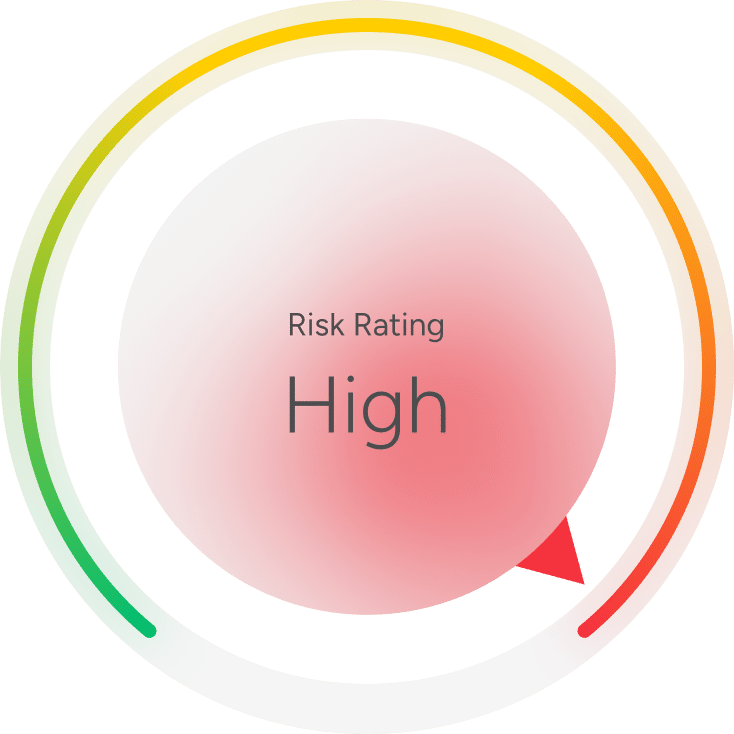
Rating Criteria
Rating Criteria Detail
Corporate Weaponization
Criteria:
Has canceled customers, suppliers, or vendors due to their political views or religious beliefs OR corporately boycotts, divests, or sanctions regions, people groups, or industries.
Risk Level:
HighRationale:
A former Unilever employee is suing the company for a firing that took place after he took time off for Rosh Hashanah (1). Although Ben & Jerry’s (separately rated Unilever brand) consistently acts distinctly from its parent company, it is notable that Unilever is named alongside the brand as a co-defendant in a lawsuit from the manufacturer of Ben & Jerry’s Ice Cream in Israel due to its regional distribution ban, which is illegal under Israeli law (2). Because of Ben & Jerry’s boycott of Israel, Unilever was found guilty of violating the anti-BDS laws of several U.S. states (3). Unilever was a member of the Global Alliance for Responsible Media, which demonetized and suppressed content that it deemed to spread “hate speech” or “misinformation”, discuss “debated social issues in a negative or partisan context”, or “vilif[y]” individuals based on sexual orientation and gender identity. These arbitrary guidelines were used to censor mainstream perspectives online (4)(5)(6). Unilever received a score of 100 on the 2026 Corporate Equality Index (CEI) from the Human Rights Campaign (HRC), a political stakeholder group. The company recruits employees based on sexual identity issues. The company discriminates against vendors that do not promote divisive sex and gender policies, indicating it prioritizes sexual issues over merit (7)(8)(9). Unilever received a score of 100 on the 2025 Corporate Equality Index (CEI) from the Human Rights Campaign (HRC), a political stakeholder group. The company recruits employees based on sexual identity issues. The company discriminates against vendors that do not promote divisive sex and gender policies, indicating it prioritizes sexual issues over merit (10)(11). The company integrates ESG into its business practices. From its Responsible Sourcing Policy: “Sustainability practices are embedded across the supplier’s operations and activities which aim to (i) reduce the generation of waste and achieve zero landfill; (ii) reduce greenhouse gas emissions and achieve carbon neutral solutions; (iii) reduce the consumption of water; (v) protect and enhance nature and biodiversity; and (vi) halt deforestation” (12). The company promotes divisive sex and gender policies. Its Responsible Sourcing Policy requires international vendors to include sexual orientation and gender identity in their nondiscrimination policy (13).
Criteria:
Charitable giving (including employee matching programs) policies or practices discriminate against charitable organizations based on views or religious beliefs.
Risk Level:
HighRationale:
Unilever’s HRC 2026 CEI rating indicates the company will not donate to non-religious charities unless they embrace controversial sexual identity policies (1)(2)(3). Unilever’s HRC 2025 CEI rating indicates the company will not donate to non-religious charities unless they embrace controversial sexual identity policies (4)(5). However, the company does not appear to discriminate against charitable organizations based on views or beliefs (6)(7).
Criteria:
Employment policies fail to protect against viewpoint or other discrimination and/or are ideological in nature.
Risk Level:
HighRationale:
Unilever’s HRC 2026 CEI rating indicates the company forces employees to attend at least one, controversial training on gender identity, sexual orientation, transgender issues, and divisive racial ideology. The company provides gender transition guidelines for its employees and a specific benefits guide with a comprehensive explanation of transgender services funded by the company (1)(2)(3). Unilever’s HRC 2025 CEI rating indicates the company forces employees to attend multiple, controversial trainings on gender identity, sexual orientation, transgender issues, and divisive racial ideology. The company provides gender transition guidelines for its employees and a specific benefits guide with a comprehensive explanation of transgender services funded by the company (4)(5). Unilever’s former CEO, Alan Jope, signed Catalyst’s Champions for Change pledge, indicating its support of DEI in its leadership composition through the establishment of gender and racial targets (6)(7). In May 2023 America First Legal filed a letter with the EEOC requesting a civil rights investigation into Unilever over discriminatory practices in hiring (8)(9). However, the company protects its employees against viewpoint discrimination (10).
Corporate Governance and Public Policy
Criteria:
Uses corporate reputation to support causes, organizations, or policies hostile to freedom of expression.
Risk Level:
HighRationale:
Unilever’s HRC 2026 CEI rating indicates the company potentially agrees to allow a controversial stakeholder group focused on sexual identity issues to dictate marketing or advertising strategy. By doing so, the company risks dividing employees, alienating customers and harming shareholders (1)(2)(3). Unilever’s HRC 2025 CEI rating indicates the company agrees to allow a controversial stakeholder group focused on sexual identity issues to dictate marketing or advertising strategy. By doing so, the company risks dividing employees, alienating customers and harming shareholders (4)(5). Unilever signed an open letter endorsing the Equality Act, a contentious proposal to amend the 1964 Civil Rights Act by adding sexual orientation and so-called gender identity as protected categories. The legislation would, among other implications, grant biological men access to women-only spaces such as sports teams and public restrooms, and compel healthcare providers to deliver sex-denying healthcare (6). Unilever signed an open letter denouncing legislation deemed “Anti-LGBTQ” by the HRC, such as laws that protect girls’ sports and ban discussions on gender identity in public elementary schools (7). The company has also taken public stances on legislation impacting voting methods, denouncing specific bills state-by-state and advocating for expanding mail-in voting (8)(9)(10)(11). Unilever also publicly opposed Georgia’s Religious Freedom Restoration Act (religious freedom) in 2016 (12). Unilever CEO Alan Jope committed to its agenda, saying “anti-woke backlash is incredibly dangerous for the world” and vowed that Unilever “will not back down on this agenda” (13). The company opposed various state and local legislation intended to protect parental rights, girls’ sports, bathroom facilities, and gendered spaces (14). Unilever opposed legislation in Iowa intended to protect parental rights, girls’ sports, bathroom facilities, and gendered spaces (15). The company opposed the Florida Parental Rights in Education Act, which would prohibit teaching gender identity and sexual orientation to kids in K-3rd grade (16). Unilever is a member of the “Don’t Ban Equality” business coalition, which advocates against any abortion restrictions because they are “bad for business” (17). The company’s President, Fabian Garcia, denounced various states’ legislative efforts to protect election integrity and security (18). Dollar Shave Club General Counsel, Allison Buchner, co-signed a letter to law firms demanding an improvement in diversity in order to retain business with the company (19). Despite growing backlash over ESG, Unilever set new Scope 3 climate goals, alleging they are “in line with the company’s financial objectives” (20). Unilever’s CEO signed the CEO Action for Diversity & Inclusion pledge, which includes a commitment to promote DEI through bias education training in the workplace (21)(22). Unilever was a contributing member of GARM’s Action Guide to Reduce Media Greenhouse Gas Emissions and The Global Media Sustainability Framework which provides an action plan for media companies to transition to net zero greenhouse gas emissions (23)(24). The company scored a 100 out of 100 on the 2023-2024 Corporate Equality Index (CEI) from the Human Rights Campaign (HRC), a political stakeholder group (25)(26). Unilever pledged to invest $270 million into a new research facility (27)(28).
Criteria:
Uses corporate funds to advance ideological causes, organizations, or policies hostile to freedom of expression.
Risk Level:
HighRationale:
Unilever provides a benefits package for employees that covers travel/lodging costs for an abortion and transgender medical procedures for covered employees and dependents, including children (1)(2)(3). Unilever’s HRC 2026 CEI rating indicates the company covers transgender related costs for its employees and their children, including paid short-term leave, puberty blockers, cross-sex hormones, chest surgeries, genital surgeries, medical visits, lab monitoring, and mental health benefits. The company also covers at least five of the following services: reconstructive hair removal, cosmetic hair removal, tracheal shave or reduction, facial surgeries, voice modification surgery, voice modification therapy, lipoplasty or filling for body masculinization or feminization, and travel and lodging expenses. Additionally, the company has potentially pledged philanthropic support of at least one organization or event that promotes sex and gender ideology. By allowing a political stakeholder group to dictate operations, the company increases health care costs and risks dividing employees, alienating customers and harming shareholders (4)(5)(6)(7). Unilever’s HRC 2025 CEI rating indicates the company covers transgender related costs for its employees and their children, including paid short-term leave, puberty blockers, cross-sex hormones, chest surgeries, genital surgeries, medical visits and lab monitoring, travel and lodging. Additionally, the company has pledged philanthropic support of at least one organization or event that promotes sex and gender ideology. By allowing a political stakeholder group to dictate operations, the company increases health care costs and risks dividing employees, alienating customers and harming shareholders (8)(9). Unilever has donated to Planned Parenthood (10). The company was a member of the Global Alliance for Responsible Media (11)(12)(13). Unilever is corporate partner of the National LGBT Chamber of Commerce (14). In response to the death of George Floyd, Unilever and its brands pledged $7 million to “organizations and activists working for social justice and racial equality.” It is unclear which organizations received support from Unilever (15). Unilever (through its subsidiary, Degree) has donated to the Center for Policing Equity (CPE), a racial justice non-profit that advocates for controversial policy and policing reforms across over 150 jurisdictions. Through research, policy advocacy, and public partnerships, CPE works to fight systemic racism, dismantle white supremacy, reduce police presence in communities, and oppose anti-abortion, transgender, and LGBTQ+ laws through equity-based solutions (16)(17)(18)(19)(20)(21). Unilever’s subsidiary, Paula’s Choice Skincare, is a Bronze Sponsor of Seattle Pride (22). Unilever is a Member of Out Leadership, a global network of LGBT+ business leaders from major companies that seeks to advance LGBTQ+ representation in corporate leadership and integrate LGBTQ+ priorities into workplace strategies. The first LGBTQ+ B-Corporation, Out Leadership accomplishes this through convening leadership summits, directing talent initiatives, and providing advisory solutions that emphasize the positive impact of LGBT+ inclusion for business (23)(24)(25)(26). Otherwise, there are no publicly known cases of the company using corporate funds to advance ideological causes, organizations, or policies (27).
Criteria:
Uses corporate political actions and/or financial contributions for ideological, non-business purposes.
Risk Level:
HighRationale:
Unilever‘s HRC 2025 CEI rating indicates the company publicly advocated for controversial sex and gender ideology through local, state or federal legislation or initiatives. By allowing a political stakeholder group to dictate operations, the company risks dividing employees, alienating customers and harming shareholders (1)(2). The company does not operate a PAC at this time (3)(4). In 2020, the company lobbied for George Floyd Justice in Policing Act of 2020 (5). In 2021, the company lobbied for George Floyd Justice in Policing Act of 2021 (6). In 2021, 2022, the company lobbied for Equality Act (7)(8).
Related Companies
Household and Personal Products

Procter & Gamble

Household and Personal Products
Northwestern Mutual

Capital Goods, Household and Personal Products

3M
Household and Personal Products
Kimberly-Clark
Household and Personal Products
Colgate-Palmolive
Household and Personal Products
Stanley Black & Decker
Household and Personal Products
Estee Lauder
Household and Personal Products
Harry’s
Household and Personal Products
L’Oreal
Household and Personal Products
Sephora