Mary L. Schapiro
Mary L. Schapiro
Mary L. Schapiro joined Morgan Stanley’s Board of Directors in July 2018. She has also served on the CVS Health Board of Directors since May 2017. Ms. Schapiro has been Vice Chair for Global Public Policy, Special Advisor to the Founder, and Chair of Bloomberg L.P. since October 2018 and she has been the Vice Chair of Promontory Advisory Board since January 2014. Prior to this she was the Managing Director of Promontory Financial Group from March 2013 to January 2014. Previously she was Chairman of the U.S. Securities and Exchange Commission (SEC) from January 2009 to December 2012. Before serving on the SEC Ms. Schapiro was Chairman and CEO of the Financial Industry Regulatory Authority (FINRA) from 2006 to 2008 and held a number of executive positions at FINRA from 1996 to 2006. She was Chairman of the Commodity Futures Trading Commission (CFTC) from 1994 to 1996 and was Commissioner of the SEC from December 1988 to October 1994. She previously served on the boards of IntraFi, Financial Industry Regulatory Authority, London Stock Exchange Group, General Electric Co., Kraft Foods and Duke Energy. Ms. Schapiro currently serves on the boards of Glasgow Financial Alliance for Net Zero, Working Group on U.S. RMB Trading and Clearing, Center for Audit Quality, The Value Reporting Foundation, Humane Rescue Alliance, and Franklin and Marshall College; she is an advisor for the China Securities Regulatory Commission and the Hong Kong Stock Exchange.
Corporate Affiliation
Company Risk Score
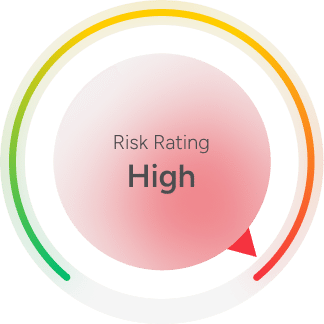
CVS HEALTH IS HIGH RISK.
