New Jersey
117 Companies Headquartered in New Jersey
ADC Therapeutics SA, ADMA Biologics, Inc., Advansix, Alexander’s, Inc., Alfasigma, Altimetrik, Alvogen, American Water Works Company, Amneal Pharmaceuticals, Inc., Anchor Capital Advisors
New Jersey Average CBR Summary
Avg. Company Rating
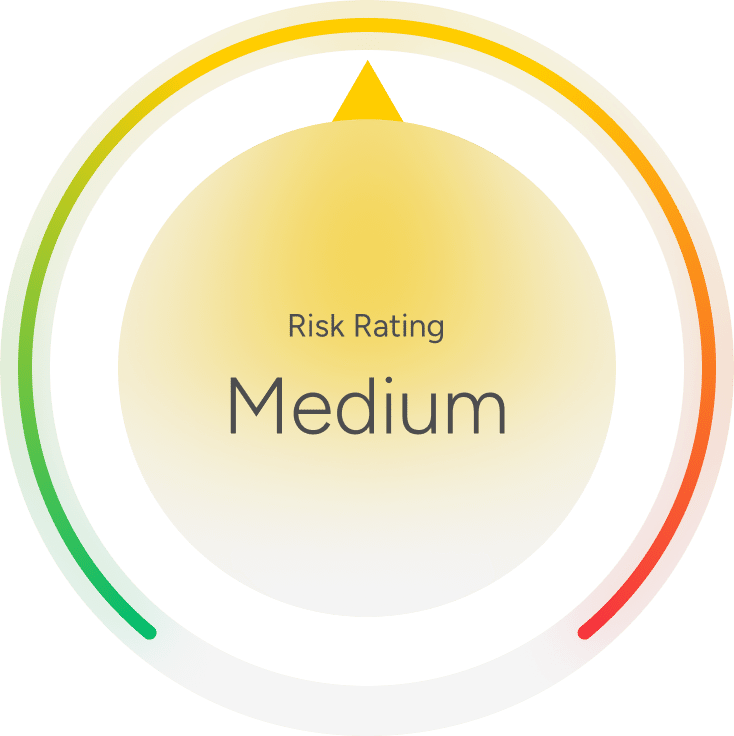
Avg. Rating Criteria
| Criteria | Risk Level |
|---|---|
| Cancellations | Medium Risk |
| Discriminatory Philanthropy | Medium Risk |
| Employment Protection | High Risk |
Corporate Weaponization
| Criteria | Risk Level |
|---|---|
| Advocacy Bias | Medium Risk |
| Funding | Medium Risk |
| Political Actions | Medium Risk |
Corporate Governance and Public Policy
State Leadership
State Pension Fund Summary
New Jersey has four main public pension systems: the Public Employees’ Retirement System, the Teachers’ Pension and Annuity Fund (TPAF), the Police and Firemen’s Retirement System (PFRS), and the State Police Retirement System (SPRS). The New Jersey State Investment Council (NJ SIC) is responsible for managing the assets of these systems.
- The NJ SIC is comprised of 16 members: 13 members are appointed by the Governor (8 with the advice and consent of the State Senate, 1 from nominees submitted jointly by the President of the Senate and Speaker of the Assembly, 2 from nominees submitted by various employee organizations, 2 from nominees submitted by the New Jersey State AFL-CIO, 1 from nominees submitted by the New Jersey Education Association (NJEA), and 1 from nominees submitted by the State Troopers Fraternal Association); 2 members representing the Public Employees’ Retirement System (PERS) and the Teachers’ Pension and Annuity Fund (TPAF) are designated from members of the respective pension system’s board of trustees; 1 member is designated by the Chief Justice of the New Jersey Supreme Court from members of the Retired Judges Association of New Jersey.
- The NJ SIC discloses its proxy voting records on this website.
- According to a 2026 presentation, NJ SIC’s general investment consultant is RVK.
The “By Asset Manager” and “Asset Manager Voting” tables show the proxy voting records of the state’s asset managers who manage the pensions’ stock market portfolio through index, exchange-traded, or mutual funds. Since these are externally managed funds, the asset managers typically retain and exercise proxy voting privileges. This data is used to calculate the state’s pro-ESG and anti-ESG scores to see how the state leverages its externally managed funds in proxy voting.
The “State Voting” table shows NJ SIC’s proxy voting records for directly owned securities through pension fund portfolios. The 1792 Exchange commends the NJ SIC for publicly disclosing this information online for its pensioners.
Both tables are important to show a comprehensive picture of the state’s proxy voting record.