California
605 Companies Headquartered in California
101domain, 10x Genomics, Inc., 23andMe, 360 Behavioral Health, 4D Molecular Therapeutics, Inc., 5.11 Tactical, A-Mark Precious Metals, ABC-CLIO, Acadia Pharmaceuticals, ACM Funds
California Average CBR Summary
Avg. Company Rating
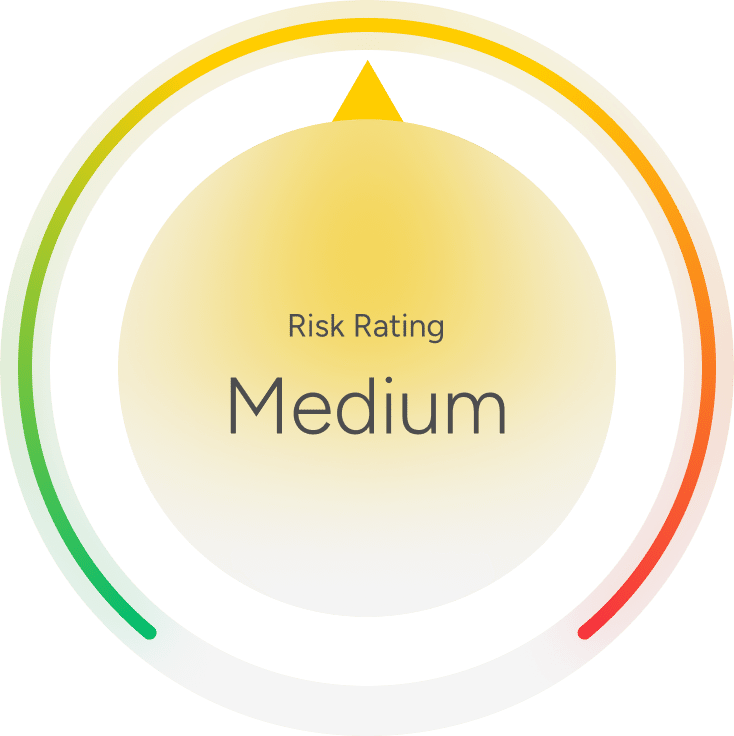
Avg. Rating Criteria
| Criteria | Risk Level |
|---|---|
| Cancellations | Medium Risk |
| Discriminatory Philanthropy | Medium Risk |
| Employment Protection | Medium Risk |
Corporate Weaponization
| Criteria | Risk Level |
|---|---|
| Advocacy Bias | Medium Risk |
| Funding | Medium Risk |
| Political Actions | Medium Risk |
Corporate Governance and Public Policy
State Leadership
State Pension Fund Summary
California has two main public pension systems: the California Public Employees’ Retirement System (CalPERS) and the California State Teachers’ Retirement System (CalSTRS).
- The CalPERS board represents state, school, and public agency employees, as well as some judges and legislators, and consists of 13 members: 4 Ex Officio (State Controller, State Treasurer, State Department of Human Resources, State Personnel Board); 2 appointed by the Governor; 1 appointed jointly by the Senate Rules Committee and Speaker of the Assembly; 6 elected by public pensioners.
- CalPERS discloses its specific proxy voting records on this website.
- According to a 2024 document, CalPERS’s investment consultant is Wilshire Associates.
- The CalSTRS board represents public school teachers and consists of 12 members: 3 member-elected positions representing current educators; 1 retired CalSTRS member appointed by the Governor and confirmed by the Senate; 3 public representatives appointed by the Governor and confirmed by the Senate; 1 school board representative appointed by the Governor and confirmed by the Senate, 4 Ex Officio board members (Director of Finance, State Controller, State Superintendent of Public Instruction, State Treasurer).
- CalSTRS discloses its specific proxy voting records on this website.
- According to a 2024 document, CalSTRS’s investment consultant is Meketa.
CalPERS and CalSTRS use Glass Lewis for their proxy advisory services.
The “By Asset Manager” and “Asset Manager Voting” tables show the proxy voting records of the state’s asset managers who manage the pensions’ stock market portfolio through index, exchange-traded, or mutual funds. Since these are externally managed funds, the asset managers typically retain and exercise proxy voting privileges. This data is used to calculate the state’s pro-ESG and anti-ESG scores to see how the state leverages its externally managed funds in proxy voting.
The “State Voting” table shows the state’s proxy voting records for directly owned securities through pension fund portfolios. The 1792 Exchange commends California for publicly disclosing this information online for its pensioners.
Both tables are important to show a comprehensive picture of the state’s proxy voting record.