
Elastic
The biggest 3000 companies in the U.S. in the year of 2025.
Rating Overview
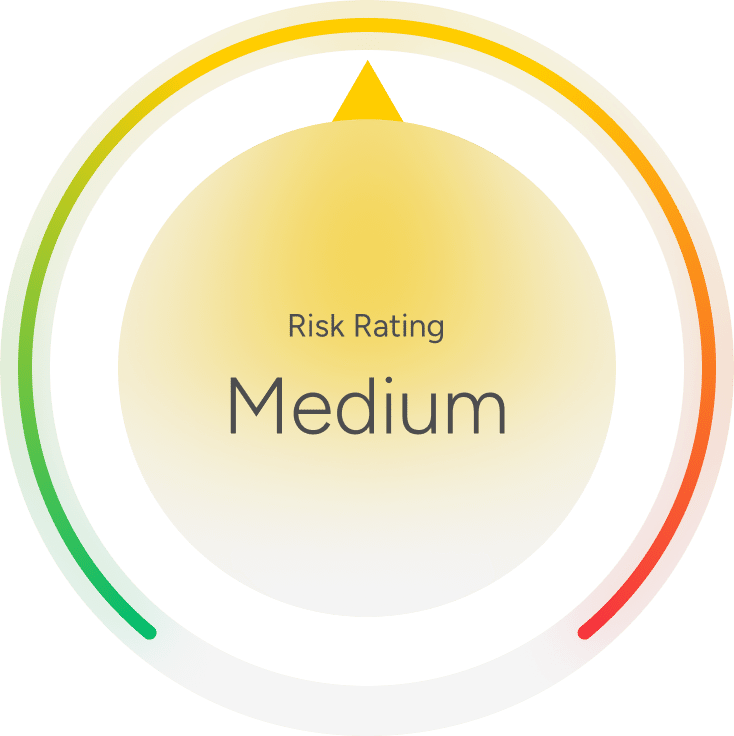
Rating Criteria
Rating Criteria Detail
Corporate Weaponization
Criteria:
Has canceled customers, suppliers, or vendors due to their political views or religious beliefs OR corporately boycotts, divests, or sanctions regions, people groups, or industries.
Risk Level:
MediumRationale:
Elastic integrates ESG into its business practices. From its 2023 Sustainability Report: Elastic has a “commitment to incorporating ESG principles across our business and advancing sustainable solutions” (1). The company integrates ESG into its business practices. From its FY25 Sustainability Report: “Long-term targets (by FY50, from an FY24 base year):
• Reduce absolute Scope 1, 2, and
3 GHG emissions by 90%
• Reach net-zero GHG emissions across the value chain” (2). Elastic promotes divisive sex and gender policies. Its Global Third Party Code of Conduct requires international vendors to include sexual orientation and gender identity in their nondiscrimination policy (3). However, the company has not canceled customers, suppliers, or vendors based on political views or religious beliefs (4).
Criteria:
Charitable giving (including employee matching programs) policies or practices discriminate against charitable organizations based on views or religious beliefs.
Risk Level:
MediumCriteria:
Employment policies fail to protect against viewpoint or other discrimination and/or are ideological in nature.
Risk Level:
HighRationale:
Elastic requires its employees to take DEI training (1). The company offers unconscious bias training to its employees (2). Elastic appears to prioritize diversity over merit in its hiring. From its 2021 ESG Overview: “Elastic established companywide goals to improve hiring
rates for women, non-binary, and
underrepresented groups” (3). The company appears to prioritize diversity over merit in its business structure through the establishment of gender and racial targets for its recruitment, hiring, and leadership composition. The company is seeking a “2% Workforce Diversity Goal, which establishes an aspirational goal to increase global company representation on the basis of gender and US racial/ethnic diversity by two percentage points” (4). Elastic operates a supplier diversity program. “Supplier Diversity: Support inclusive sourcing practices and foster economic development” (5). The company is an affirmative action employer. “Maintaining a functional affirmative action program that
analyzes and reports US EEO-1 data by our five key business
functions better promotes awareness and understanding of
the expectations for good-faith efforts, and business leader
ownership and accountability for outcomes” (6). Elastic does not provide viewpoint protections for its employees (7)(8).
Corporate Governance and Public Policy
Criteria:
Uses corporate reputation to support causes, organizations, or policies hostile to freedom of expression.
Risk Level:
HighRationale:
Elastic signed an open letter endorsing the Equality Act, a contentious proposal to amend the 1964 Civil Rights Act by adding sexual orientation and so-called gender identity as protected categories. The legislation would, among other implications, grant biological men access to women-only spaces such as sports teams and public restrooms, and compel healthcare providers to deliver sex-denying healthcare (1). The company is committed to net zero emissions by 2050 (2). Elastic supports DEI within its business practices. From its 2023 Sustainability Report: “we continuously endeavor to integrate DEI into the day to day at Elastic” (3). The company supports ESG within its business practices. From its FY25 Sustainability Report: “At the board of directors level, our nominating and
corporate governance committee oversees our
sustainability and ESG activities, programs, and disclosures
— a responsibility outlined in the committee’s charter.
Sustainability and ESG-related updates are discussed at
every committee meeting” (4). Elastic has used its blog to publish articles spotlighting the BLM movement (5).
Criteria:
Uses corporate funds to advance ideological causes, organizations, or policies hostile to freedom of expression.
Risk Level:
MediumRelated Companies

Cloud & Data Storage, Retailing, Software and Services

Amazon

Media and Entertainment, Software and Services, Web Browsers
Microsoft

Cloud & Data Storage, Media and Entertainment, Software and Services, Web Browsers
Alphabet

Cloud & Data Storage, Software and Services, Technology Hardware and Equipment

IBM
Cloud & Data Storage, Software and Services
Oracle
CRM & Project Management, Software and Services
Asana

Accounting Payroll & HR Services, Diversified Financials, Software and Services
Intuit

Software and Services
Adobe
Accounting Payroll & HR Services, CRM & Project Management, Software and Services
SAP

Software and Services
DXC Technology