
The Johns Hopkins University
Rating Overview
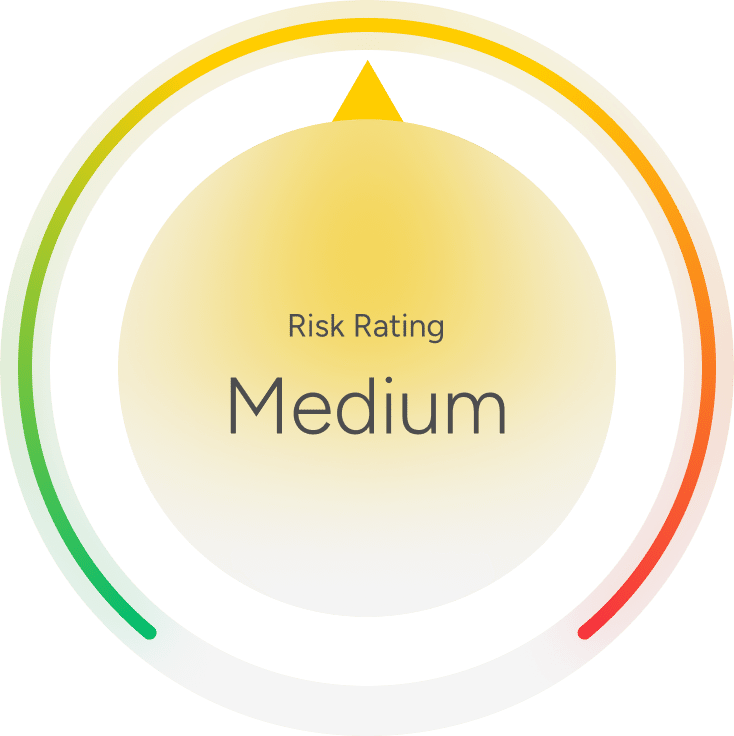
Rating Criteria
Rating Criteria Detail
Corporate Weaponization
Criteria:
Has canceled customers, suppliers, or vendors due to their political views or religious beliefs OR corporately boycotts, divests, or sanctions regions, people groups, or industries.
Risk Level:
LowerRationale:
Johns Hopkins University has not publicly canceled customers, suppliers, or vendors based on political views or religious beliefs (1).
Criteria:
Charitable giving (including employee matching programs) policies or practices discriminate against charitable organizations based on views or religious beliefs.
Risk Level:
LowerRationale:
Johns Hopkins University does not discriminate against charitable organizations based on views or beliefs (1).
Criteria:
Employment policies fail to protect against viewpoint or other discrimination and/or are ideological in nature.
Risk Level:
HighRationale:
Johns Hopkins University requires its managers to take implicit bias and anti-racism training (1). The university appears to prioritize diversity over merit in its recruitment. From its Second JHU Roadmap on Diversity, Equity, and Inclusion: The university has “a strong focus on recruitment in order to diversify our faculty and student body, but many felt the university also needed to do more to ensure equity across our diverse populations” (2). The university appears to prioritize diversity over merit in its leadership composition. From its Second JHU Roadmap on Diversity, Equity, and Inclusion: The university “aim[s] to continue increases in diverse representation at the managerial and executive/administrative levels for the next five years by recruiting URG applicants” (3). The university does not provide viewpoint protections for its employees (4)(5)(6).
Corporate Governance and Public Policy
Criteria:
Uses corporate reputation to support causes, organizations, or policies hostile to freedom of expression.
Risk Level:
HighRationale:
Johns Hopkins University supports DEI within its business practices, employing a DEI Officer and hosting a Diversity Leadership Council (1). The university supports DEI within its business practices. From its Second JHU Roadmap on Diversity, Equity, and Inclusion: “We believe, fundamentally, that every person has equal dignity and worth, and our unwavering commitment to diversity, equity, and inclusion is rooted in this predicate principle” (2). The university hosts a Gender and Sexuality Resources department as a part of their Center for Diversity and Inclusion (3). The university connects students to “gender-affirming care and community” (4)(5).
Criteria:
Uses corporate funds to advance ideological causes, organizations, or policies hostile to freedom of expression.
Risk Level:
HighRationale:
In 2022, Johns Hopkins University updated its health insurance plans to cover “an expanded range of gender-affirming care for all users of these plans”. The plans include gender-affirming surgeries, hormone therapy, voice therapy, and facial reconstructive procedures (1). In 2018, the university donated $1,952,384 to Engender Health (2). John Hopkins Medicine sponsored WorldPride 2025 (3). Otherwise, there are no publicly known cases of the university using corporate funds to advance ideological causes, organizations, or policies (4).
Related Companies
Educational Resources, Media and Entertainment

McGraw Hill Education

Educational Resources, Media and Entertainment
Pearson

Educational Resources
Macmillan Learning

Commercial and Professional Services, Educational Resources, Media and Entertainment
Wiley Publishers (John Wiley & Sons, Inc.)

Educational Resources

Bright Horizons

Educational Resources

Blackboard
Educational Resources
Perusall

Educational Resources
Stride Learning

Educational Resources
Goodheart-Willcox

Educational Resources
Schofield & Sims