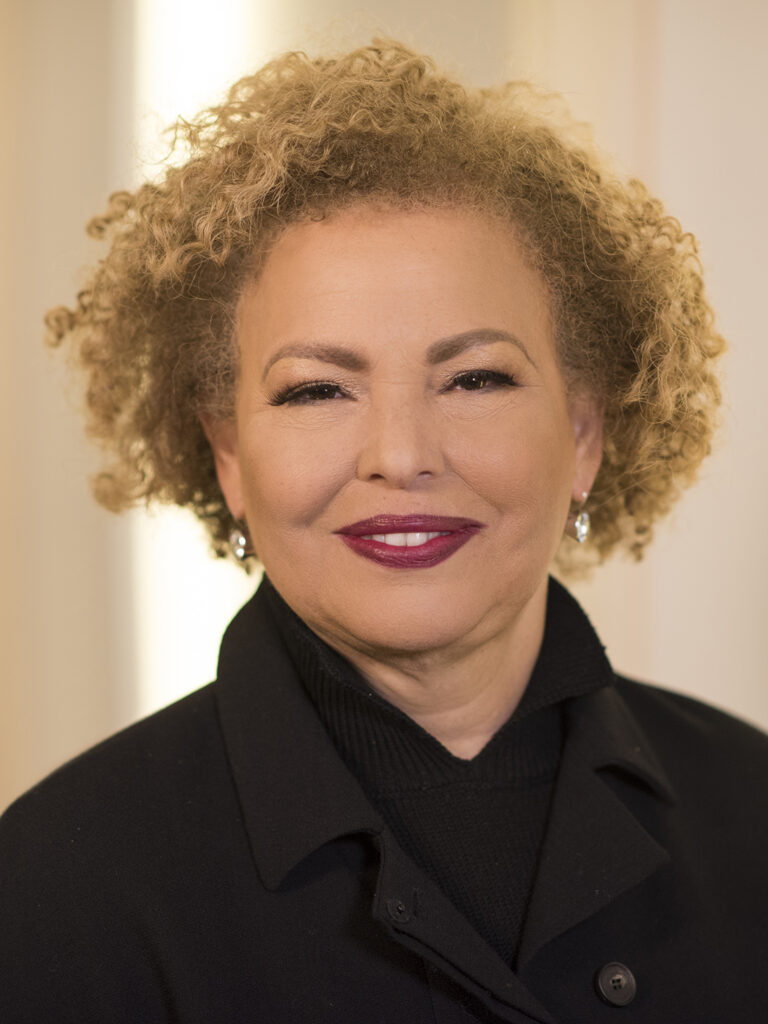
Debra L. Lee

Debra L. Lee

Board Member at Marriott International
Company Tenure: 20 years
Education:
Brown University (B.A.) Harvard University (M.A.) Harvard University (J.D.)
Biography:

Debra L. Lee serves as a Board Member for Marriott International, headquartered in Bethesda, MD. Lee has worked for Marriott for 20 years. In addition to her role at Marriott International, she holds positions as a Board Member for Procter & Gamble and Warner Bros. Discovery. Debra L. Lee’s educational background includes a B.A. from Brown University, an M.A. from Harvard University, and a J.D. from Harvard University.

Key Statements

"So I wouldn't serve on a board now that didn't have my values and didn't have my commitment to diversity."

"And now, sometimes people think, oh, diversity, let's count how many diverse executives we have or how many people work at the company. That's an important part of it. But there are other metrics that are important also."

"Are there any women in this room? Are there any people of color in this room? Any LGBTQ? I mean, that's another call we've been getting more recently for board members. And when I first heard it, I was like, wow, I've never heard anyone say, we want someone that's LGBTQ."

"Then we have Nasdaq saying they wouldn't take a company public if it didn't have diversity on the board. And same with Goldman and BlackRock. So this is becoming a big issue, and it should be, because so much of the power of corporate America resides with the boards, and we need to change that."

"Right, well, the metrics vary depending on the line of business that the company is in. And you want the diversity goals and metrics to align with the business. So it's not just about employees and executives. Sometimes people think, oh diversity, let's count how diverse executives we have or how many people work at the company. That's an important part of it. But there are other metrics that are important also. One company I'm on is Marriott, and they're in the hotel ownership business, and they've been committed to diversity for a long time. In fact, I head their diversity committee, and I've been on the board almost 20 years. So I'm proud to say I've seen the progress of the company in this area. So not only do they look at the number of executives and employees, they look at the hiring rates, the retention rates. That's where the inclusion part comes from, because you can't just hire people and throw them in and they don't feel like they belong or they don't have chances of promotion. So inclusion is very important. And then if people leave, you really want to keep an eye on why they're leaving and make sure it's not because they don't feel included. The second thing they look at is the amount of money spent with diverse companies and that's traditionally been called supplier diversity. It's called other things now at companies, but how much money do you spend with companies that are your suppliers?"

"And I would add to that looking at the culture of the company and making sure all people feel comfortable in the culture. And we all know that's changing so much with changes in the LGBTQ community and differences in race and gender, and that's where a lot of the employee groups come in. You know, I sat on some boards where companies say, well, we shouldn't be dividing people up along race and gender lines. On the other hand, it provides a nice atmosphere for those diverse leaders to talk about issues they have or to be mentors to other people coming behind them. So I think employee resource groups are very important. And you may have heard this line before, I've heard it a couple of times, but there's the saying that diversity is being asked to the dance and inclusion is being asked to dance. Not only are you in the room, but you're a participant and treated as an equal and made to feel comfortable."

"But the CEO has to be intentional and say, I want a diverse board. I'm going to do this by this date. I'm going to work with the right kind of search firm. We hope they come to Monarchs Collective, because that's our specialty. But you have to make those tough decisions and make sure that if someone leaves, you're not slipping, and that you're thinking about all kinds of diversity racial, gender, sexual orientation, all of these are important in our world today."

"ESG has become very important in the boardroom in terms of the company taking stands on environmental issues and social issues. And I think it's just a new day for companies. And if we don't feel like you're getting the response you need from the government, companies are the next place to look. And I think when you see what the Business Roundtable is doing on police brutality and racial inequalities, you see companies taking stands."