Colorado
104 Companies Headquartered in Colorado
Advanced Energy Industries, Inc., Aimco, Alchemer, Alliance for Energy Innovation, Antero Resources, Apartment Income Reit, L.P. (AIR Communities), Arcadis U.S., Arrow Electronics, Aspen Snowmass, Ball Corporation
Colorado Average CBR Summary
Avg. Company Rating
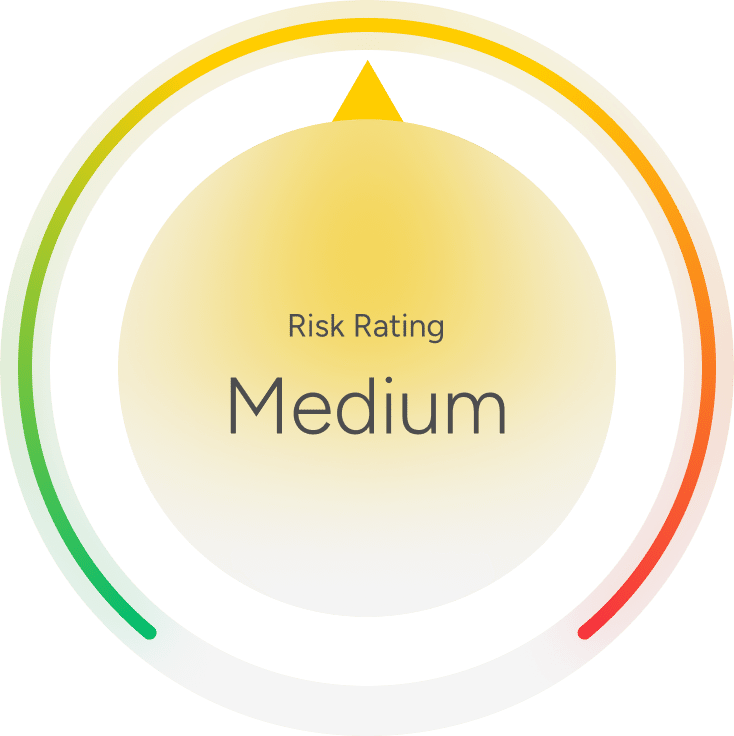
Avg. Rating Criteria
| Criteria | Risk Level |
|---|---|
| Cancellations | Medium Risk |
| Discriminatory Philanthropy | Medium Risk |
| Employment Protection | Medium Risk |
Corporate Weaponization
| Criteria | Risk Level |
|---|---|
| Advocacy Bias | Medium Risk |
| Funding | Medium Risk |
| Political Actions | Medium Risk |
Corporate Governance and Public Policy
State Leadership
State Pension Fund Summary
Colorado has two main public pension systems: the Public Employees’ Retirement Association (PERA) and the Fire and Police Pension Association (FPPA).
- The PERA board represents all eligible state employees; the board consists of 16 members: 1 Ex Officio (State Treasurer); 3 appointed by the Governor; 4 appointed by the School Division employees; 3 appointed by the State Division employees; 1 appointed by the Local Government Division employees; 1 appointed by the Judicial Division; 2 appointed by PERA retirees; 1 non-voting member appointed by the DPS Division retirees and employees.
- PERA discloses its specific proxy voting records on this website.
- PERA uses Glass Lewis for its proxy advisory services.
- According to its website, PERA’s investment consultant is Aon.
- The FPPA board represents Colorado firefighters, police officers, and other first responders and consists of 9 members: all 9 members are appointed by the Governor and confirmed by the Senate.
- According to a 2024 Annual Comprehensive Financial Report, the FPPA’s investment consultants are Cambridge Associates and Mariner.
- The FPPA also lists “Principles for Responsible Investment” as a general investment consultant. However, “Principles for Responsible Investment” is not a registered investment consultant and likely refers to the UN initiative.
- According to a 2024 Annual Comprehensive Financial Report, the FPPA’s investment consultants are Cambridge Associates and Mariner.
The State Treasurer is solely responsible for overseeing Colorado’s Tobacco Settlement Trust Fund.
The “By Asset Manager” and “Asset Manager Voting” tables show the proxy voting records of the state’s asset managers who manage the pensions’ stock market portfolio through index, exchange-traded, or mutual funds. Since these are externally managed funds, the asset managers typically retain and exercise proxy voting privileges. This data is used to calculate the state’s pro-ESG and anti-ESG scores to see how the state leverages its externally managed funds in proxy voting.
The “State Voting” table shows the state’s proxy voting records for directly owned securities through PERA’s pension fund portfolios. The 1792 Exchange commends PERA for publicly disclosing this information online for its pensioners.
Both tables are important to show a comprehensive picture of the state’s proxy voting record.