Cleco Corporate Holdings
Companies that likely use Benevity to vet charitable recipients, thereby discriminating against mainstream advocacy organizations through the SPLC's overly broad "Hate List."

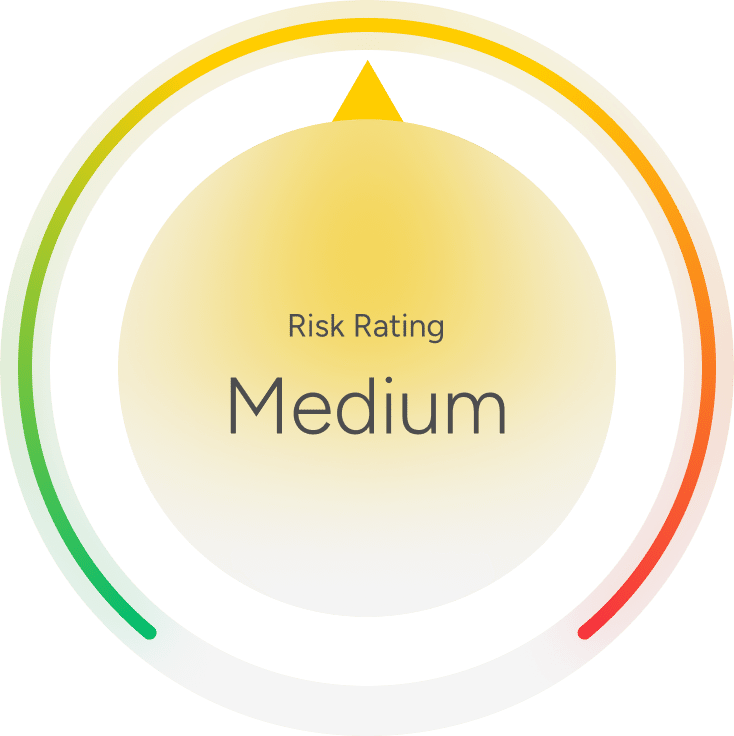
Rating Overview
Rating Criteria
Rating Criteria Detail
Corporate Weaponization
Criteria:
Has canceled customers, suppliers, or vendors due to their political views or religious beliefs OR corporately boycotts, divests, or sanctions regions, people groups, or industries.
Risk Level:
MediumRationale:
Cleco promotes divisive sex and gender policies. Its Business Partner Code of Conduct requires international vendors to include sexual orientation and gender identity in their nondiscrimination policy (1). However, the company has not publicly canceled customers, suppliers, or vendors based on political views or religious beliefs (2).
Criteria:
Charitable giving (including employee matching programs) policies or practices discriminate against charitable organizations based on views or religious beliefs.
Risk Level:
MediumRationale:
Cleco likely uses Benevity as its charitable giving platform. Benevity recommends vetting charities according to the Southern Poverty Law Center’s Hate List, which includes mainstream libertarian, conservative, family, and religious advocacy organizations (1)(2)(3)(4). The company’s charitable giving focus areas are: “STEM programming, education, youth programming, health and wellness, low income, diversity and causes that our employees support.” (5).
Criteria:
Employment policies fail to protect against viewpoint or other discrimination and/or are ideological in nature.
Risk Level:
HighRationale:
Cleco appears to prioritize diversity over merit in its leadership composition. From its Governance and Public Affairs Committee Charter: “Consider the following elements of experience and expertise to ensure that each Board, taken as a whole, possesses the characteristics necessary to foster high standards of corporate governance: Diversity: Ethnic, gender, professional, geographic and philosophical diversity within the overall composition of the Boards” (1). The company does not provide viewpoint protections for its employees (2).
Corporate Governance and Public Policy
Criteria:
Uses corporate reputation to support causes, organizations, or policies hostile to freedom of expression.
Risk Level:
HighRationale:
Cleco’s CEO, William G. Fontenot, signed the CEO Action for Diversity & Inclusion pledge, which includes a commitment to promote DEI through bias education training in the workplace, strategize on DEI programs/initiatives with other signatories, and engage boards of directors when developing and evaluating DEI strategies (1)(2). The company is aspiring to achieve net zero emissions by 2050 (3). Cleco supports DEI within its business practices, employing a DEI Officer (4). The company supports ESG within its business practices. From its 2024 Corporate Sustainability Report: “We’re upholding the highest standards of governance through financial stewardship and ethical leadership with oversight from our ESG Steering Committee, Governance Committee and Board of Directors” (5). Cleco has a history of divisive corporate policies and practices. However, in 2025, the company removed its Diversity Officer from its leadership team. To date, the company has not publicly addressed this change, leaving shareholders without clarity regarding the company’s reasoning or future direction (6). The company was awarded the Procter & Gamble Diversity and Inclusion Award in 2020 (7).
Criteria:
Uses corporate funds to advance ideological causes, organizations, or policies hostile to freedom of expression.
Risk Level:
LowerRationale:
Cleco has not used corporate funds to advance ideological causes, organizations, or policies (1).
Related Companies

Utilities

Edison International
Utilities

Quanta Services
Utilities
Sempra
Utilities
Westinghouse

Utilities
Public Service Enterprise Group (PSEG)
Utilities
Entergy
Capital Goods, Utilities
Daikin

Technology Hardware and Equipment, Transportation, Utilities
Veolia
Technology Hardware and Equipment, Utilities
Legrand
Energy, Utilities
Engie Impact