Halliburton
Companies that likely use Benevity to vet charitable recipients, thereby discriminating against mainstream advocacy organizations through the SPLC's overly broad "Hate List."
The biggest 1000 U.S. companies by revenue according to form 10-K.
Rating Overview
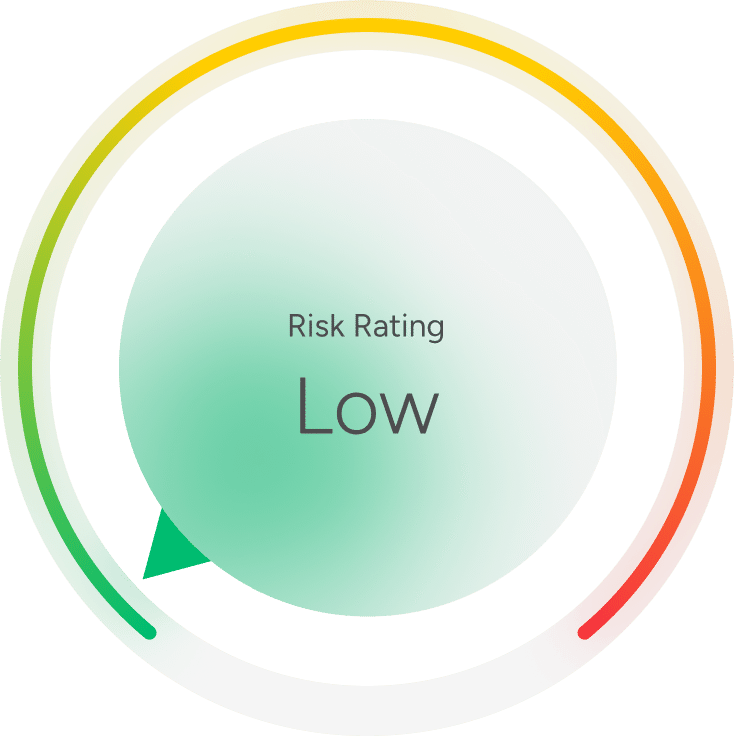
Rating Criteria
Rating Criteria Detail
Corporate Weaponization
Criteria:
Has canceled customers, suppliers, or vendors due to their political views or religious beliefs OR corporately boycotts, divests, or sanctions regions, people groups, or industries.
Risk Level:
LowerRationale:
Halliburton has not publicly canceled customers, suppliers, or vendors based on political views or religious beliefs (1).
Criteria:
Charitable giving (including employee matching programs) policies or practices discriminate against charitable organizations based on views or religious beliefs.
Risk Level:
MediumCriteria:
Employment policies fail to protect against viewpoint or other discrimination and/or are ideological in nature.
Risk Level:
HighRationale:
In 2019, Halliburton settled a case with the EEOC regarding religious discrimination against a Muslim employee, including allegedly firing the employee as retaliation (1). The company appears to prioritize diversity over merit in its leadership composition. From its Corporate Governance Guidelines page: The company’s board evaluates its CEO on “Human Capital Management of the enterprise including, without limitation, its attraction, development and retention of employees, global workforce diversity, succession of employees, and development of management talent” (2). The company does not provide viewpoint protections for its employees (3).
Corporate Governance and Public Policy
Criteria:
Uses corporate reputation to support causes, organizations, or policies hostile to freedom of expression.
Risk Level:
MediumRationale:
Halliburton supports DEI within its business practices. From its 2023 Annual & Sustainability Report: “Provide a diverse and inclusive environment that upholds our core values of collaboration and respect, and provides all employees opportunities for growth and development” (1). Otherwise, the company has not supported ideological causes or policies (2).
Criteria:
Uses corporate funds to advance ideological causes, organizations, or policies hostile to freedom of expression.
Risk Level:
LowerRationale:
Halliburton has not used corporate funds to advance ideological causes, organizations, or policies (1).
Related Companies
Energy

Chevron
Energy, Health Care Equipment and Services, Technology Hardware and Equipment
General Electric

Energy
Phillips 66

Energy
Marathon Petroleum
Energy

Valero Energy
Energy
Exelon

Energy
Energy Transfer

Energy
Enterprise Products Partners
Energy

Plains All American Pipeline, L.P.
Energy
Duke Energy