
ISS (Institutional Shareholder Services)
These companies are committed to leveraging shareholder or investor assets for net-zero emission goals and climate ambitions for GFANZ, Climate Action 100+, CERES, PCAF, UN PRI, NZLA, FIT, or HSCP.
Rating Overview
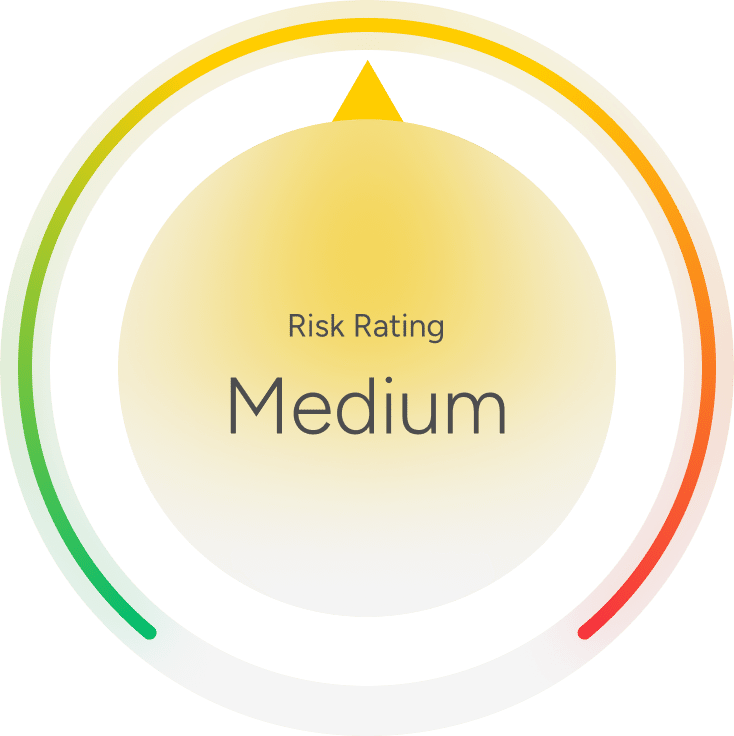
Rating Criteria
Rating Criteria Detail
Corporate Weaponization
Criteria:
Has canceled customers, suppliers, or vendors due to their political views or religious beliefs OR corporately boycotts, divests, or sanctions regions, people groups, or industries.
Risk Level:
HighRationale:
In 2023, Texas Attorney General Paxton and Utah Attorney General Sean Reyes sent a letter to ISS stating it “potentially violated both federal law and their contractual duties.” The company allegedly recommended that its shareholders vote outside their best financial interests and vote for directors based on DEI standards (1). In May 2026, Nebraska Attorney General Mike Hilgers sued the company for “illegally implement[ing] DEI policies and flout[ing] its fiduciary duty to pursue ideological ends” and “favoring ESG frameworks regardless of their clients’ financial interests” (2). In November 2025, Florida Attorney General James Uthmeier filed a lawsuit against ISS for “the same ideological violations of fiduciary duty” as Nebraska’s lawsuit alleges, as well as violating Florida’s state antitrust laws with Glass Lewis. ISS denied these claims (3). The company is also facing similar lawsuits from Iowa and West Virginia (4). In 2025, ISS sued Texas “to block a first-of-its-kind state law limiting their ability to advise shareholders on diversity, environmental and governance practices” (5). In July 2026, courts also ruled in favor of the company in suits against Kansas and Indiana, challenging their anti-ESG laws (6)(7)(8). ISS’s lawsuit over the constitutionality of a similar anti-ESG law in Kentucky is ongoing (9)(10). The company is a signatory of the Principles for Responsible Investment, incorporating ESG issues into investment analysis, decision-making, and other business practices (11)(12). ISS integrates ESG into its business practices. From its 2023 Sustainability Report: “ISS STOXX will in 2024 conduct its first ESG vendor assessment…to identify those vendors failing to meet our ESG minimum requirements” (13). The company integrates ESG into its proxy voting guidelines. From its 2025 Proxy Voting Guidelines: “Generally vote for resolutions requesting that a company disclose information on the financial, physical, or regulatory risks it faces related to climate change on its operations and investments or on how the company identifies, measures, and manages such risks” (14). ISS promotes divisive sex and gender policies. Its Vendor Sustainability Policy requires international vendors to include sexual orientation and gender identity in their nondiscrimination policy (15). However, in 2025, the company joined ADL and JLens (an affiliate of ADL) to recommend its investors vote against “[anti-Israeli] shareholder proposals” (16).
Criteria:
Charitable giving (including employee matching programs) policies or practices discriminate against charitable organizations based on views or religious beliefs.
Risk Level:
LowerRationale:
ISS does not appear to discriminate against charitable organizations based on views or beliefs (1).
Criteria:
Employment policies fail to protect against viewpoint or other discrimination and/or are ideological in nature.
Risk Level:
HighRationale:
ISS requires its employees to take unconscious bias training (1).
The company has a history of requiring unconcious bias training. However, in 2024, the company removed unconcious bias training from its sustainability report. To date, the company has not publicly addressed this change, leaving shareholders without clarity regarding the company’s reasoning or future direction (2). ISS appears to prioritize diversity over merit in its recruitment, hiring, and leadership composition. From its 2023 Sustainability Report: “Key developments included:…Requiring a diverse hiring panel with minorities, women, and other underrepresented groups as part of the team. Actively reaching out to underrepresented communities and establishing relationships with diversity organizations as hiring partners. Setting hiring goals within specific groups and a commitment to bring diversity to all levels of our organization, including our board” (3). ISS does not provide viewpoint protections for its employees (4).
Corporate Governance and Public Policy
Criteria:
Uses corporate reputation to support causes, organizations, or policies hostile to freedom of expression.
Risk Level:
HighRationale:
ISS supports DEI and ESG within its business practices. From its 2023 Sustainability Report: “…fostering, cultivating, and preserving a culture of diversity and inclusion is not just a goal — it is an essential part of our core values” (1). From its 2025 Proxy Voting Guidelines: “Generally vote against or withhold from the chair of the nominating committee…at companies where there are no women on the company’s board. An exception will be made if…the board makes a firm commitment to return to a gender-diverse status within a year” (2). From its 2025 Proxy Voting Guidelines: “…generally vote against or withhold from the incumbent chair of the responsible committee…in cases where ISS determines that the company is not taking the minimum steps needed to understand, assess, and mitigate risks related to climate change to the company… Minimum steps to understand and mitigate those risks are considered to be the following…: Appropriate GHG emissions reduction targets. At this time, “appropriate GHG emissions reductions targets” will be medium-term GHG reduction targets or Net Zero-by-2050 GHG reduction targets for a company’s operations (Scope 1) and electricity use (Scope 2)” (3). The company had a history of considering diversity factors in U.S. director election assessments. However, in February 2025, the company pledged to “no longer consider the gender and racial and/or ethnic diversity of a company’s board when making vote recommendations with respect to the election or re-election of directors at U.S. companies under its Benchmark and Specialty policies” for shareholder meeting reports published on or after February 25th (4). The company supports ESG proxy voting within its business practices. From its 2025 Proxy Voting Guidelines: Voters should “Vote case-by-case on proposals seeking a report or additional disclosure on the company’s approach, policies, and practices on incorporating environmental and social criteria into its executive compensation strategy” (5).
Criteria:
Uses corporate funds to advance ideological causes, organizations, or policies hostile to freedom of expression.
Risk Level:
LowerRationale:
ISS has not used corporate funds to advance ideological causes, organizations, or policies (1).
Related Companies

Commercial and Professional Services

KBR

Commercial and Professional Services
Accenture

Commercial and Professional Services

Booz Allen Hamilton
Commercial and Professional Services
Deloitte Touche Tohmatsu Limited (DTTL)

Commercial and Professional Services
Leidos

Commercial and Professional Services
Ernst & Young (EY)

Commercial and Professional Services
ManpowerGroup

Accounting Payroll & HR Services, Commercial and Professional Services

Insperity

Commercial and Professional Services
CapinCrouse

Commercial and Professional Services
Jacobs Solutions