Mitsubishi Heavy Industries (MHI)
These companies are committed to leveraging shareholder or investor assets for net-zero emission goals and climate ambitions for GFANZ, Climate Action 100+, CERES, PCAF, UN PRI, NZLA, FIT, or HSCP.
Rating Overview
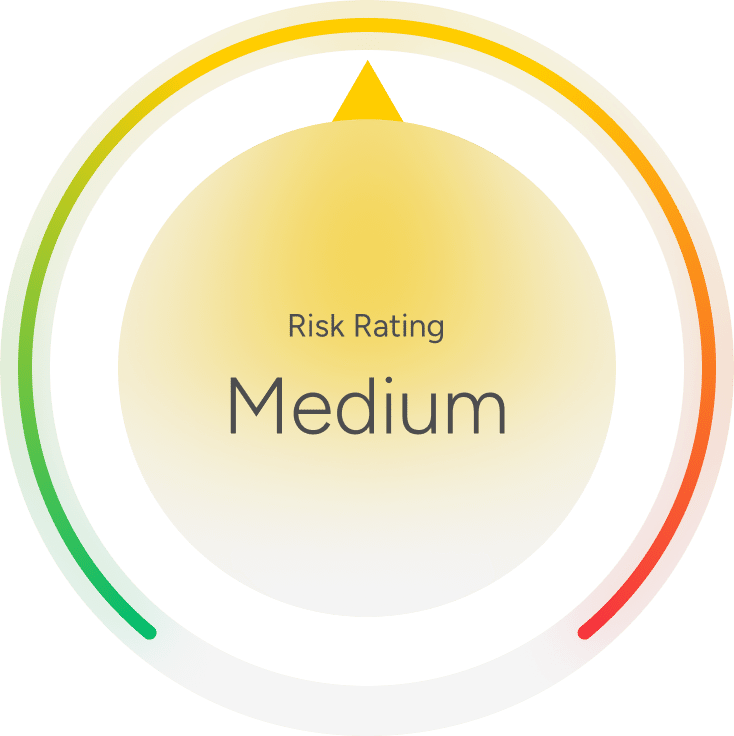
Rating Criteria
Rating Criteria Detail
Corporate Weaponization
Criteria:
Has canceled customers, suppliers, or vendors due to their political views or religious beliefs OR corporately boycotts, divests, or sanctions regions, people groups, or industries.
Risk Level:
MediumRationale:
MHI promotes divisive sex and gender policies. Its MHI Group Global Code of Conduct requires international vendors to include sexual orientation in their nondiscrimination policy (1). The company integrates ESG into its business practices. From its 2024 Sustainability Databook: “In addition, to reduce risks in the supply chain, we conduct a CSR survey to confirm the CSR promotion initiatives of suppliers, and based on the results we reconfirm laws related to CSR and ESG, conduct onsite surveys on the status of compliance systems and initiatives, and consult with suppliers on making improvements” (2). However, the company has not canceled customers, suppliers, or vendors based on political views or religious beliefs (3).
Criteria:
Charitable giving (including employee matching programs) policies or practices discriminate against charitable organizations based on views or religious beliefs.
Risk Level:
MediumRationale:
MHI’s charitable giving guidelines require that organizations abide by its nondiscrimination policy, including on the basis of sexual orientation, thereby excluding some religious charities (1).
Criteria:
Employment policies fail to protect against viewpoint or other discrimination and/or are ideological in nature.
Risk Level:
HighRationale:
MHI appears to prioritize diversity over merit in its recruitment and leadership composition. From its Sustainability Databook 2024: “MHI Group takes a range of measures to boost its competitiveness in the recruitment market and enhance employee engagement. Specifically, improving engagement, together with promoting diversity, has been designated as one of the MHI Group material issues”, and “It is important to increase the representation of females in leadership and management positions responsible for making organizational decisions to ensure gender diversity” (1). The company appears to prioritize diversity over merit in its business structure through the establishment of gender targets for its hiring and leadership composition. The company is seeking “a female ratio of 10% among technical students hired” and “[to i]ncrease the ratio of women on the Board of Directors to at least 30% by 2030” (2). The company does not provide viewpoint protections for its employees (3)(4).
Corporate Governance and Public Policy
Criteria:
Uses corporate reputation to support causes, organizations, or policies hostile to freedom of expression.
Risk Level:
HighRationale:
MHI is committed to net zero carbon emissions by 2040 (1). The company supports DEI within its business practices. From its 2024 Sustainability Databook: “we consider diversity, such as gender, age, nationality, disability status and other factors, is an asset among our workforce and the backbone of our business” (2). The company supports ESG within its business practices. From its 2024 Sustainability Databook 2024: “We have established a governance structure for the entire Group, with the Chief Strategy Officer (CSO) serving as chair of the Sustainability Committee, responsible for driving our ESG initiatives” (3). MHI is a member of Carbon Measures, an organization committed to “establishing a more accurate carbon accounting framework and driving market-based solutions to reduce emissions at the lowest cost” (4)(5).
Criteria:
Uses corporate funds to advance ideological causes, organizations, or policies hostile to freedom of expression.
Risk Level:
LowerRationale:
MHI has not used corporate funds to advance ideological causes, organizations, or policies (1).
Related Companies
Energy

Chevron
Energy, Health Care Equipment and Services, Technology Hardware and Equipment
General Electric

Commercial and Professional Services

KBR

Energy
Phillips 66
Energy
Marathon Petroleum
Energy

Valero Energy
Commercial and Professional Services
Accenture

Commercial and Professional Services
Booz Allen Hamilton
Commercial and Professional Services
Deloitte Touche Tohmatsu Limited (DTTL)

Commercial and Professional Services
Leidos