
Schneider Electric
Company is a corporate partner of Ashoka, a global network of entrepreneurs focused on widespread, systemic social and environmental change
Companies that offer so-called transgender healthcare for their employees and covered dependents.
Rating Overview
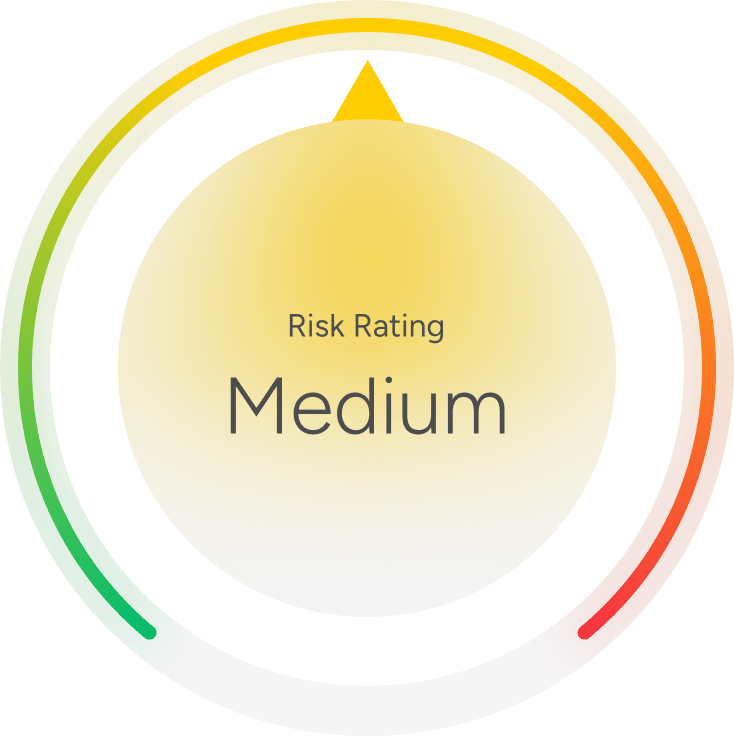
Rating Criteria
Rating Criteria Detail
Corporate Weaponization
Criteria:
Has canceled customers, suppliers, or vendors due to their political views or religious beliefs OR corporately boycotts, divests, or sanctions regions, people groups, or industries.
Risk Level:
MediumRationale:
Schneider Electric received a score of 80 on the 2025 Corporate Equality Index (CEI) from the Human Rights Campaign (HRC), a political stakeholder group. The company recruits employees based on sexual identity issues. The company discriminates against vendors that do not promote divisive sex and gender policies, indicating it prioritizes sexual issues over merit (1)(2). The company integrates ESG into its business practices. From its 2025 Sustainability Report: “Governance, Nominations & Sustainability Committee: Reviews the ESG targets included in executive compensation” and “While SAM (Supplier Approval Module) ensures that all new suppliers are screened for ESG concerns and if identified are resolved before resuming the onboarding, there is a special process and family of interventions dedicated to the issues of human rights with the existing suppliers, having ongoing business relationship with the Company” (3). Schneider Electric integrates DEI into its supply chain. From its Supplier Code of Conduct: “Suppliers are encouraged to support inclusive sourcing and diversity in their own supply chains, including opportunities for underrepresented, vulnerable or locally rooted supplier groups where feasible and legally permissible” (4). However, the company has not publicly canceled customers, suppliers, or vendors based on political views or religious beliefs (5).
Criteria:
Charitable giving (including employee matching programs) policies or practices discriminate against charitable organizations based on views or religious beliefs.
Risk Level:
HighRationale:
Schneider Electric’s HRC 2025 CEI rating indicates the company will not donate to non-religious charities unless they embrace controversial sexual identity policies (1)(2). However, the company does not appear to discriminate against charitable organizations based on views or beliefs (3). Schneider Electric’s charitable giving focus areas are “Energy equity, STEM education, Inclusion & Care, and Disaster relief” (4).
Criteria:
Employment policies fail to protect against viewpoint or other discrimination and/or are ideological in nature.
Risk Level:
HighRationale:
Schneider Electric’s HRC 2025 CEI rating indicates the company forces employees to attend multiple, controversial trainings on gender identity, sexual orientation, transgender issues, and divisive racial ideology. The company provides a specific benefits guide with a comprehensive explanation of transgender services funded by the company (1)(2). The company offers unconscious bias and inclusion training to its employees (3). Schneider Electric appears to prioritize diversity over merit in its business structure through the establishment of gender targets for its hiring, promotions, and leadership composition. The company is seeking to “Increase gender diversity in hiring (50%), front-line management (40%) and leadership teams (30%)” (4). The company was a signatory of the Gender & Diversity KPI Alliance, appearing to prioritize diversity over merit in its business structure through the establishment of gender and racial targets for its leadership composition and its support of DEI in its hiring and promotions (5)(6). Schneider Electric protects its employees against viewpoint discrimination (7).
Corporate Governance and Public Policy
Criteria:
Uses corporate reputation to support causes, organizations, or policies hostile to freedom of expression.
Risk Level:
HighRationale:
Schneider Electric posted an article encouraging people to read White Fragility by Robin DiAngelo (1). The company is committed to net zero carbon emissions by 2050 (2). Schneider Electric supports DEI within its business practices, employing a Diversity Officer (3)(4). The company supports ESG within its business practices. From its 2025 Sustainability Report: “Schneider’s commitment to environmental, social, and governance (ESG) principles goes beyond merely complying with regulations such as the Corporate Sustainability Reporting Directive (CSRD); it reflects Schneider’s dedication to reducing its reliance on natural resources” (5). Schneider Electric’s CEO, Jean-Pascal Tricoire, signed the European Green Digital Coalition (EGDC) Declaration, committing the company to invest in green digital solutions, engage with organizations to develop environmental assessment methodologies, and promote cross-sectoral dialogue on green digital deployment. Furthermore, membership in the Coalition requires the company to establish science-based targets for reducing GHG emissions by 2030 and achieving climate neutrality or net-zero status no later than 2040 (6)(7)(8). The company is a signatory of America Is All In, committed to halving U.S. emissions by 2030 (based on a 2005 baseline), and reaching net zero emissions by 2050 (9)(10). Schneider Electric’s CEO, Jean-Pascal Tricoire, was a signatory of the CEO Action Group for the European New Deal, and the company endorsed and outlined a plan of action to support the Biden administration’s climate plan (11)(12). The company pledged to invest $700 million into energy infrastructure (13)(14).
Criteria:
Uses corporate funds to advance ideological causes, organizations, or policies hostile to freedom of expression.
Risk Level:
HighRationale:
Schneider Electric provides a benefits package for employees that covers transgender medical procedures for covered employees and dependents, including children (1). The company’s HRC 2025 CEI rating indicates the company covers transgender related costs for its employees and their children, including paid short-term leave, puberty blockers, cross-sex hormones, chest surgeries, genital surgeries, medical visits and lab monitoring, travel and lodging. By allowing a political stakeholder group to dictate operations, the company increases health care costs and risks dividing employees, alienating customers and harming shareholders (2)(3). Schneider Electric is a corporate partner of the National LGBT Chamber of Commerce (4). The company is a corporate partner of Ashoka, a global network of entrepreneurs focused on widespread, systemic social and environmental change (5). Otherwise, there are no publicly known cases of Schneider Electric using corporate funds to advance ideological causes, organizations, or policies (6).
Related Companies
Energy

Chevron
Energy, Health Care Equipment and Services, Technology Hardware and Equipment
General Electric

Energy
Phillips 66

Energy
Marathon Petroleum
Energy
Valero Energy
Energy
Exelon
Energy
Energy Transfer

Energy
Enterprise Products Partners

Energy

Plains All American Pipeline, L.P.
Energy
Duke Energy