
Teradata Corp.
Companies who scored 100% on the 2023-2024 Corporate Equality Index.
Companies who scored 100% on the 2025 Corporate Equality Index.
Companies that scored a 100 on the 2026 Corporate Equality Index.
Companies that offer so-called transgender healthcare for their employees and covered dependents.

Rating Overview
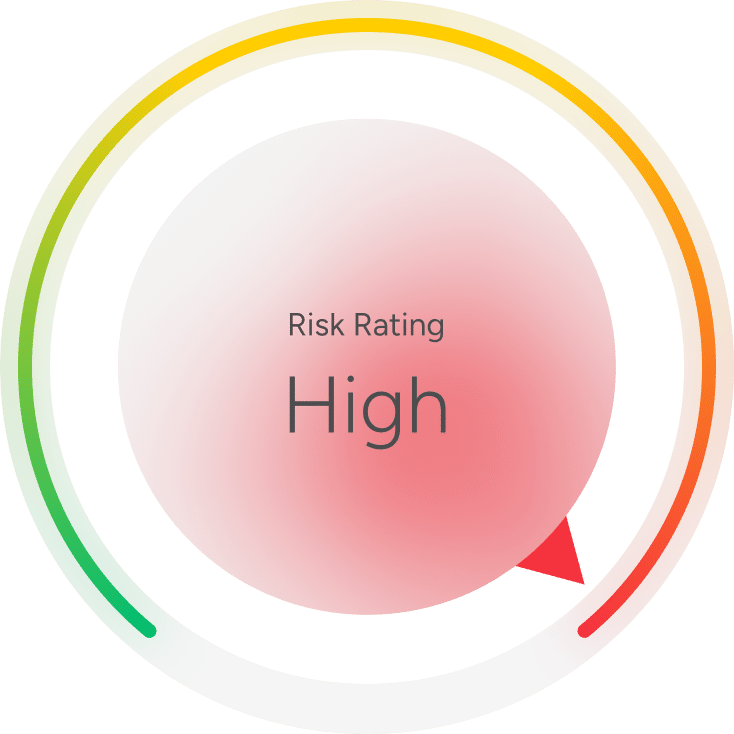
Rating Criteria
Rating Criteria Detail
Corporate Weaponization
Criteria:
Has canceled customers, suppliers, or vendors due to their political views or religious beliefs OR corporately boycotts, divests, or sanctions regions, people groups, or industries.
Risk Level:
MediumRationale:
Teradata received a score of 100 on the 2026 Corporate Equality Index (CEI) from the Human Rights Campaign (HRC), a political stakeholder group. The company recruits employees based on sexual identity issues. The company discriminates against vendors that do not promote divisive sex and gender policies, indicating it prioritizes sexual issues over merit (1)(2)(3). The company received a score of 100 on the 2025 Corporate Equality Index (CEI) from the Human Rights Campaign (HRC), a political stakeholder group. The company recruits employees based on sexual identity issues. The company discriminates against vendors that do not promote divisive sex and gender policies, indicating it prioritizes sexual issues over merit (4)(5). Teradata integrates ESG into its business practices. From its 2025 ESG Report: “The council receives ESG pillar updates and briefings on the ESG landscape, advises on program commitments, goals, risks, and opportunities, and integrates ESG strategies into respective organizations and functions” and “Responsible supply chain: Embedded ESG into procurement processes, including onboarding, contracts, and requests for proposals (RFPs), reinforcing expectations on ethics, labor standards, climate action, and governance” (6). The company promotes divisive sex and gender policies. Its Code of Conduct requires international vendors to include sexual orientation and gender identity in their nondiscrimination policy (7). However, Teradata has not publicly canceled customers, suppliers, or vendors based on political views or religious beliefs (8).
Criteria:
Charitable giving (including employee matching programs) policies or practices discriminate against charitable organizations based on views or religious beliefs.
Risk Level:
HighRationale:
Teradata’s HRC 2026 CEI rating indicates the company will not donate to non-religious charities unless they embrace controversial sexual identity policies (1)(2)(3). The company’s HRC 2025 CEI rating indicates the company will not donate to non-religious charities unless they embrace controversial sexual identity policies (4)(5). However, Teradata does not appear to discriminate against religious organizations based on views or beliefs (6)(7).
Criteria:
Employment policies fail to protect against viewpoint or other discrimination and/or are ideological in nature.
Risk Level:
HighRationale:
Teradata’s HRC 2026 CEI rating indicates the company forces employees to attend at least one, controversial training on gender identity, sexual orientation, transgender issues, and divisive racial ideology. The company provides gender transition guidelines for its employees and a specific benefits guide with a comprehensive explanation of transgender services funded by the company (1)(2)(3). The company’s HRC 2025 CEI rating indicates the company forces employees to attend multiple, controversial trainings on gender identity, sexual orientation, transgender issues, and divisive racial ideology. The company provides gender transition guidelines for its employees and a specific benefits guide with a comprehensive explanation of transgender services funded by the company (4)(5). Teradata requires its employees to take DEI training (6). The company appears to prioritize diversity over merit in its leadership composition and supply chain. From its 2023 ESG Report: “We refreshed our hiring policies and practices to enhance the diversity of our pipeline for leadership positions, as measured by goals for greater representation from underrepresented groups” and “Teradata seeks to strengthen its supply chain by increasing its diverse vendor base — comprising minorities, women, veterans, LGBTQ+ community members, historically underutilized business zones, and small businesses. Our Supplier Diversity Policy affirms maximum opportunity for certified diverse suppliers to provide products and services to Teradata” (7). Teradata has a history of divisive corporate policies and practices. However, in 2024, the company removed DEI language and policies] from its ESG Report. To date, the company has not publicly addressed this change, leaving shareholders without clarity regarding the company’s reasoning or future direction (8). The company does not provide viewpoint protections for its employees (9).
Corporate Governance and Public Policy
Criteria:
Uses corporate reputation to support causes, organizations, or policies hostile to freedom of expression.
Risk Level:
HighRationale:
Teradata’s HRC 2026 CEI rating indicates the company potentially agrees to allow a controversial stakeholder group focused on sexual identity issues to dictate marketing or advertising strategy. By doing so, the company risks dividing employees, alienating customers and harming shareholders (1)(2)(3). The company’s HRC 2025 CEI rating indicates the company agrees to allow a controversial stakeholder group focused on sexual identity issues to dictate marketing or advertising strategy. By doing so, the company risks dividing employees, alienating customers and harming shareholders (4)(5). Teradata’s CEO, Steve McMillan, signed the CEO Action for Diversity & Inclusion pledge, which includes a commitment to promote DEI through bias education training in the workplace, strategize on DEI programs/initiatives with other signatories, and engage boards of directors when developing and evaluating DEI strategies (6)(7). The company is committed to net zero emissions by 2050 (8). Teradata supports DEI within its business practices, hosting a DEI Advisory Board (9). The company supports ESG within its business practices. From its 2025 ESG Report: “ESG is a company-wide effort that touches all of us, reflecting the broad talent and commitment within our workforce” (10). Teradata supports DEI within its business practices. From its 2023 ESG Report: “Diversity, equity, and inclusion (DEI) continues to support our culture and business” (11). The company has a history of divisive corporate policies and practices. However, in 2024, the company removed DEI language from its ESG Report. To date, the company has not publicly addressed this change, leaving shareholders without clarity regarding the company’s reasoning or future direction (12).
Criteria:
Uses corporate funds to advance ideological causes, organizations, or policies hostile to freedom of expression.
Risk Level:
HighRationale:
Teradata’s HRC 2026 CEI rating indicates the company covers transgender related costs for its employees and their children, including paid short-term leave, puberty blockers, cross-sex hormones, chest surgeries, genital surgeries, medical visits, lab monitoring, and mental health benefits. The company also covers at least five of the following services: reconstructive hair removal, cosmetic hair removal, tracheal shave or reduction, facial surgeries, voice modification surgery, voice modification therapy, lipoplasty or filling for body masculinization or feminization, and travel and lodging expenses. Additionally, the company has potentially pledged philanthropic support of at least one organization or event that promotes sex and gender ideology. By allowing a political stakeholder group to dictate operations, the company increases health care costs and risks dividing employees, alienating customers and harming shareholders (1)(2)(3)(4). The company’s HRC 2025 CEI rating indicates the company covers transgender related costs for its employees and their children, including paid short-term leave, puberty blockers, cross-sex hormones, chest surgeries, genital surgeries, medical visits and lab monitoring, travel and lodging. Additionally, the company has pledged philanthropic support of at least one organization or event that promotes sex and gender ideology. By allowing a political stakeholder group to dictate operations, the company increases health care costs and risks dividing employees, alienating customers and harming shareholders (5)(6). Teradata “committed $100K in matching funds to support organizations advancing social justice, human rights and equality” (7). Otherwise, there are no publicly known cases of the company using corporate funds to advance ideological causes, organizations, or policies (8).
Criteria:
Uses corporate political actions and/or financial contributions for ideological, non-business purposes.
Risk Level:
HighRationale:
Teradata’s HRC 2025 CEI rating indicates the company publicly advocated for controversial sex and gender ideology through local, state or federal legislation or initiatives. By allowing a political stakeholder group to dictate operations, the company risks dividing employees, alienating customers and harming shareholders (1)(2). The company does not operate a PAC or report on its lobbying at this time (3)(4)(5).
Related Companies

Cloud & Data Storage, Retailing, Software and Services

Amazon

Media and Entertainment, Software and Services, Web Browsers
Microsoft

Cloud & Data Storage, Media and Entertainment, Software and Services, Web Browsers
Alphabet

Cloud & Data Storage, Software and Services, Technology Hardware and Equipment

IBM
Cloud & Data Storage, Software and Services
Oracle

CRM & Project Management, Software and Services
Asana

Accounting Payroll & HR Services, Diversified Financials, Software and Services
Intuit

Software and Services
Adobe

Accounting Payroll & HR Services, CRM & Project Management, Software and Services
SAP

Software and Services
DXC Technology