
WPP
Companies provide a benefit package for employees which covers travel/lodging costs for an abortion.
Companies who were members of the Global Alliance for Responsible Media, which subjectively demonetized advertisements and suppressed content to stifle mainstream perspectives online
Companies that offer so-called transgender healthcare for their employees and covered dependents.

Rating Overview
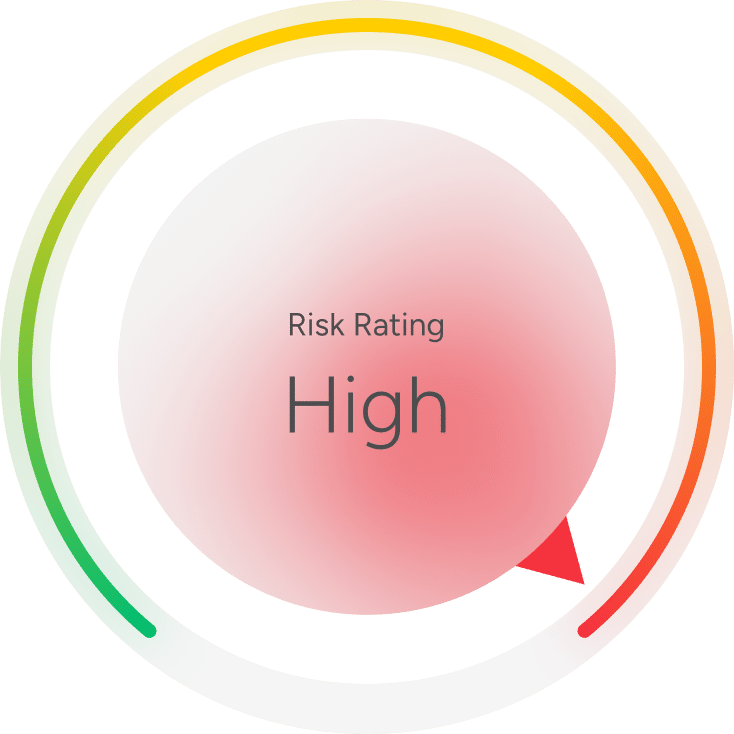
Rating Criteria
Rating Criteria Detail
Corporate Weaponization
Criteria:
Has canceled customers, suppliers, or vendors due to their political views or religious beliefs OR corporately boycotts, divests, or sanctions regions, people groups, or industries.
Risk Level:
MediumRationale:
WPP received a score of 95 on the 2025 Corporate Equality Index (CEI) from the Human Rights Campaign (HRC), a political stakeholder group. The company recruits employees based on sexual identity issues. The company discriminates against vendors that do not promote divisive sex and gender policies, indicating it prioritizes sexual issues over merit (1)(2). VML received a score of 60 on the 2025 Corporate Equality Index (CEI) from the Human Rights Campaign (HRC), a political stakeholder group. The company recruits employees based on sexual identity issues. The company discriminates against vendors that do not promote divisive sex and gender policies, indicating it prioritizes sexual issues over merit (3)(4). The company promotes divisive sex and gender policies. Its Supplier Code of Conduct requires international vendors to include sexual orientation and gender identity in their nondiscrimination policy (5). The company’s PGLE membership reflected its commitment to vet business partners based on LGBTQ+ policies (6)(7)(8). GroupM, now WPP, was a member of the Global Alliance for Responsible Media, which demonetized and suppressed content that it deemed to spread “hate speech” or “misinformation”, discuss “debated social issues in a negative or partisan context”, or “vilif[y]” individuals based on sexual orientation and gender identity. These arbitrary guidelines were used to censor mainstream perspectives online (9)(10)(11). In April 2026, the FTC charged WPP with unlawful collusion with other advertising agencies to discriminate against organizations based on political opinions. WPP agreed to a settlement that would prevent the company “from entering into agreements that set common brand safety standards or restrict advertising based on what the FTC characterizes as biased or politically motivated criteria”. The agreement still needs to be approved by a federal judge (12)(13)(14). However, WPP has not publicly canceled customers, suppliers or vendors based on political views or religious beliefs (15)(16).
Criteria:
Charitable giving (including employee matching programs) policies or practices discriminate against charitable organizations based on views or religious beliefs.
Risk Level:
HighRationale:
WPP does not appear to discriminate against charitable organizations based on views or beliefs (1). VML’s HRC 2025 CEI rating indicates the company will not donate to non-religious charities unless they embrace controversial sexual identity policies (2)(3). WPP‘s HRC 2025 CEI rating indicates the company will not donate to non-religious charities unless they embrace controversial sexual identity policies (4)(5).
Criteria:
Employment policies fail to protect against viewpoint or other discrimination and/or are ideological in nature.
Risk Level:
HighRationale:
WPP’s HRC 2025 CEI rating indicates the company forces employees to attend multiple, controversial trainings on gender identity, sexual orientation, transgender issues, and divisive racial ideology. The company provides gender transition guidelines for its employees and a specific benefits guide with a comprehensive explanation of transgender services funded by the company (1)(2). Kantar company hosts mandatory unconscious bias training for all employees (3). The company appears to prioritize diversity over merit in its leadership composition. From its 2024 Corporate Governance Report: “The Board Diversity Policy reinforces the Board’s ongoing commitment to diversity and aligns with the board diversity principles of the UK Listing Rules and FTSE Women Leaders and Parker reviews on gender and ethnic diversity” (4). The company appears to prioritize diversity over merit in its leadership composition. From its 2023 Sustainability Report: “We are committed to including Certified Diverse Suppliers (CDS) in our purchasing lifecycle, both internally and for the benefit of our clients. We define CDS as minorityowned, women-owned, veteran-owned, LGBTQ-owned, service disabled, historically underutilised and small businesses” (5). The company does not provide viewpoint protections for its employees (6)(7).
Corporate Governance and Public Policy
Criteria:
Uses corporate reputation to support causes, organizations, or policies hostile to freedom of expression.
Risk Level:
HighRationale:
WPP’s HRC 2025 CEI rating indicates the company agrees to allow a controversial stakeholder group focused on sexual identity issues to dictate marketing or advertising strategy. By doing so, the company risks dividing employees, alienating customers and harming shareholders (1)(2). WPP’s PGLE membership reflects its commitment to “operationalize” company coverage of transgender surgery and treatment, the vetting of business partners based on LGBTQ+ policies, and the financial support of LGBTQ organizations on a global level (3)(4)(5). WPP signed an open letter endorsing the Equality Act, a contentious proposal to amend the 1964 Civil Rights Act by adding sexual orientation and so-called gender identity as protected categories. The legislation would, among other implications, grant biological men access to women-only spaces such as sports teams and public restrooms, and compel healthcare providers to deliver sex-denying healthcare and advocates for “anti-racism”, displaying Ibram X. Kendi’s “How to be an Antiracist” on its website (6)(7). WPP’s subsidiary Burson Cohn & Wolfe (BCW) has signed letters supporting the Equality Act and opposing the Florida Parental Rights in Education Act (8)(9). BCW was part of the Freedom for All Americans coalition, which advocated for federal legislation that would overrule state laws designed to protect girls’ sports and similar laws (10). Burson Cohn & Wolfe’s Executive VP was ranked 41 in the 2020 Pride Power List after he created the Human Rights Campaign Americans for Marriage Equality campaign (11). BCW’s Global President published a statement in support of Black Lives Matter (12). WPP’s CEO Mark Read is a signatory to CEOs For Gun Safety (13). During the 2022 Pride Month, VMLY&R, a subsidiary of WPP held a digital event called “Made With Pride” featuring speaker events and LGBTQ employee stories (14). VMLY&R opposed various state and local legislation intended to protect parental rights, girls’ sports, bathroom facilities, and gendered spaces (15)(16). VMLY&R opposed legislation in Iowa intended to protect parental rights, girls’ sports, bathroom facilities, and gendered spaces (17). VMLY&R opposed the Florida Parental Rights in Education Act, which would prohibit teaching gender identity and sexual orientation to kids in K-3rd grade (18). WPP opposed various state and local legislation intended to protect parental rights, girls’ sports, bathroom facilities, and gendered spaces (19). WPP is a member of the “Don’t Ban Equality” business coalition, which advocates against any abortion restrictions because they are “bad for business” (20). BCW opposed legislation in Iowa intended to protect parental rights, girls’ sports, bathroom facilities, and gendered spaces (21). WPP’s CEO, Mark Read, signed the CEO Action for Diversity & Inclusion pledge, which includes a commitment to promote DEI through bias education training in the workplace (22)(23)(24). BCW opposed the Florida Parental Rights in Education Act, which would prohibit teaching gender identity and sexual orientation to kids in K-3rd grade (25). WPP was a contributing member of GARM’s Action Guide to Reduce Media Greenhouse Gas Emissions which provides an action plan for media companies to transition to net zero greenhouse gas emissions (26). The company is aligned with the Paris Agreement, which entails a commitment to net zero carbon emissions by 2050 (27). The company is committed to net zero carbon emissions by 2030 (28). The company supports DEI within its business practices. From its 2023 Sustainability Report: “Diversity, equity and inclusion goals are included in our incentive plans for senior executives, and we have also included carbon-reduction targets in incentive plans for Executive Directors from 2021” (29). The company supports ESG within its business practices. From its 2023 Sustainability Report: “ESG risks are integrated into WPP’s risk appetite and tolerance levels as well as our assessment, management and monitoring of principal risks. This includes the business review process, which includes assessing the possibility of winning or losing major business; succession and the addition or loss of a key employee; regulatory changes; sustainability, privacy, diversity and employment; political instability; and changes in accounting or corporate governance practice” (30). WPP scored a 70 out of 100 on the 2023-2024 Corporate Equality Index (CEI) from the Human Rights Campaign (HRC), a political stakeholder group (31)(32).
Criteria:
Uses corporate funds to advance ideological causes, organizations, or policies hostile to freedom of expression.
Risk Level:
HighRationale:
WPP and VML provides a benefits package for employees that covers travel/lodging costs for an abortion and transgender medical procedures for covered employees and dependents, including children (1)(2)(3). WPP’s HRC 2025 CEI rating indicates the company covers transgender related costs for its employees and their children, including paid short-term leave, puberty blockers, cross-sex hormones, chest surgeries, genital surgeries, medical visits and lab monitoring, travel and lodging. Additionally, the company has pledged philanthropic support of at least one organization or event that promotes sex and gender ideology. By allowing a political stakeholder group to dictate operations, the company increases health care costs and risks dividing employees, alienating customers and harming shareholders (4)(5). VML’s HRC 2025 CEI rating indicates the company covers transgender related costs for its employees and their children, including paid short-term leave, puberty blockers, cross-sex hormones, chest surgeries, genital surgeries, medical visits and lab monitoring, travel and lodging. By allowing a political stakeholder group to dictate operations, the company increases health care costs and risks dividing employees, alienating customers and harming shareholders (6)(7). WPP is a PGLE member (8). The company uses gift-matching funds to support BLM and Color of Change (9). VMLY&R has a section of its Foundation Impact Report titled “Black Lives Matter Matching Gift Program” in which they have matched donations to the Black Lives Matter movement (10). VMLY&R foundation has also financially supported The Trevor Project and Des Moines Capital City Pride (11). WPP’s agency Wunderman sponsored the LGBT festival ShanghaiPride, which “aims to raise the profile of LGBT issues in China” (12). GroupM (now WPP) was a Friend level partner of PFLAG, an LGBTQ+ activist group that promotes books for children with sexually explicit and gender fluid content and advocates against laws that inform parents of their child’s gender dysphoria or prevent unapproved transgender medical treatments for minors (13)(14)(15). GroupM, now WPP, was a member of the Global Alliance for Responsible Media (16)(17)(18). Otherwise, there are no publicly known cases of the company using corporate funds to advance ideological causes, organizations, or policies (19).
Criteria:
Uses corporate political actions and/or financial contributions for ideological, non-business purposes.
Risk Level:
HighRationale:
WPP’s HRC 2025 CEI rating indicates the company publicly advocated for controversial sex and gender ideology through local, state or federal legislation or initiatives. By allowing a political stakeholder group to dictate operations, the company risks dividing employees, alienating customers and harming shareholders (1)(2). WPP does not operate a PAC at this time but has not lobbied for ideological purposes (3)(4)(5)(6).
Related Companies

Commercial and Professional Services

KBR

Commercial and Professional Services
Accenture

Commercial and Professional Services

Booz Allen Hamilton

Commercial and Professional Services
Deloitte Touche Tohmatsu Limited (DTTL)

Commercial and Professional Services
Leidos

Commercial and Professional Services
Ernst & Young (EY)

Commercial and Professional Services
ManpowerGroup

Accounting Payroll & HR Services, Commercial and Professional Services

Insperity

Commercial and Professional Services
CapinCrouse

Commercial and Professional Services
Jacobs Solutions