
BT Group
These companies are committed to leveraging shareholder or investor assets for net-zero emission goals and climate ambitions for GFANZ, Climate Action 100+, CERES, PCAF, UN PRI, NZLA, FIT, or HSCP.
Rating Overview
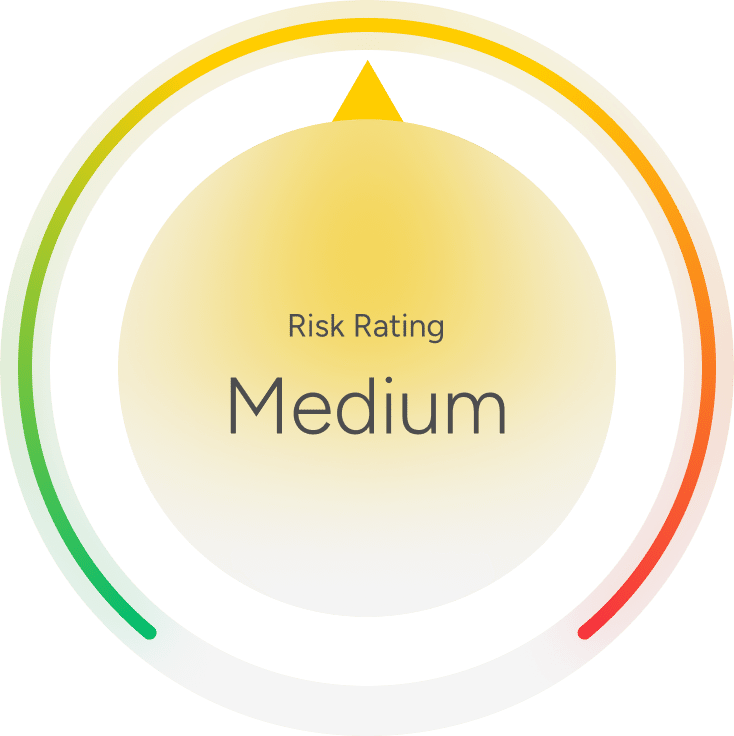
Rating Criteria
Rating Criteria Detail
Corporate Weaponization
Criteria:
Has canceled customers, suppliers, or vendors due to their political views or religious beliefs OR corporately boycotts, divests, or sanctions regions, people groups, or industries.
Risk Level:
MediumRationale:
BT is part of the Joint Alliance for Corporate Social Responsibility (JAC), which seeks to “Driv[e] the sustainable transformation of the Information and Communication Technology (ICT) supply chain” through implementing corporate social responsibility while “sharing resources and best practice” with other members. JAC members are encouraged to “take all reasonable endeavours to promote and secure compliance” to its Supply Chain Sustainability Guidelines to their suppliers, subcontractors, and employees. These guidelines ask suppliers to incorporate sexual orientation and gender identity into their nondiscrimination policies, adopt products and services that offer “environmental and social benefits”, and minimize Greenhouse Gas emissions by establishing emissions reduction targets, publicly reporting GHG emissions metrics, and engaging sub-suppliers and their sub-suppliers to drive GHG emission reduction (1)(2). The company integrates ESG into its business practices. From its Directors’ Remuneration Policy: ” non-financial performance measures – these reflect key BT Group strategic goals. For example,
such measures may include network, transformation, customer experience and other ESG goals” (3). BT integrates ESG into its business practices. From its 2025 Carbon Reduction Plan: “We also commit to reach net zero greenhouse gas emissions across our full value chain by the end of March 2041, reducing our absolute Scope 1, 2 and 3 emissions by 90%” (4). The company integrates DEI into its supply chain. From its Supplier Charter: “Suppliers must have in place (and to robustly monitor compliance with and progress against) clear inclusion and diversity policies, programmes and initiatives that accelerate the pace of change for inclusion” (5). However, the company has not canceled customers, suppliers, or vendors based on political views or religious beliefs (6).
Criteria:
Charitable giving (including employee matching programs) policies or practices discriminate against charitable organizations based on views or religious beliefs.
Risk Level:
LowerRationale:
BT does not appear to discriminate against charitable organizations based on views or beliefs (1).
Criteria:
Employment policies fail to protect against viewpoint or other discrimination and/or are ideological in nature.
Risk Level:
HighRationale:
BT requires its employees to take “Let’s Talk About Race” training (1). The company appears to prioritize diversity over merit in its leadership composition. From its Board Diversity and Inclusion Policy: “In identifying suitable candidates for appointment to the Board, the Nominations Committee will consider candidates on merit against objective criteria and will aim to promote diversity, inclusion and equal opportunity on the Board” (2). BT appears to prioritize diversity over merit in its supply chain. From its 2022 Diversity and Inclusion Report: “We continue to work with MSDUK
(Minority Supplier Development UK), the UK’s leading
non-profit membership organisation driving inclusive
procurement, to ensure we engage and work with
businesses that are owned by people from ethnic
minority background” (3). The company appears to prioritize diversity over merit in its business structure through the establishment of gender and racial targets for its leadership composition. The company is seeking “at least 40% women on the Board” and “at least one director from a minority ethnic background” (4). BT does not publish a nondiscrimination policy (5).
Corporate Governance and Public Policy
Criteria:
Uses corporate reputation to support causes, organizations, or policies hostile to freedom of expression.
Risk Level:
HighRationale:
BT is committed to net zero emissions by 2041 (1). The company’s CEO Philip Jansen signed the European Green Digital Coalition (EGDC) Declaration, committing the company to invest in green digital solutions, engage with organizations to develop environmental assessment methodologies, and promote cross-sectoral dialogue on green digital deployment. Furthermore, membership in the Coalition requires the company to establish science-based targets for reducing GHG emissions by 2030 and achieving climate neutrality or net-zero status no later than 2040 (2)(3)(4). BT supports DEI within its business practices, hosting an “Ethnic Diversity Network” (5). The company supports DEI within its business practices, employing a Diversity & Inclusion (6). BT supports DEI within its business practices. From its Diversity and Inclusion webpage: “We recognise that Inclusion & Diversity (I&D) is not just a ‘nice thing to do’, it’s critical to our growth. Our commitment to I&D remains resolute and unwavering” (7). The company supports ESG within its business practices. From its 2025 ESG Addendum: “We prioritise the environmental, social and
governance (ESG) topics that have the most financial impact on our business, along with the topics that have the most impact on society and the environment” (8).
Criteria:
Uses corporate funds to advance ideological causes, organizations, or policies hostile to freedom of expression.
Risk Level:
HighRelated Companies

Media and Entertainment, Telecommunication Services
AT&T
Telecommunication Services

Verizon Communications

Telecommunication Services
T-Mobile

Media and Entertainment, Telecommunication Services

Comcast

Media and Entertainment, Telecommunication Services
Charter Communications
Telecommunication Services
Lumen Technologies

Telecommunication Services
Cox Enterprises (Cox Communications)

Data Security, Telecommunication Services
Threema

Data Security, Telecommunication Services
Signal

Data Security, Telecommunication Services
Telegram