
HealthPartners
These companies are committed to leveraging shareholder or investor assets for net-zero emission goals and climate ambitions for GFANZ, Climate Action 100+, CERES, PCAF, UN PRI, NZLA, FIT, or HSCP.

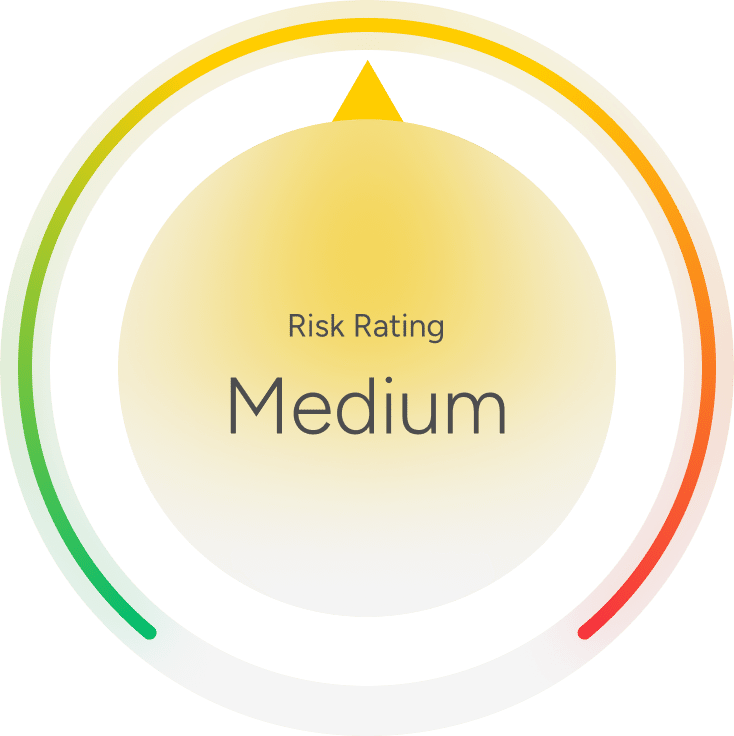
Rating Overview
Rating Criteria
Rating Criteria Detail
Corporate Weaponization
Criteria:
Has canceled customers, suppliers, or vendors due to their political views or religious beliefs OR corporately boycotts, divests, or sanctions regions, people groups, or industries.
Risk Level:
LowerRationale:
HealthPartners has not publicly canceled customers, suppliers, or vendors based on political views or religious beliefs (1).
Criteria:
Charitable giving (including employee matching programs) policies or practices discriminate against charitable organizations based on views or religious beliefs.
Risk Level:
HighRationale:
In 2021, HealthPartners required all employees to complete bias training. The company appears to prioritize diversity over merit in its business structure. It is seeking to “increase the racial diversity of our leadership team by 100% – from 10% today to 20% by 2025– to match our patient and member population” (1)(2). The company also provides anti-racism training (3). HealthPartners does not provide viewpoint protections for its employees (4).
Criteria:
Employment policies fail to protect against viewpoint or other discrimination and/or are ideological in nature.
Risk Level:
N/ARationale:
Corporate Governance and Public Policy
Criteria:
Uses corporate reputation to support causes, organizations, or policies hostile to freedom of expression.
Risk Level:
HighRationale:
HealthPartners has published statements supporting ideological gender theory and transgenderism in kids (1)(2). In 2020, HealthPartners established an “equity, inclusion, and anti-racism” cabinet and launched a podcast that explores diversity, equity, inclusion and anti-racism (3)(4). One of its podcasts hosted a discussion on microaggressions and unconscious bias in the workplace (5). One of its hospitals hosted the George Floyd Memorial Art Exhibit to lead to discussions about racism and health care (6). The company was a signatory of the Health Sector Pledge, committing itself to achieve net zero emissions by 2050. Signatories were expected to develop and release a climate resilience plan and appoint a corporate executive to oversee its implementation (7). After mass protests against federal immigration enforcement and fatal shootings in Minnesota, HealthPartners’ CEO Andrea Walsh signed an open letter calling for the immediate de-escalation of violence and for state, local, and federal authorities to work together to restore peace in Minnesota (8).
Criteria:
Uses corporate funds to advance ideological causes, organizations, or policies hostile to freedom of expression.
Risk Level:
LowerRelated Companies

Health Care Equipment and Services

UnitedHealth Group

Health Care Equipment and Services, Insurance
Cigna

Health Care Equipment and Services
Humana

Health Care Equipment and Services
Cencora

Food and Staples Retailing, Health Care Equipment and Services
CVS Health

Food and Staples Retailing, Health Care Equipment and Services
Walgreens Boots Alliance

Health Care Equipment and Services
McKesson

Health Care Equipment and Services

Aetna (Meritain Health)

Health Care Equipment and Services
Cardinal Health

Insurance
MetLife