Kerry Group

Rating Overview
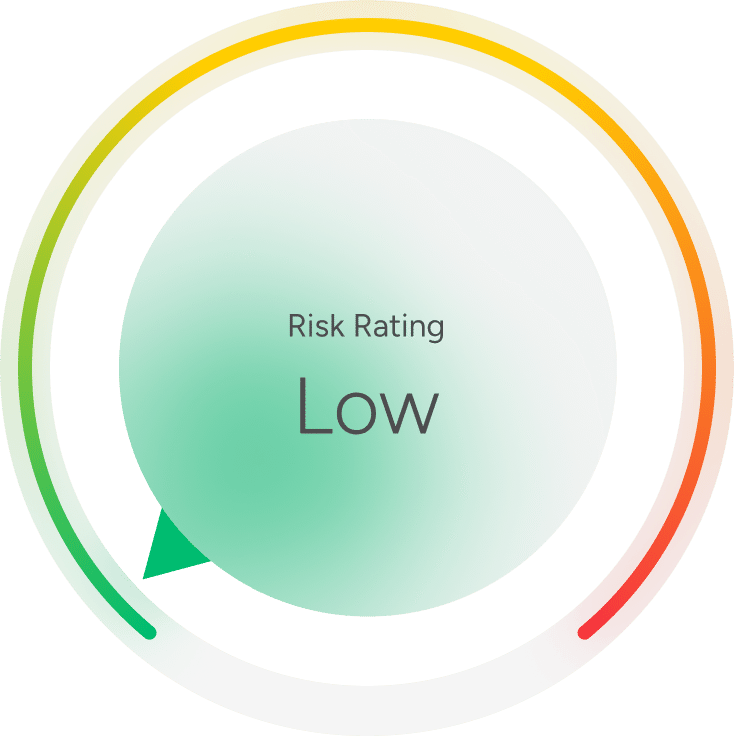
Rating Criteria
Rating Criteria Detail
Corporate Weaponization
Criteria:
Has canceled customers, suppliers, or vendors due to their political views or religious beliefs OR corporately boycotts, divests, or sanctions regions, people groups, or industries.
Risk Level:
MediumRationale:
Kerry Group’s PGLE membership reflects its commitment to vet business partners based on LGBTQ+ policies (1)(2)(3). The company promotes divisive sex and gender policies. Its Supplier Code of Conduct requires international vendors to include sexual orientation and gender identity in their nondiscrimination policy (4). However, Kerry Group has not canceled customers, suppliers, or vendors based on political views or religious beliefs (5).
Criteria:
Charitable giving (including employee matching programs) policies or practices discriminate against charitable organizations based on views or religious beliefs.
Risk Level:
LowerCriteria:
Employment policies fail to protect against viewpoint or other discrimination and/or are ideological in nature.
Risk Level:
HighRationale:
Kerry Group requires its employees to take DEI training (1). The company appears to prioritize diversity over merit in its leadership composition. From its Sustainability Statement: “Through our ongoing talent processes, we evaluate
our leadership and capability pipelines with a diversity lens,
working to ensure that our talent pools are representative” (2). Kerry Group appears to prioritize diversity over merit in its business structure through the establishment of gender targets for its leadership composition. The company is seeking “to achiev[ing]
equal gender representation in senior management roles across Kerry’s global footprint by the end of 2030” (3). The company protects its employees against viewpoint discrimination (4).
Corporate Governance and Public Policy
Criteria:
Uses corporate reputation to support causes, organizations, or policies hostile to freedom of expression.
Risk Level:
HighRationale:
Kerry Group’s former CEO, Oliver Kelly, signed the CEO Action for Diversity & Inclusion pledge, which includes a commitment to promote DEI through bias education training in the workplace, strategize on DEI programs/initiatives with other signatories, and engage boards of directors when developing and evaluating DEI strategies (1)(2). The company’s PGLE membership reflects its commitment to provide “tools and resources for companies to advance and implement LGBTI inclusion globally” (3)(4)(5)(6). Kerry Group signed an open letter endorsing the Equality Act, a contentious proposal to amend the 1964 Civil Rights Act by adding sexual orientation and so-called gender identity as protected categories. The legislation would, among other implications, grant biological men access to women-only spaces such as sports teams and public restrooms, and compel healthcare providers to deliver sex-denying healthcare (7). The company is aligned with the Paris Agreement, which entails a commitment to net zero carbon emissions by 2050 (8). Kerry Group supports DEI within its business practices. From its Sustainability Statement: “Kerry’s commitment to DI&B underpins every aspect of our
organisation’s operations including our ambition to create
an inclusive environment based on equal treatment and
opportunities for all” (9). The company supports ESG within its business practices. From its Sustainability Statement: “The double materiality assessment identifies Kerry’s most
relevant ESG topics and their related impacts, risks and
opportunities (IROs), at which we direct appropriate action
and resources, through our policies and programmes” (10).
Criteria:
Uses corporate funds to advance ideological causes, organizations, or policies hostile to freedom of expression.
Risk Level:
MediumRationale:
Kerry Group’s PGLE membership reflects its commitment to “operationalize” company coverage of transgender surgery and treatment and the financial support of LGBTQ organizations (1)(2)(3)(4). Otherwise, there are no publicly known cases of the company using corporate funds to advance ideological causes, organizations, or policies (5).
Related Companies

Food and Staples Retailing, Retailing

Walmart
Food and Staples Retailing, Retailing

Costco Wholesale

Food and Staples Retailing, Health Care Equipment and Services

CVS Health
Food and Staples Retailing, Health Care Equipment and Services
Walgreens Boots Alliance
Food and Staples Retailing
Kroger

Food and Staples Retailing, Retailing
Target

Food and Staples Retailing
Albertsons

Food and Staples Retailing
Sysco

Food and Staples Retailing
Publix Super Markets

Food and Staples Retailing
United Natural Foods