Selective Insurance Group
Companies that likely use Benevity to vet charitable recipients, thereby discriminating against mainstream advocacy organizations through the SPLC's overly broad "Hate List."
The biggest 1000 U.S. companies by revenue according to form 10-K.
The biggest 3000 companies in the U.S. in the year of 2025.
Rating Overview
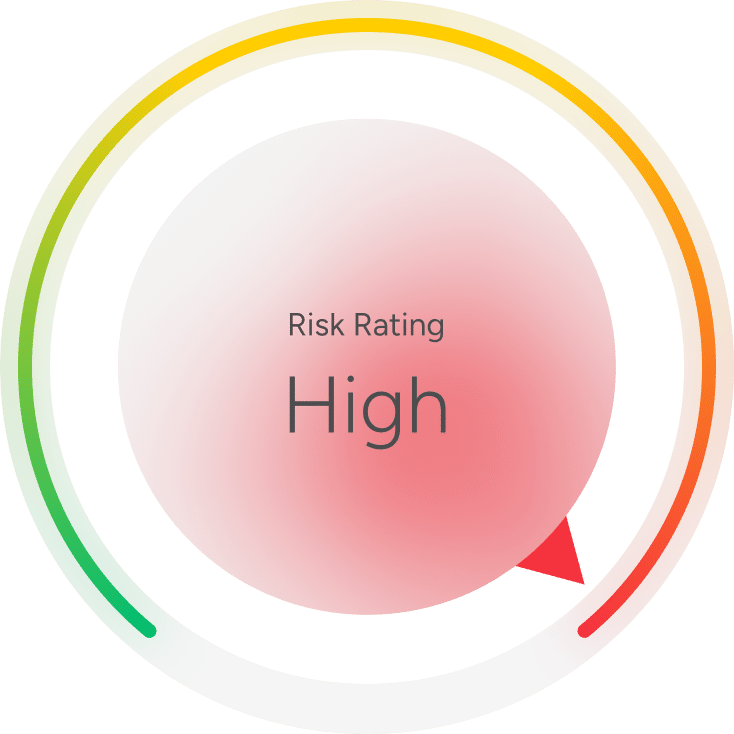
Rating Criteria
Rating Criteria Detail
Corporate Weaponization
Criteria:
Has canceled customers, suppliers, or vendors due to their political views or religious beliefs OR corporately boycotts, divests, or sanctions regions, people groups, or industries.
Risk Level:
MediumRationale:
Selective received a score of 70 on the 2025 Corporate Equality Index (CEI) from the Human Rights Campaign (HRC), a political stakeholder group. The company recruits employees based on sexual identity issues. The company discriminates against vendors that do not promote divisive sex and gender policies, indicating it prioritizes sexual issues over merit (1)(2). The company integrates ESG into its business practices. From its 2023 Form 10-K: “We are beginning to incorporate ESG considerations into our investment process” (3). In 2024, Selective rebranded its ESG practices as Sustainability; despite the rebranding, the underlying divisive corporate policies/practices appear to remain in place (4). However, the company has not publicly canceled customers, suppliers, or vendors based on political views or religious beliefs (5).
Criteria:
Charitable giving (including employee matching programs) policies or practices discriminate against charitable organizations based on views or religious beliefs.
Risk Level:
HighRationale:
Selective’s HRC 2025 CEI rating indicates the company will not donate to non-religious charities unless they embrace controversial sexual identity policies (1)(2). The company likely uses Benevity as its charitable giving platform. Benevity vets charities according to the Southern Poverty Law Center’s Hate List, which includes mainstream libertarian, conservative, family, and religious advocacy organizations (3)(4)(5).
Criteria:
Employment policies fail to protect against viewpoint or other discrimination and/or are ideological in nature.
Risk Level:
HighRationale:
Selective’s HRC 2025 CEI rating indicates the company forces employees to attend multiple, controversial trainings on gender identity, sexual orientation, transgender issues, and divisive racial ideology. The company provides a specific benefits guide with a comprehensive explanation of transgender services funded by the company (1)(2). The company offers implicit bias training to its employees (3). Selective appears to prioritize diversity over merit in its hiring and promotions. From its 2024 Form 10-K: the company has “enhanced hiring, retention, and promotion practices including diverse candidate pools and interviewing panels and training on implicit bias” (4). The company does not provide viewpoint protections for its employees (5).
Corporate Governance and Public Policy
Criteria:
Uses corporate reputation to support causes, organizations, or policies hostile to freedom of expression.
Risk Level:
HighRationale:
Selective’s HRC 2025 CEI rating indicates the company agrees to allow a controversial stakeholder group focused on sexual identity issues to dictate marketing or advertising strategy. By doing so, the company risks dividing employees, alienating customers and harming shareholders (1)(2). The company signed an open letter endorsing the Equality Act, a contentious proposal to amend the 1964 Civil Rights Act by adding sexual orientation and so-called gender identity as protected categories. The legislation would, among other implications, grant biological men access to women-only spaces such as sports teams and public restrooms, and compel healthcare providers to deliver sex-denying healthcare (3). Selective supports DEI within its business practices. From its Employee Engagement & Inclusion webpage: “Engagement and inclusion are embedded deeply in the Selective culture and guide each of our actions” (4). The company supports ESG within its business practices. From its 2023 Form 10-K: “we are working with our third-party investment managers to ensure they incorporate ESG guidelines and protocols into their investment process while managing our mandates” (5). In 2024, Selective rebranded its ESG practices as sustainability; despite the rebranding, the underlying divisive corporate policies/practices appear to remain in place (6). Otherwise, there are no publicly known cases of the company using its reputation to advance ideological causes or policies (7).
Criteria:
Uses corporate funds to advance ideological causes, organizations, or policies hostile to freedom of expression.
Risk Level:
HighRationale:
Selective’s HRC 2025 CEI rating indicates the company has pledged philanthropic support of at least one organization or event that promotes sex and gender ideology (1)(2). The company was a sponsor of the 2022 HRC National Dinner (3). In 2023, the company was a Silver sponsor of the Jersey Pride Festival (4). In 2022, Selective was a Gold Sponsor of the New Hope Celebrates (NHC) PrideFest (5). Otherwise, there are no publicly known cases of the company using corporate funds to advance ideological causes, organizations, or policies (6).
Criteria:
Uses corporate political actions and/or financial contributions for ideological, non-business purposes.
Risk Level:
HighRationale:
Selective’s HRC 2025 CEI rating indicates the company publicly advocated for controversial sex and gender ideology through local, state or federal legislation or initiatives. By allowing a political stakeholder group to dictate operations, the company risks dividing employees, alienating customers and harming shareholders (1)(2). The company has not used its PAC donations or lobbying for ideological purposes (3)(4)(5).