Singtel
Rating Overview
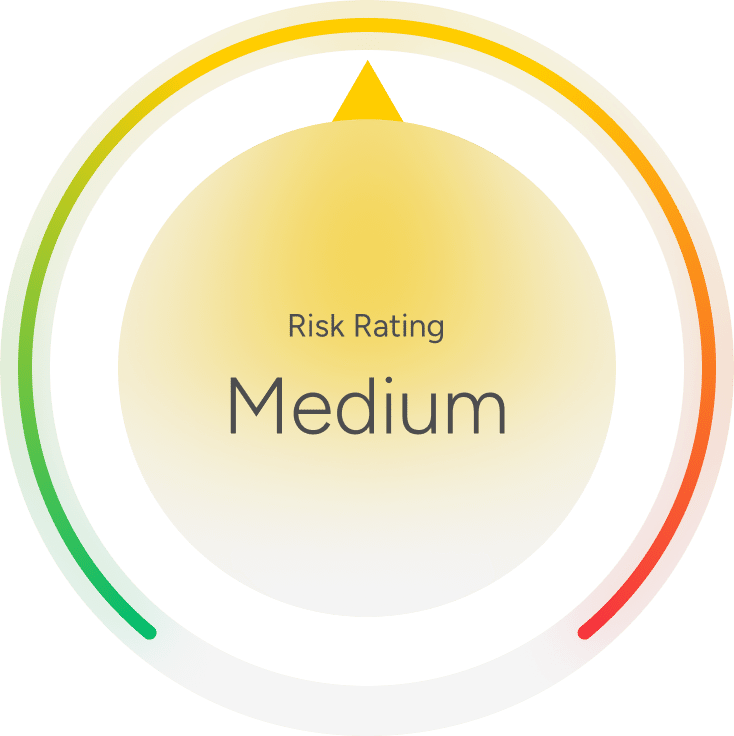
Rating Criteria
Rating Criteria Detail
Corporate Weaponization
Criteria:
Has canceled customers, suppliers, or vendors due to their political views or religious beliefs OR corporately boycotts, divests, or sanctions regions, people groups, or industries.
Risk Level:
MediumRationale:
Singtel is part of the Joint Alliance for Corporate Social Responsibility (JAC), which seeks to “Driv[e] the sustainable transformation of the Information and Communication Technology (ICT) supply chain” through implementing corporate social responsibility while “sharing resources and best practice” with other members. JAC members are encouraged to “take all reasonable endeavours to promote and secure compliance” to its Supply Chain Sustainability Guidelines to their suppliers, subcontractors, and employees. These guidelines ask suppliers to incorporate sexual orientation and gender identity into their nondiscrimination policies, adopt products and services that offer “environmental and social benefits”, and minimize Greenhouse Gas emissions by establishing emissions reduction targets, publicly reporting GHG emissions metrics, and engaging sub-suppliers and their sub-suppliers to drive GHG emission reduction (1)(2). Singtel integrates ESG into its business practices. From its Supplier Code of Conduct: “Upon request, Singtel Group suppliers shall take steps to identify, monitor and reduce emissions with the intent to achieve year-on-year decline in greenhouse gas emissions to collectively keep global rise of temperatures to 1.5°C or less” (3). The company integrates ESG into its business practices. From its Sustainability webpage: “ESG considerations are also integrated throughout other Board committees. The Executive Resource and Compensation Committee (ERCC) includes ESG KPIs in short‑ and long‑term incentive schemes for senior executives” (4). Singtel integrates DEI into its supply chain. From its Supplier Code of Conduct: “Singtel Group aims to promote
diversity in our supply chain by working with suppliers that: support gender equality focused on female gender representation” (5). However, the company has not canceled customers, suppliers, or vendors based on political views or religious beliefs (6).
Criteria:
Charitable giving (including employee matching programs) policies or practices discriminate against charitable organizations based on views or religious beliefs.
Risk Level:
LowerRationale:
Singtel does not appear to discriminate against charitable organizations based on views or beliefs (1).
Criteria:
Employment policies fail to protect against viewpoint or other discrimination and/or are ideological in nature.
Risk Level:
HighRationale:
Singtel offers inclusion and belonging training to its employees (1). The company appears to prioritize diversity over merit in its business structure through the establishment of gender targets for its leadership composition. The company is seeking at least 30% female board Directors (2). The company does not provide viewpoint protections for its employees (3).
Corporate Governance and Public Policy
Criteria:
Uses corporate reputation to support causes, organizations, or policies hostile to freedom of expression.
Risk Level:
HighRationale:
Singtel is committed to net zero GHG emissions by 2045 (1). The company supports DEI within its business practices. From its Code of Conduct: “Embracing Diversity, Equity and Inclusion (DEI), Singtel leverages our diverse workforce to drive innovation and positive change, creating a strong sense of belonging for all” (2). The company supports ESG within its business practices. From its 2025 Sustainability Report: “Despite increased scrutiny around ESG, the Singtel Group remains
firmly focused on our long-term commitments” (3).
Criteria:
Uses corporate funds to advance ideological causes, organizations, or policies hostile to freedom of expression.
Risk Level:
LowerRationale:
Singtel has not used corporate funds to advance ideological causes, organizations, or policies (1).
Related Companies

Media and Entertainment, Telecommunication Services
AT&T
Telecommunication Services

Verizon Communications
Telecommunication Services
T-Mobile

Media and Entertainment, Telecommunication Services

Comcast

Media and Entertainment, Telecommunication Services
Charter Communications
Telecommunication Services
Lumen Technologies

Telecommunication Services
Cox Enterprises (Cox Communications)

Data Security, Telecommunication Services
Threema

Data Security, Telecommunication Services
Signal

Data Security, Telecommunication Services
Telegram