Six Flags Entertainment Corporation
The biggest 1000 U.S. companies by revenue according to form 10-K.
The biggest 3000 companies in the U.S. in the year of 2025.
Rating Overview
Rating Criteria
Rating Criteria Detail
Corporate Weaponization
Criteria:
Has canceled customers, suppliers, or vendors due to their political views or religious beliefs OR corporately boycotts, divests, or sanctions regions, people groups, or industries.
Risk Level:
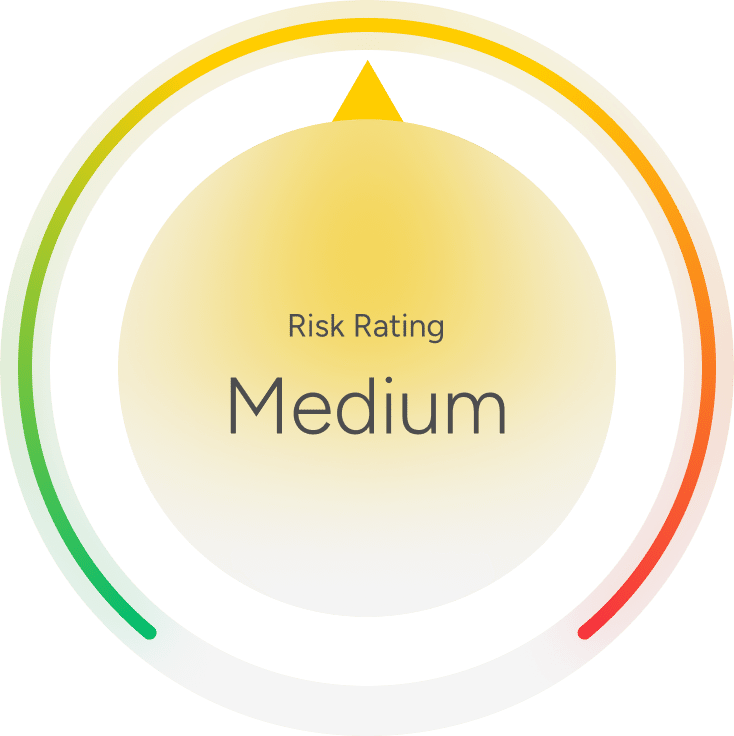
MediumRationale:
In July 2024, Six Flags merged with Cedar Fair, forming Six Flags Entertainment Corporation. Prior to the merger, Cedar had a history of divisive corporate policies and practices. It is unclear whether these causes or policies were retained, modified, or discontinued by Six Flags Entertainment Corporation (1). Six Flags integrates ESG into its business practices. From its former ESG webpage: “We endeavor to integrate environmental, social, and governance (ESG) practices that create sustainable economic value to our employees, shareholders, communities, and other stakeholders” (2). The company integrates DEI into its supply chain. From its Vendor Code of Conduct: “Six Flags’ vendors and their representatives are expected to conduct their business activities in full compliance with all applicable laws related to labor and employment and in a manner that honors employees’ rights to freedom of association and collective bargaining, promotes diversity and inclusion, and provides a safe and healthy working environment” (3). Six Flags promotes divisive sex and gender policies. Its Code of Conduct and Ethics requires international vendors to include sexual orientation in their nondiscrimination policy (4). The company has a history of divisive corporate policies and practices. However, in 2024, the company removed DEI and ESG language and policies from its website. To date, the company has not publicly addressed this change, leaving shareholders without clarity regarding the company’s reasoning or future direction (5). However, Six Flags has not publicly canceled customers, suppliers, or vendors based on political views or religious beliefs (6).
Criteria:
Charitable giving (including employee matching programs) policies or practices discriminate against charitable organizations based on views or religious beliefs.
Risk Level:
HighCriteria:
Employment policies fail to protect against viewpoint or other discrimination and/or are ideological in nature.
Risk Level:
HighRationale:
Six Flags offers DEI training to its employees (1). The company appears to prioritize diversity over merit in its recruitment, hiring, leadership composition, and mentorship program. From its former DEI webpage: “We will establish a leadership team that represents the diversity of our marketplace. We are reviewing and updating our recruiting, people planning, and talent management programs to foster more objective processes for all team members. We aspire to have a workforce that represents the population of our markets and to improve leadership representation by hiring and mentoring individuals from those groups who have been underrepresented” (2). The company has a history of divisive corporate policies and practices. However, in 2024, the company removed DEI policies from its website. To date, the company has not publicly addressed this change, leaving shareholders without clarity regarding the company’s reasoning or future direction (3). Six Flags does not provide viewpoint protections for its employees (4).
Corporate Governance and Public Policy
Criteria:
Uses corporate reputation to support causes, organizations, or policies hostile to freedom of expression.
Risk Level:
HighRationale:
Six Flags supports DEI within its business practices, hosting a DEI Council (1). The company supports DEI within its business practices. From its former DEI webpage: “In order to achieve measurable results through sustained commitments, we will integrate diversity and inclusion into our entire business agenda with deliberate actions” (2). Six Flags supports ESG within its business practices. From its former ESG webpage: “We endeavor to integrate environmental, social, and governance (ESG) practices that create sustainable economic value to our employees, shareholders, communities, and other stakeholders” (3). The company has a history of divisive corporate policies and practices. However, in 2024, the company removed DEI and ESG language from its website. To date, the company has not publicly addressed this change, leaving shareholders without clarity regarding the company’s reasoning or future direction (4).
Criteria:
Uses corporate funds to advance ideological causes, organizations, or policies hostile to freedom of expression.
Risk Level:
MediumRelated Companies

Media and Entertainment, Software and Services, Web Browsers

Microsoft

Media and Entertainment
Meta Platforms

Media and Entertainment, Telecommunication Services

AT&T

Cloud & Data Storage, Media and Entertainment, Software and Services, Web Browsers
Alphabet

Media and Entertainment, Telecommunication Services
Comcast

Media and Entertainment, Telecommunication Services
Charter Communications

Media and Entertainment
Walt Disney
Media and Entertainment
Paramount Skydance Corporation

Media and Entertainment
DISH Network

Media and Entertainment
Spotify