
Stryker
Companies who scored 100% on the 2023-2024 Corporate Equality Index.
Companies that likely use Benevity to vet charitable recipients, thereby discriminating against mainstream advocacy organizations through the SPLC's overly broad "Hate List."
Companies who signed the Business Roundtable 2019 Stakeholder Capitalism statement
The biggest 1000 U.S. companies by revenue according to form 10-K.
Companies who are members of the OneTen Coalition, appearing to prioritize diversity over merit in their business practices
Companies that offer so-called transgender healthcare for their employees and covered dependents.



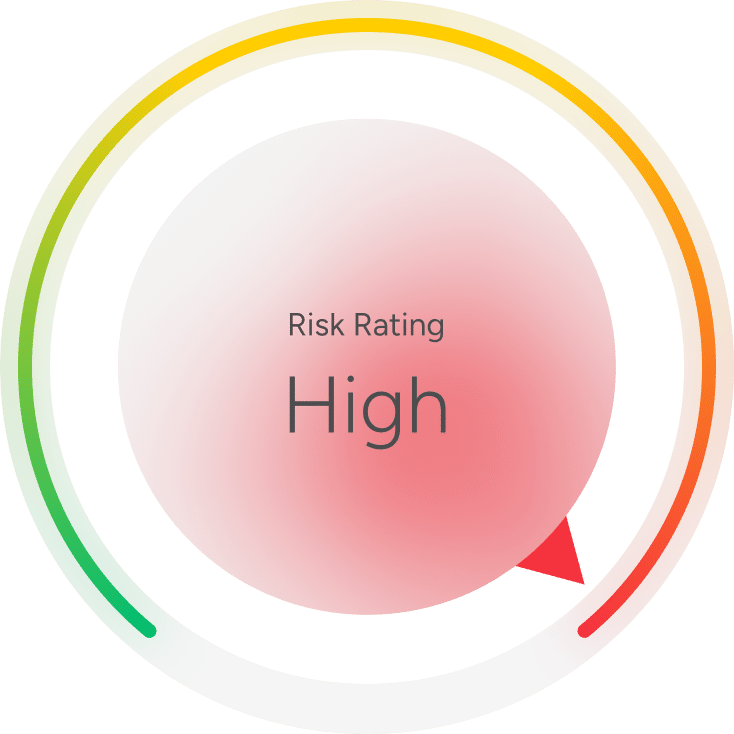
Rating Overview
Rating Criteria
Rating Criteria Detail
Corporate Weaponization
Criteria:
Has canceled customers, suppliers, or vendors due to their political views or religious beliefs OR corporately boycotts, divests, or sanctions regions, people groups, or industries.
Risk Level:
HighRationale:
Stryker received a score of 95 on the 2025 Corporate Equality Index (CEI) from the Human Rights Campaign (HRC), a political stakeholder group. The company recruits employees based on sexual identity issues. The company discriminates against vendors that do not promote divisive sex and gender policies, indicating it prioritizes sexual issues over merit (1)(2). However, the company has not publicly canceled customers, suppliers, or vendors based on political views or religious beliefs (3).
Criteria:
Charitable giving (including employee matching programs) policies or practices discriminate against charitable organizations based on views or religious beliefs.
Risk Level:
HighRationale:
Stryker’s HRC 2025 CEI rating indicates the company will not donate to non-religious charities unless they embrace controversial sexual identity policies (1)(2). The company does likely uses Benevity as its charitable giving platform. Benevity vets charities according to the Southern Poverty Law Center’s Hate List, which includes mainstream libertarian, conservative, family, and religious advocacy organizations (3)(4)(5).
Criteria:
Employment policies fail to protect against viewpoint or other discrimination and/or are ideological in nature.
Risk Level:
HighCorporate Governance and Public Policy
Criteria:
Uses corporate reputation to support causes, organizations, or policies hostile to freedom of expression.
Risk Level:
HighRationale:
Stryker‘s HRC 2025 CEI rating indicates the company agrees to allow a controversial stakeholder group focused on sexual identity issues to dictate marketing or advertising strategy. By doing so, the company risks dividing employees, alienating customers and harming shareholders (1)(2). It’s CEO, Kevin Lobo, signed the Business Roundtable’s 2019 Statement on the Purpose of a Corporation, which promotes stakeholder capitalism over traditional obligations to shareholders (3). The company’s CEO, Kevin Lodo, signed the CEO Action for Diversity & Inclusion pledge, which includes a commitment to promote DEI through bias education training in the workplace (4)(5). Stryker supports DEI within its business practices, employing a DEI Officer (6).
Criteria:
Uses corporate funds to advance ideological causes, organizations, or policies hostile to freedom of expression.
Risk Level:
HighRationale:
Stryker’s HRC 2025 CEI rating indicates the company covers transgender related costs for its employees and their children, including paid short-term leave, puberty blockers, cross-sex hormones, chest surgeries, genital surgeries, medical visits and lab monitoring, travel and lodging. Additionally, the company has pledged philanthropic support of at least one organization or event that promotes sex and gender ideology. By allowing a political stakeholder group to dictate operations, the company increases health care costs and risks dividing employees, alienating customers and harming shareholders (1)(2). Its Allies for Equality group has publicized donations to community Pride events and LGBTA resource centers (3). The company is a coalition member of OneTen, appearing to prioritize diversity over merit in its hiring (4)(5)(6). Stryker is a Platinum Sponsor of Kalamazoo Pride 2026 (7). Otherwise, there are no publicly known cases of the company using corporate funds to advance ideological causes, organizations, or policies (8).
Criteria:
Uses corporate political actions and/or financial contributions for ideological, non-business purposes.
Risk Level:
HighRationale:
Stryker‘s HRC 2025 CEI rating indicates the company publicly advocated for controversial sex and gender ideology through local, state or federal legislation or initiatives. By allowing a political stakeholder group to dictate operations, the company risks dividing employees, alienating customers and harming shareholders (1)(2). The company does not operate a PAC at this time and has not lobbied for ideological purposes (3)(4)(5).
Related Companies

Health Care Equipment and Services

UnitedHealth Group

Health Care Equipment and Services, Insurance
Cigna

Health Care Equipment and Services
Humana

Health Care Equipment and Services
Cencora

Food and Staples Retailing, Health Care Equipment and Services
CVS Health

Food and Staples Retailing, Health Care Equipment and Services
Walgreens Boots Alliance

Health Care Equipment and Services
McKesson

Health Care Equipment and Services

Aetna (Meritain Health)

Health Care Equipment and Services
Cardinal Health

Health Care Equipment and Services
Merck