
Telstra
Rating Overview
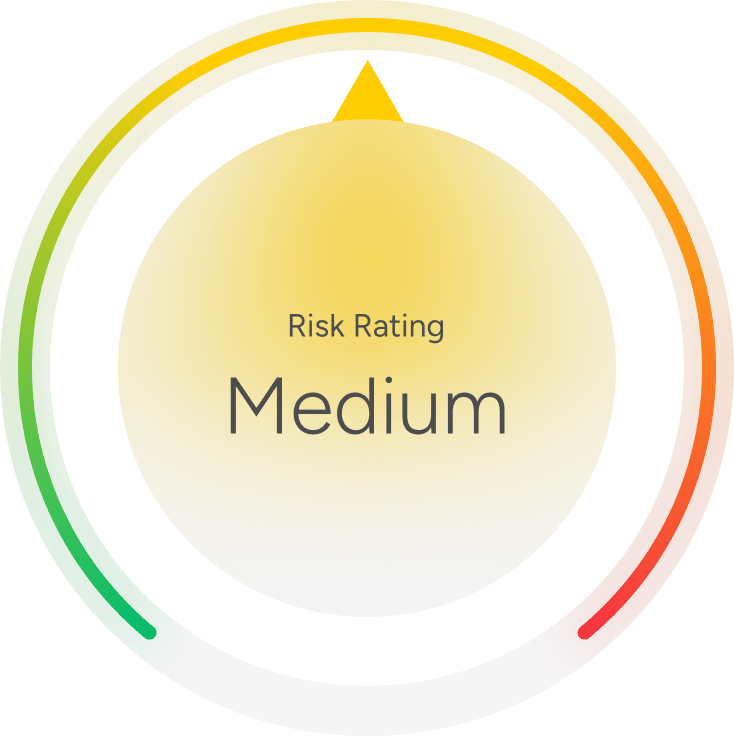
Rating Criteria
Rating Criteria Detail
Corporate Weaponization
Criteria:
Has canceled customers, suppliers, or vendors due to their political views or religious beliefs OR corporately boycotts, divests, or sanctions regions, people groups, or industries.
Risk Level:
MediumRationale:
Telstra is part of the Joint Alliance for Corporate Social Responsibility (JAC), which seeks to “Driv[e] the sustainable transformation of the Information and Communication Technology (ICT) supply chain” through implementing corporate social responsibility while “sharing resources and best practice” with other members. JAC members are encouraged to “take all reasonable endeavours to promote and secure compliance” to its Supply Chain Sustainability Guidelines to their suppliers, subcontractors, and employees. These guidelines ask suppliers to incorporate sexual orientation and gender identity into their nondiscrimination policies, adopt products and services that offer “environmental and social benefits”, and minimize Greenhouse Gas emissions by establishing emissions reduction targets, publicly reporting GHG emissions metrics, and engaging sub-suppliers and their sub-suppliers to drive GHG emission reduction (1)(2). The company integrates ESG into its business practices. From its Supplier Code of Conduct: “At Telstra Group, we expect our suppliers to assist us to achieve our commitment to climate change… Suppliers must identify, monitor, and minimise GHG emissions and energy consumption from their own operations and value chain (scope 1, 2 and 3)” (3). From its Environment and technology webpage: “We’re targeting to reduce our combined scope 1+2 emissions by 70% by 2030, and our scope 3 emissions by 50% by 2030” (4). Telstra integrates DEI into its supply chain. From its Supplier Code of Conduct: “Telstra Group prefers suppliers who promote diversity in their supply chain, including: those who publicly commit to First Nations procurement targets or engage with social enterprises and minority-owned organisations in the delivery of goods and services; those with strong female gender representation, improved gender equality, active promotion of women and targeted action to address overrepresentation of women in departures, and gender pay equity gaps; and those that initiate procurement activities aimed at improving the lives of people with disability or who are disadvantaged” (4). The company promotes divisive sex and gender policies. Its Supplier Code of Conduct requires international vendors to include sexual orientation and gender identity in their nondiscrimination policy (4). However, Telstra has not canceled customers, suppliers, or vendors based on political views or religious beliefs (5).
Criteria:
Charitable giving (including employee matching programs) policies or practices discriminate against charitable organizations based on views or religious beliefs.
Risk Level:
LowerRationale:
Telstra does not appear to discriminate against charitable organizations based on views or beliefs (1).
Criteria:
Employment policies fail to protect against viewpoint or other discrimination and/or are ideological in nature.
Risk Level:
HighRationale:
Telstra appears to prioritize diversity over merit in its business structure through the establishment of gender targets for its hiring and leadership composition . The company is seeking “…to work towards increasing the representation of women in executive leadership, as pledged under the 40:40:20 Vision last year. We extended this ambition to our overall global workforce, seeking 40 per cent female representation, 40 per cent male and 20 per cent any gender by 2030” (1). The company does not provide viewpoint protections for its employees (2).
Corporate Governance and Public Policy
Criteria:
Uses corporate reputation to support causes, organizations, or policies hostile to freedom of expression.
Risk Level:
MediumRationale:
Telstra is aligned with the Paris Agreement, which entails a commitment to net zero carbon emissions by 2050 (1). The company supports DEI within its business practices. From its Diversity, Equity and Inclusion webpage: “To reach every Australian, Telstra needs to take an intersectional, equitable and inclusive approach to everything we do. That’s why our Diversity, Equity and Inclusion approach aims to strengthen workplace inclusion and equity for everyone, embrace the diverse needs of our customers, and centre the voices of marginalised groups” (2). And: “All our staff benefits and policies are fully inclusive and accessible to all employees, including LGBTQ+ employees and their families.” (3). From its Supplier Code of Conduct: “Telstra Group values diversity and inclusion.” (4). Otherwise, Telstra has not supported ideological causes or policies (5).
Criteria:
Uses corporate funds to advance ideological causes, organizations, or policies hostile to freedom of expression.
Risk Level:
HighRationale:
Telstra stated: “Eligible employees who choose to affirm their gender can access eight weeks’ paid leave to take the legal, medical or social steps they need to be who they are.” (1). Telstra is a partner of Minus18, an Australian LGBTQIA+ youth charity that offers companies “tailored corporate packages,” including campaign partnerships and program sponsorship. Minus18’s work includes school workshops, workplace training and eLearning, youth events such as its Queer Formal, digital campaigns, and online articles on sexuality and gender identity. Its strategic plan also prioritizes outreach to specific communities, including trans, gender diverse, and non-binary youth (2)(3)(4)(5). Otherwise, the company has not used corporate funds to advance ideological causes, organizations, or policies (6).
Related Companies

Media and Entertainment, Telecommunication Services
AT&T

Telecommunication Services

Verizon Communications

Telecommunication Services
T-Mobile

Media and Entertainment, Telecommunication Services

Comcast

Media and Entertainment, Telecommunication Services
Charter Communications
Telecommunication Services
Lumen Technologies

Telecommunication Services
Cox Enterprises (Cox Communications)

Data Security, Telecommunication Services
Threema

Data Security, Telecommunication Services
Signal

Data Security, Telecommunication Services
Telegram