TELUS
These companies are committed to leveraging shareholder or investor assets for net-zero emission goals and climate ambitions for GFANZ, Climate Action 100+, CERES, PCAF, UN PRI, NZLA, FIT, or HSCP.
The biggest 3000 companies in the U.S. in the year of 2025.
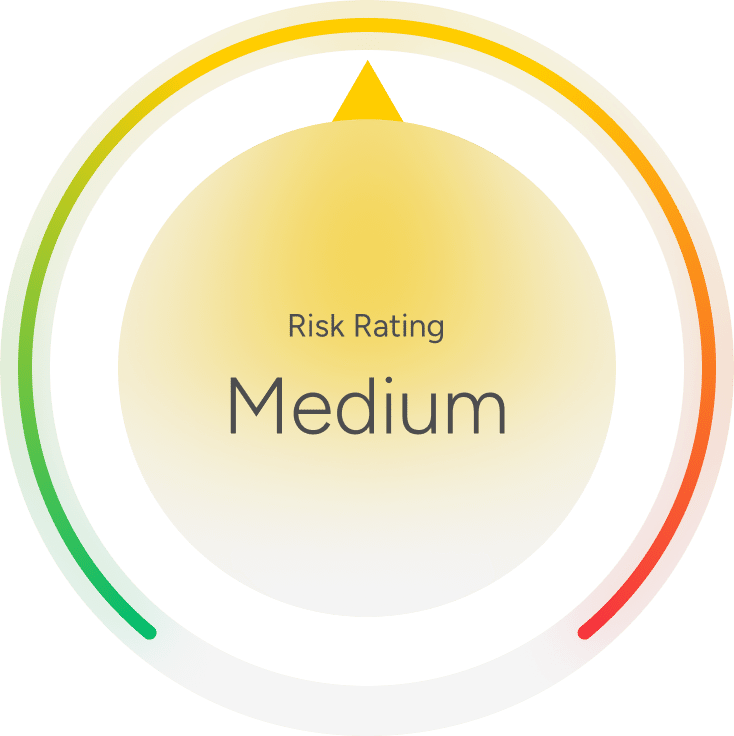
Rating Overview
Rating Criteria
Rating Criteria Detail
Corporate Weaponization
Criteria:
Has canceled customers, suppliers, or vendors due to their political views or religious beliefs OR corporately boycotts, divests, or sanctions regions, people groups, or industries.
Risk Level:
MediumRationale:
TELUS is part of the Joint Alliance for Corporate Social Responsibility (JAC), which seeks to “Driv[e] the sustainable transformation of the Information and Communication Technology (ICT) supply chain” through implementing corporate social responsibility while “sharing resources and best practice” with other members. JAC members are encouraged to “take all reasonable endeavours to promote and secure compliance” to its Supply Chain Sustainability Guidelines to their suppliers, subcontractors, and employees. These guidelines ask suppliers to incorporate sexual orientation and gender identity into their nondiscrimination policies, adopt products and services that offer “environmental and social benefits”, and minimize Greenhouse Gas emissions by establishing emissions reduction targets, publicly reporting GHG emissions metrics, and engaging sub-suppliers and their sub-suppliers to drive GHG emission reduction (1)(2). The company integrates ESG into its business practices. From its 2025 Sustainability and ESG Report: “We link sustainability performance to compensation for all team members through our corporate scorecard, which informs the company-wide performance bonus structure” (3). TELUS integrates ESG into its business practices. From its Sustainability page: “In 2025, we secured Science Based Targets initiative (SBTi) validation for comprehensive climate targets….. Net-zero across our value chain (Scopes 1, 2, and 3) by 2040” (4). Also, from its Supplier Sustainability webpage: “During the tender process, we include a 10% scoring weight to assess the supplier’s ESG program, initiatives and progress” (5). The company integrates DEI into its supply chain. From its Supplier Code of Conduct: “Our suppliers must:… Implement, or expand and increase, their own supplier diversity program” (6). TELUS promotes divisive sex and gender policies. Its Supplier Code of Conduct requires international vendors to include sexual orientation and gender identity in their nondiscrimination policy (7). However, the company has not canceled customers, suppliers, or vendors based on political views or religious beliefs (8).
Criteria:
Charitable giving (including employee matching programs) policies or practices discriminate against charitable organizations based on views or religious beliefs.
Risk Level:
MediumCriteria:
Employment policies fail to protect against viewpoint or other discrimination and/or are ideological in nature.
Risk Level:
HighRationale:
TELUS offers unconscious bias and DEI training to its employees (1)(2). The company appears to prioritize diversity over merit in its supply chain. From its Supplier Diversity webpage: “Our Supplier Diversity and Indigenous Procurement Program reflects this commitment by providing equal access to the projects and services TELUS procures to diverse and Indigenous suppliers” (3). TELUS appears to prioritize diversity over merit in its business structure through the establishment of gender and racial targets for its leadership composition. The company is seeking “At the date of approval of this policy, the Board has confirmed the importance of seeking the following board composition: At least 20% of independent directors who are members of visible minorities, who are Indigenous, or who are persons with disabilities or persons who are members of the LGBTQ2+ community; Women and men each represent at least 40% per cent of independent directors” (4). The company is a member of myGwork, a professional job and networking platform that connects employers with LGBTQ+ professionals and advances workplace diversity and inclusion initiatives. Corporate membership benefits vary by level and include LGBTQ+-focused services in areas such as talent recruitment, job postings, employer branding, employee engagement, DEI programming and training, and media exposure (5)(6)(7). TELUS does not provide viewpoint protections for its employees (8).
Corporate Governance and Public Policy
Criteria:
Uses corporate reputation to support causes, organizations, or policies hostile to freedom of expression.
Risk Level:
HighRationale:
TELUS is committed to net zero emissions by 2040 (1). The company supports DEI within its business practices, employing a Chief Diversity and Inclusion Officer (2). TELUS supports DEI within its business practices. From its 2025 Sustainability and ESG Report: “D&I principles are deeply embedded in who we are, what we do and how we work” (3). The company supports ESG within its business practices. From its Social Impact webpage: “As a member of the TELUS family, we have a long-standing tradition of incorporating ESG considerations into our business operations” (4). The company hosted a “Drag Story Hour” which provided “a platform for drag performers to share their stories and inspire children and adults (5).
Criteria:
Uses corporate funds to advance ideological causes, organizations, or policies hostile to freedom of expression.
Risk Level:
LowerRationale:
TELUS has not used corporate funds to advance ideological causes, organizations, or policies (1).
Related Companies

Media and Entertainment, Telecommunication Services
AT&T
Telecommunication Services

Verizon Communications
Telecommunication Services
T-Mobile

Media and Entertainment, Telecommunication Services

Comcast

Media and Entertainment, Telecommunication Services
Charter Communications
Telecommunication Services
Lumen Technologies

Telecommunication Services
Cox Enterprises (Cox Communications)

Data Security, Telecommunication Services
Threema

Data Security, Telecommunication Services
Signal

Data Security, Telecommunication Services
Telegram