Vodafone
These companies are committed to leveraging shareholder or investor assets for net-zero emission goals and climate ambitions for GFANZ, Climate Action 100+, CERES, PCAF, UN PRI, NZLA, FIT, or HSCP.
Companies who were members of the Global Alliance for Responsible Media, which subjectively demonetized advertisements and suppressed content to stifle mainstream perspectives online
Rating Overview
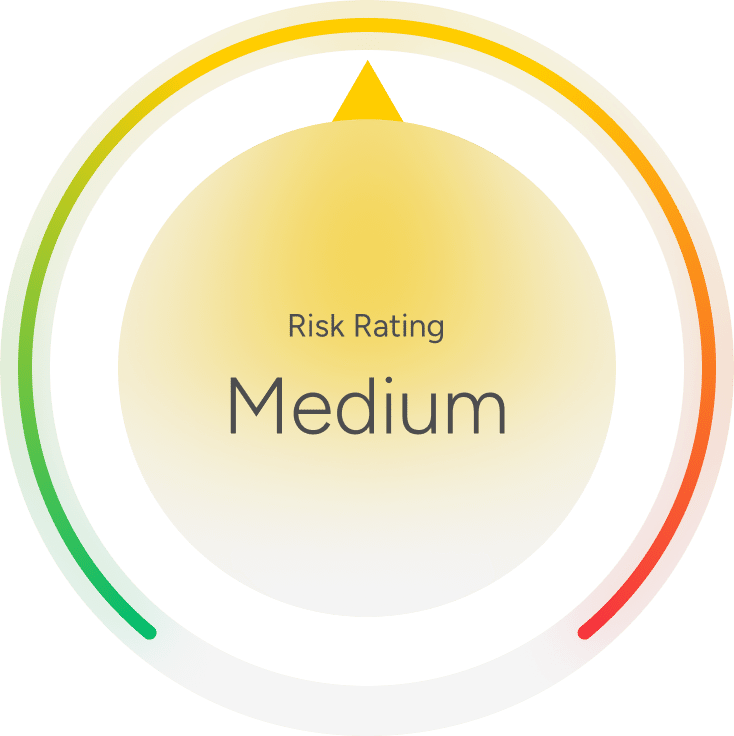
Rating Criteria
Rating Criteria Detail
Corporate Weaponization
Criteria:
Has canceled customers, suppliers, or vendors due to their political views or religious beliefs OR corporately boycotts, divests, or sanctions regions, people groups, or industries.
Risk Level:
MediumRationale:
Vodafone was a member of the Global Alliance for Responsible Media, which demonetized and suppressed content that it deemed to spread “hate speech” or “misinformation”, discuss “debated social issues in a negative or partisan context”, or “vilif[y]” individuals based on sexual orientation and gender identity. These arbitrary guidelines were used to censor mainstream perspectives online (1)(2)(3). The company is part of the Joint Alliance for Corporate Social Responsibility (JAC), which seeks to “Driv[e] the sustainable transformation of the Information and Communication Technology (ICT) supply chain” through implementing corporate social responsibility while “sharing resources and best practice” with other members. JAC members are encouraged to “take all reasonable endeavours to promote and secure compliance” to its Supply Chain Sustainability Guidelines to their suppliers, subcontractors, and employees. These guidelines ask suppliers to incorporate sexual orientation and gender identity into their nondiscrimination policies, adopt products and services that offer “environmental and social benefits”, and minimize Greenhouse Gas emissions by establishing emissions reduction targets, publicly reporting GHG emissions metrics, and engaging sub-suppliers and their sub-suppliers to drive GHG emission reduction (4)(5). Vodafone integrates ESG into its business practices. From its Our Approach To ESG webpage: “We embed our ESG pillars and goals everywhere we operate around the world” (6). The company integrates ESG into its business practices. From its Reponsible Supply Chain webpage: “We will evaluate suppliers on their commitments to safety, diversity and inclusion and the environment when they tender for new work, to ensure that our supply chain contributes towards our 2040 net zero goal” (7). Vodafone integrates DEI into its supply chain. From its Responsible Supply Chain webpage: suppliers must commit to “target 40% gender equality at leadership and company level” and “having a supplier diversity program” (8). However, the company has not canceled customers, suppliers, or vendors based on political views or religious beliefs (9).
Criteria:
Charitable giving (including employee matching programs) policies or practices discriminate against charitable organizations based on views or religious beliefs.
Risk Level:
LowerRationale:
Vodafone Foundation does not appear to discriminate against charitable organizations based on views or beliefs (1).
Criteria:
Employment policies fail to protect against viewpoint or other discrimination and/or are ideological in nature.
Risk Level:
HighRationale:
Vodafone requires its employees to take allyship and other DEI training (1). The company appears to prioritize diversity over merit in its business structure through the establishment of gender and racial targets for its leadership composition. The company is seeking “40% of women in management roles” and “25% of ethnically diverse senior leadership by 2030” (2). Vodafone appears to prioritize diversity over merit in its supply chain. From its Responsible Supply Chain webpage: “Vodafone aims to increase diversity and inclusion within its supply chain through partnering with other organisations and increasing the opportunities available to diverse suppliers” (3). VodaFoneThree is a member of myGwork, a professional job and networking platform that connects employers with LGBTQ+ professionals and advances workplace diversity and inclusion initiatives. Corporate membership benefits vary by level and include LGBTQ+-focused services in areas such as talent recruitment, job postings, employer branding, employee engagement, DEI programming and training, and media exposure (4)(5)(6).
The company does not provide viewpoint protections for its employees (7).
Corporate Governance and Public Policy
Criteria:
Uses corporate reputation to support causes, organizations, or policies hostile to freedom of expression.
Risk Level:
HighRationale:
Vodafone is committed to net zero carbon emissions by 2040 (1). Vodafone’s CEO Margherita Della Valle signed the European Green Digital Coalition (EGDC) Declaration, committing the company to invest in green digital solutions, engage with organizations to develop environmental assessment methodologies, and promote cross-sectoral dialogue on green digital deployment. Furthermore, membership in the Coalition requires the company to establish science-based targets for reducing GHG emissions by 2030 and achieving climate neutrality or net-zero status no later than 2040 (2)(3)(4). The company provides workshops on “allyship” and offers “transitioning guidance” to its employees (5). Vodafone is a member of Change The Face, which seeks to “boost diversity and eradicate bias in the tech industry” through commitments to DEI in internal and external business practices (6). The company supports DEI within its business practices. From its 2025 Annual Report: “We believe that embedding equity and inclusion to enable diversity is important to achieving these goals” (7). Vodafone supports ESG within its business practices. From its Our Approach To ESG webpage: “We address Environmental, Social and Governance (ESG) topics through our mission, with the goal of enabling an inclusive, sustainable and trusted digital society” (8).
Criteria:
Uses corporate funds to advance ideological causes, organizations, or policies hostile to freedom of expression.
Risk Level:
MediumRationale:
Vodafone partnered with Stonewall and Galop to launch Zoteria,wich “enables people to report hate crime incidents” and “access support from LGBTQ+ charities” (1)(2)(3). Otherwise, there are no publicly known cases of the company using corporate funds to advance ideological causes, organizations, or policies (4).
Related Companies

Media and Entertainment, Telecommunication Services
AT&T
Telecommunication Services
Verizon Communications
Telecommunication Services
T-Mobile

Media and Entertainment, Telecommunication Services
Comcast

Media and Entertainment, Telecommunication Services
Charter Communications
Telecommunication Services
Lumen Technologies

Telecommunication Services
Cox Enterprises (Cox Communications)

Data Security, Telecommunication Services
Threema

Data Security, Telecommunication Services
Signal

Data Security, Telecommunication Services
Telegram