Oregon
27 Companies Headquartered in Oregon
Bi-Mart, Cambia Health Solutions, Columbia Sportswear Company, Consumer Cellular, Daimler Trucks North America, Digimarc Corporation, Emburse (Certify), ESS Tech, Expensify, Hydro Flask
Oregon Average CBR Summary
Avg. Company Rating
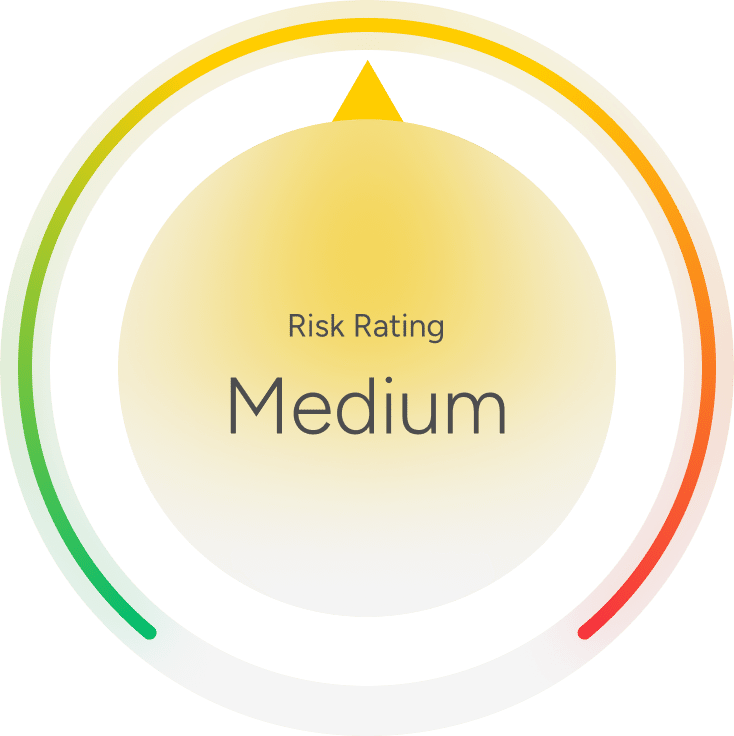
Avg. Rating Criteria
| Criteria | Risk Level |
|---|---|
| Cancellations | Medium Risk |
| Discriminatory Philanthropy | Medium Risk |
| Employment Protection | High Risk |
Corporate Weaponization
| Criteria | Risk Level |
|---|---|
| Advocacy Bias | Medium Risk |
| Funding | Medium Risk |
| Political Actions | Medium Risk |
Corporate Governance and Public Policy
State Leadership
State Pension Fund Summary
Oregon has one main public pension system: the Public Employees Retirement System (PERS). The investments of PERS are handled by the Oregon Investment Council (OIC) in the Oregon Public Employees Retirement Fund (OPERF).
- The OIC board consists of 6 members: 2 Ex Officio (State Treasurer, Director of PERS); 4 members are appointed by the Governor.
- The Oregon State Treasury discloses the proxy voting records for directly held equities of PERS on this website.
- PERS uses Glass Lewis for its proxy advisory services.
- The Oregon State Treasury does not disclose its general investment consultant in its 2024 Annual Report.
- Oregon operates the Common School Fund, the state’s education sovereign wealth fund: when Oregon was admitted to the Union in 1859, the federal government granted nearly 3.4 million acres of land to help fund schools, and approximately 681,000 acres of school lands remain; revenue from Oregon-owned waterways also goes to the Common School Fund, as does interest earned by unclaimed property. The Fund was valued at $2.38 billion as of February 2025, achieved a 9.7 percent return in 2024, and distributed a record $76.8 million to schools in 2025, with a maximum annual distribution rate of 3.5 percent of the Fund.
- Established by the Oregon Constitution in 1859, the State Land Board oversees the Common School Fund and has been composed of the Governor, Secretary of State, and State Treasurer throughout its history. The Department of State Lands administers the school lands, while the State Treasurer and the Oregon Investment Council direct the actual investment of the Fund.
- Like the pension funds above, the Common School Fund holds public equities — it is invested in a mix of assets, including stocks, bonds, private equity, and real estate — making its proxy voting record a relevant indicator of how Oregon leverages its sovereign wealth in support of or against ESG principles.
- Note: The data below on state voting does not include the votes cast through the public equities of Oregon’s Sovereign Wealth Fund.
The “By Asset Manager” and “Asset Manager Voting” tables show the proxy voting records of the state’s asset managers who manage the pensions’ stock market portfolio through index, exchange-traded, or mutual funds. Since these are externally managed funds, the asset managers typically retain and exercise proxy voting privileges. This data is used to calculate the state’s pro-ESG and anti-ESG scores to see how the state leverages its externally managed funds in proxy voting.
The “State Voting” table shows PERS’ proxy voting records for directly owned securities through pension fund portfolios. The 1792 Exchange commends PERS for publicly disclosing this information online for its pensioners.
Both tables are important to show a comprehensive picture of the state’s proxy voting record.