Louisiana
18 Companies Headquartered in Louisiana
Adams and Reese LLP, Amedisys Inc., Anedot, APTIM, Blue Cross & Blue Shield of Louisiana, Bollinger Shipyards, Business First Bancshares, Cleco Corporate Holdings, Entergy, Galloway, Johnson, Tompkins, Burr & Smith
Louisiana Average CBR Summary
Avg. Company Rating
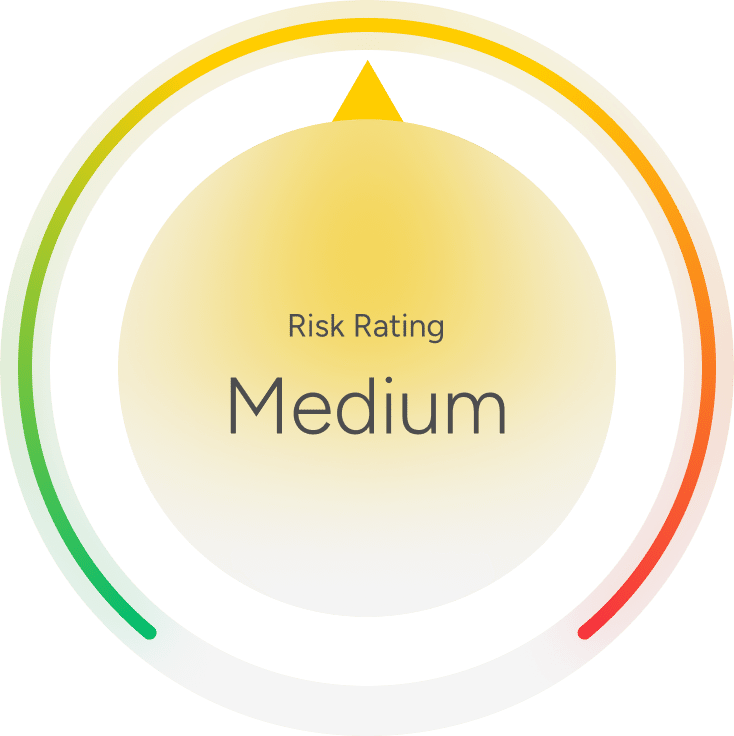
Avg. Rating Criteria
| Criteria | Risk Level |
|---|---|
| Cancellations | Lower Risk |
| Discriminatory Philanthropy | Medium Risk |
| Employment Protection | High Risk |
Corporate Weaponization
| Criteria | Risk Level |
|---|---|
| Advocacy Bias | Medium Risk |
| Funding | Medium Risk |
| Political Actions | Medium Risk |
Corporate Governance and Public Policy
State Leadership
State Pension Fund Summary
Louisiana has five main public pension funds: the Teachers’ Retirement System of Louisiana (TRSL), the Louisiana State Employees’ Retirement System (LASERS), the Firefighters Retirement System of Louisiana (FRS), the Municipal Employees Retirement System of Louisiana (MERS), and the Louisiana State Police Retirement System (LSPRS).
- The TRSL board represents public teachers and consists of 17 members: 12 elected by TRSL members or retirees; 4 Ex Officio (State Superintendent of Education, State Treasurer, Chair of the Senate Retirement Committee, and Commissioner of the Division of Administration); 1 appointed by the House Speaker.
- According to its 2025 Annual Comprehensive Financial Report, the TRSL’s general investment consultants are Aon Investments, SageView and Mercer.
- The LASERS board represents all eligible state and local government employees; the board consists of 13 members: 4 Ex Officio (State Treasurer, Commissioner of Administration, Chair of the Louisiana Senate Retirement Committee, and a member of the Louisiana House of Representatives Retirement Committee appointed by the Speaker of the House); 6 elected by active members; 3 elected by retirees.
- According to its 2025 Annual Comprehensive Financial Report, LASERS’ general investment consultant is NEPC.
- According to a FOIA request, LASERS uses ISS for its proxy advisory services.
- The FRS board represents all eligible Louisiana firefighters, fire chiefs, and participating municipal personnel; the board consists of 13 members: 4 Ex Officio (State Treasurer or his designee, Commissioner of Administration or his designee, Chairman of the Senate Committee on Retirement or his designee, and a member of the House Committee on Retirement appointed by the Speaker or the member’s designee); 5 association representatives (2 from the Professional Fire Fighters Association and 3 from the Louisiana Fire Chiefs Association); 2 mayors appointed by the Louisiana Municipal Association; and 2 retirees who are elected by retirees.
- According to its 2025 Comprehensive Annual Financial Statement, FRS’ general investment consultant is NEPC.
- The MERS board represents municipal employees and consists of 11 members: 5 members elected by the MERS’ active membership; 1 retired member of MERS’ elected by the MERS’ retiree membership; 1 member of the House Retirement Committee appointed by the Speaker of the House; 4 Ex Officio (the President of the Louisiana Municipal Association (LMA), the Chairman of the Senate Retirement Committee, the State Treasurer, and the Commissioner of Administration).
- According to an January 2026 Performance Report, MERS’ general investment consultant is Meketa.
- The LSPRS board consists of 11 members: 3 Ex Officio (State Treasurer, Speaker of the House of Representatives, Commissioner of the DOA); 8 members elected by LSPRS members and retirees to serve five-year, staggered terms.
- According to its 2025 Annual Report, the LSPRS’ general investment consultant is Meketa.
- Louisiana operates the Kevin P. Reilly, Sr. Louisiana Education Quality Trust Fund (LEQTF), commonly known as the “8(g)” fund, which was established in 1986 in the state constitution by Louisiana voters and seeded in 1987 when $540.7 million went into the LEQTF from an oil and gas royalty settlement with the federal government. As of June 30, 2025, the LEQTF investments market value reached $1.777 billion.
- Unlike other state funds, the LEQTF has no separate board of trustees: under Article VII, Section 10.1 of the state constitution, the fund “shall be invested by the treasurer,” and the Act established as beneficiaries the Board of Elementary and Secondary Education (BESE) and the Board of Regents, which direct how annual earnings are spent. A 1994 constitutional amendment provides that a portion of money in the Permanent Trust Fund, not to exceed thirty-five percent, may be invested in stock.
- The LEQTF holds public equities directly — equity securities made up 35.91% of the portfolio as of June 30, 2025 — making its proxy voting record a relevant indicator of how Louisiana leverages its sovereign wealth in support of or against ESG principles. (A May 2026 ballot measure to dissolve the fund, Amendment 3, was defeated with 58.04% voting no, so the fund remains intact.)
- Note: The data below on state voting does not include the votes cast through the public equities of Louisiana’s Sovereign Wealth Fund.
The “By Asset Manager” and “Asset Manager Voting” tables show the proxy voting records of the state’s asset managers who manage the pensions’ stock market portfolio through index, exchange-traded, or mutual funds. Since these are externally managed funds, the asset managers typically retain and exercise proxy voting privileges. This data is used to calculate the state’s pro-ESG and anti-ESG scores to see how the state leverages its externally managed funds in proxy voting.
The “State Voting” table shows LASERS’ proxy voting records for directly owned securities through pension fund portfolios. This data was obtained by a Freedom of Information Act (FOIA) request since Louisiana does not publicly disclose this information to its pensioners. The 1792 Exchange encourages Louisiana to publish its proxy voting records instead of keeping its pensioners in the dark about how the state votes on ESG issues with their money.
Both tables are important to show a comprehensive picture of the state’s proxy voting record.