
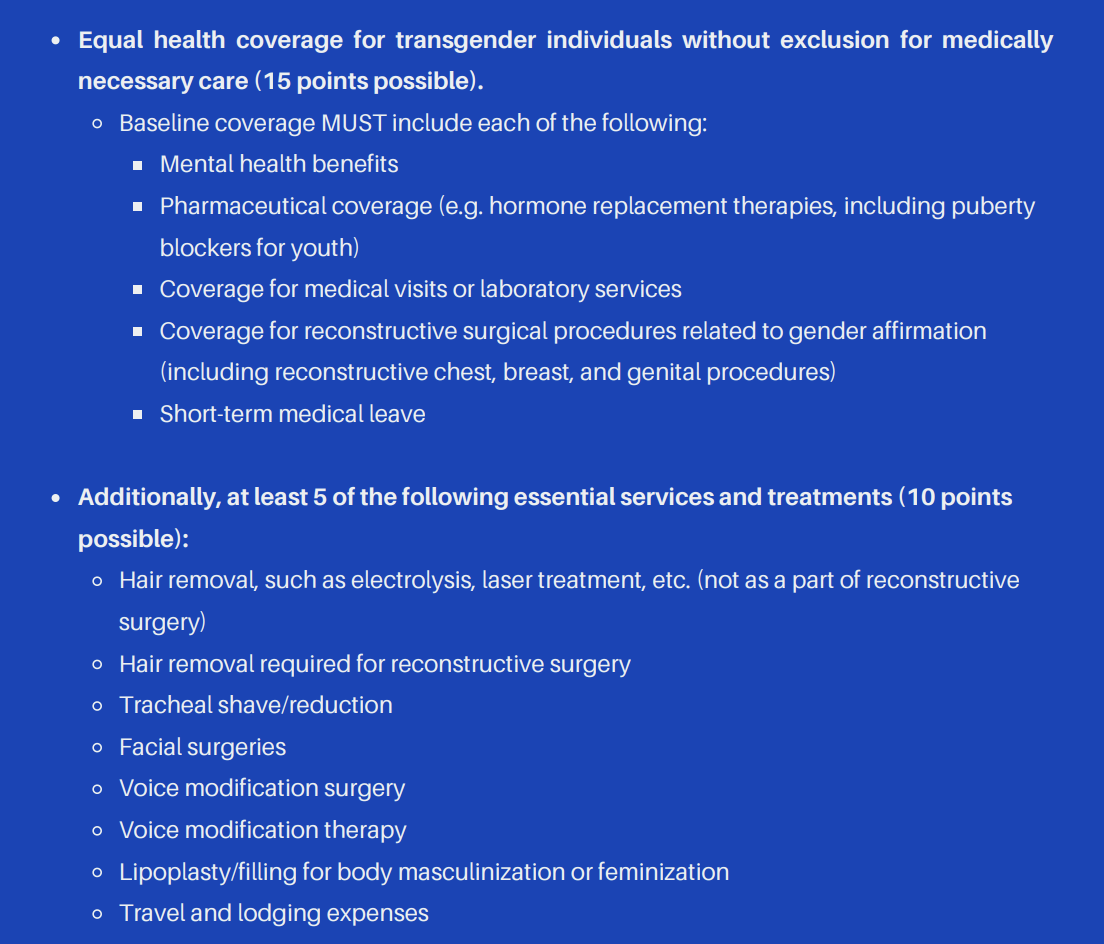
According to reports earlier this month, Starbucks is ending GLP-1 coverage for its employees. Under its new healthcare plan, Starbucks will no longer cover prescription drugs used for weight loss, but it will continue to cover comprehensive transgender healthcare interventions, including reconstructive surgical procedures and puberty blockers, for covered dependents.
Employers are pulling back on GLP-1 coverage largely for the same reason they are reconsidering other benefits: to adjust to rising healthcare costs. RxBenefits reports that GLP-1 drugs cost roughly $1,000–$1,500 per month, while SHRM estimates employers often shoulder 70–100% of prescription drug costs.
With GLP-1s now accounting for around 20% of prescription drug spending and the number of users accelerating, employers face a limited set of choices: tighten eligibility requirements, shift more of the cost to employees or customers, or eliminate coverage altogether.
If companies can reasonably reconsider GLP-1 coverage because of cost, uncertain return on investment, and broader questions over what an employer-sponsored health plan should cover, why should other expensive medical benefits, such as transgender medical interventions, be exempt from similar scrutiny?
According to February 2026 data from the Human Rights Campaign, more than 550 major companies, including Starbucks, offer comprehensive transgender healthcare benefits to employees and covered dependents. While the HRC Foundation claims the total cost of transgender-specific care for one person is often between $25,000 and $75,000 total, that estimate does not capture the cost of ongoing treatments associated with some interventions, such as puberty blockers.
Common estimates place the annual cost of puberty blockers at as much as $25,000, making transgender healthcare more costly than many common medical interventions. That is before factoring in the cost of surgical procedures such as a phalloplasty, which can range from $20,000 to $150,000; facial feminization surgery, which can cost $20,000 to $50,000; or voice feminization surgery, which can cost $5,000 to $9,000.
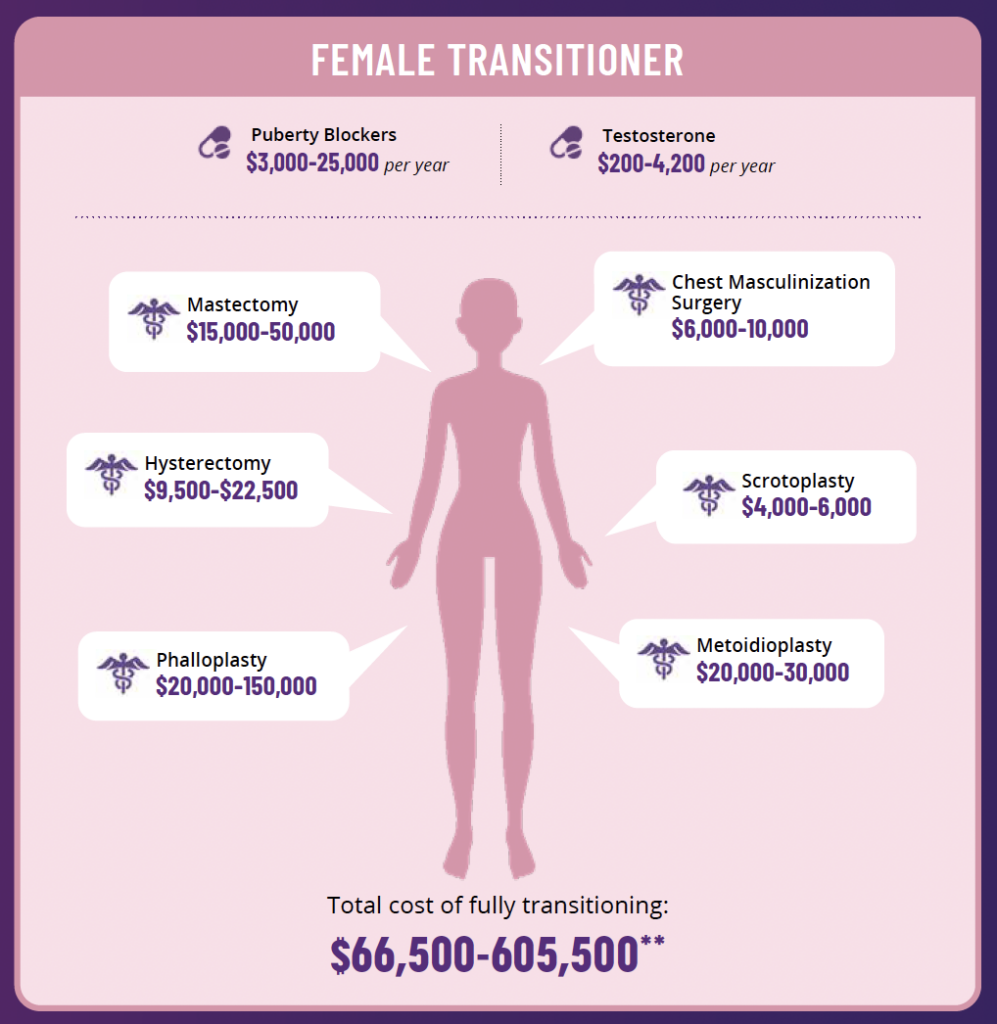
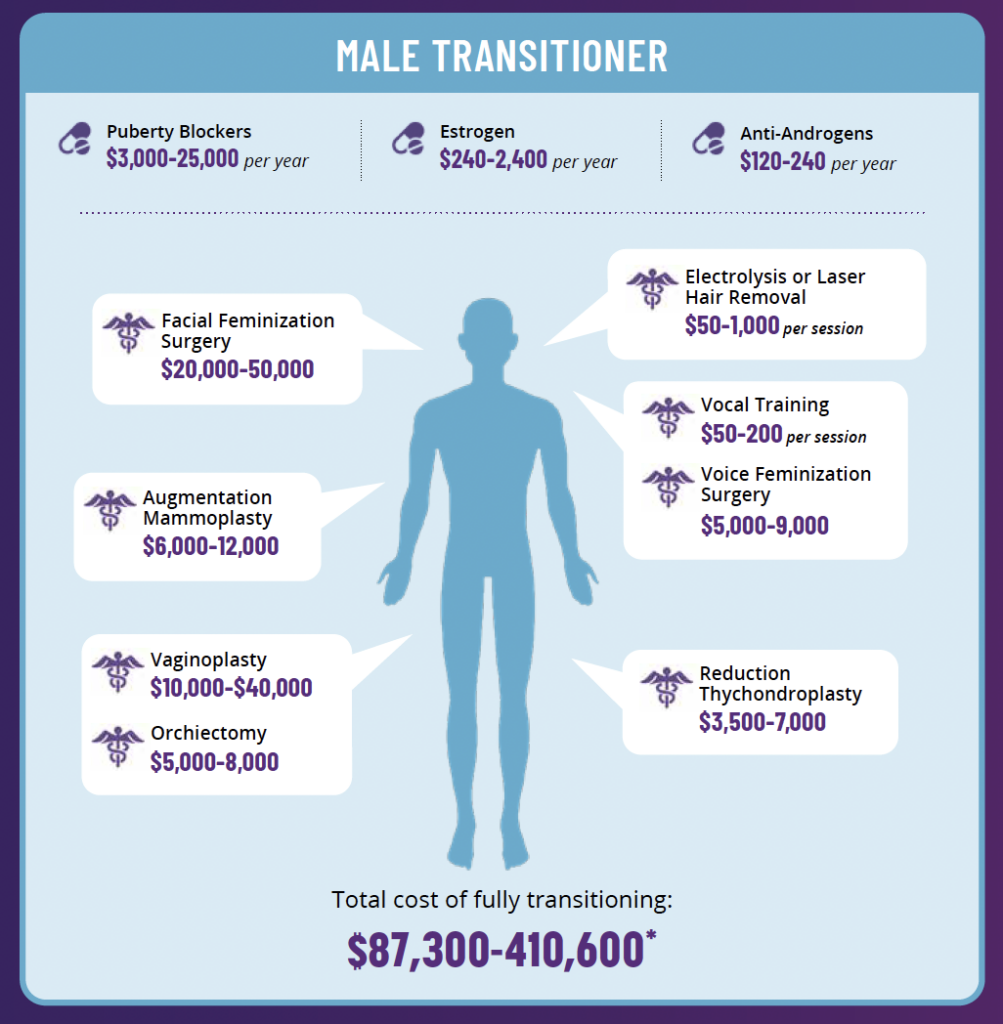
Medical gender interventions for minors are not only costly, but they are experimental and remain the subject of significant medical, ethical, and political controversy. In fact, over 24 states have enacted laws restricting or prohibiting transgender surgeries for minors. Even major medical organizations have recently revisited aspects of medical gender interventions for minors, and major medical organizations have recently revisited their recommendations on these interventions.
In February 2026, the American Society for Plastic Surgeons said there is “insufficient evidence demonstrating a favorable risk-benefit ratio for the pathway of gender-related endocrine and surgical interventions in children and adolescents.” That same month, the American Medical Association said that “gender-related care should usually be deferred until patients are adults.”
This controversy has extended into the corporate sphere as well. Companies like Walmart and Charles Schwab have adopted explicit carveouts for certain transgender medical procedures involving minors, drawing praise from those who argue that employers should remain neutral on contested social issues.
Companies reviewing GLP-1 coverage should apply the same scrutiny to transgender healthcare benefits, particularly as emerging research raises new questions about both the financial costs and potential harms associated with these interventions. If cost and ROI are legitimate considerations when evaluating one expensive category of healthcare, they should be legitimate considerations when evaluating another.