Canadian Imperial Bank of Commerce (CIBC)
Companies provide a benefit package for employees which covers travel/lodging costs for an abortion.
These companies are committed to leveraging shareholder or investor assets for net-zero emission goals and climate ambitions for GFANZ, Climate Action 100+, CERES, PCAF, UN PRI, NZLA, FIT, or HSCP.
Companies that offer so-called transgender healthcare for their employees and covered dependents.


Rating Overview
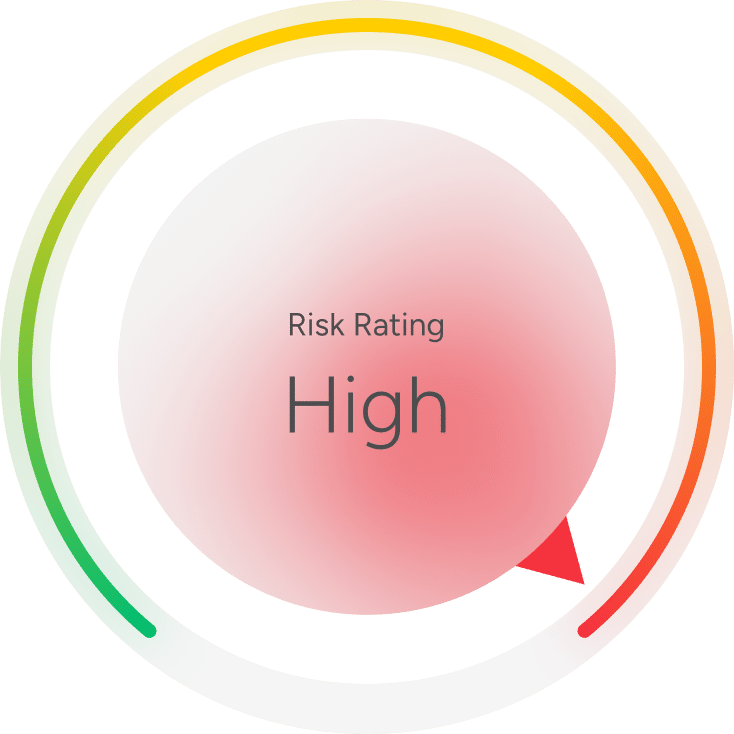
Rating Criteria
Rating Criteria Detail
Corporate Weaponization
Criteria:
Has canceled customers, suppliers, or vendors due to their political views or religious beliefs OR corporately boycotts, divests, or sanctions regions, people groups, or industries.
Risk Level:
HighRationale:
In 2020, CIBC announced that it would not directly finance new oil and gas exploration and development in the Arctic region, including the Arctic National Wildlife Refuge, according to its internal policies and publicly available statements. This commitment reflects increasing integration of environmental and social risk considerations into financing decisions related to Arctic oil and gas development (1)(2)(3). CIBC received a score of 90 on the 2025 Corporate Equality Index (CEI) from the Human Rights Campaign (HRC), a political stakeholder group. The company recruits employees based on sexual identity issues. The company discriminates against vendors that do not promote divisive sex and gender policies, indicating it prioritizes sexual issues over merit (4)(5). However, CIBC has not canceled customers, suppliers, or vendors based on political views or religious beliefs (6).
Criteria:
Charitable giving (including employee matching programs) policies or practices discriminate against charitable organizations based on views or religious beliefs.
Risk Level:
HighCriteria:
Employment policies fail to protect against viewpoint or other discrimination and/or are ideological in nature.
Risk Level:
HighRationale:
CIBC’s HRC 2025 CEI rating indicates the company forces employees to attend multiple, controversial trainings on gender identity, sexual orientation, transgender issues, and divisive racial ideology (1)(2). CIBC has instituted initiatives to emphasize race in hiring. From its 2021 Sustainability Report: “Employment opportunities are set aside for Black people including committing to specific hiring goals of at least 5% within our student workforce from the Black community” and mandatory diversity training for employees”. CIBC also appears to prioritize diversity over merit in its supply chain. The company “delivered” systemic racism and indigenous peoples reconciliation training for all its employees. It also offers implicit bias, unconscious bias, and microaggression training. CIBC “delivers” anti-bias training to its leadership (3). The company’s President and CEO signed Catalyst’s Champions for Change pledge, indicating its support of DEI in its leadership composition through the establishment of gender and racial targets (4)(5). CIBC does not publish a nondiscrimination policy (6)(7).
Corporate Governance and Public Policy
Criteria:
Uses corporate reputation to support causes, organizations, or policies hostile to freedom of expression.
Risk Level:
HighRationale:
CIBC’s HRC 2025 CEI rating indicates the company agrees to allow a controversial stakeholder group focused on sexual identity issues to dictate marketing or advertising strategy. By doing so, the company risks dividing employees, alienating customers and harming shareholders (1)(2). CIBC’s former CEO, Mike Capatides, signed the CEO Action for Diversity & Inclusion pledge, which includes a commitment to promote DEI through bias education training in the workplace, strategize on DEI programs/initiatives with other signatories, and engage boards of directors when developing and evaluating DEI strategies (3)(4). The bank implemented an “Inclusion & Diversity Champions Program” in which team members get involved “in the I&D conversation while also being empowered to drive solutions“ (5). CIBC is a member of the Partnership for Carbon Accounting Financials, committed to net zero carbon emissions by 2050 (6)(7)(8). The bank was a member of the Net Zero Asset Managers Initiative, committed to carbon neutrality by 2050. However, it withdrew its membership in January 2025 likely over growing concerns of potential antitrust violations (9).
Criteria:
Uses corporate funds to advance ideological causes, organizations, or policies hostile to freedom of expression.
Risk Level:
HighRationale:
CIBC provides a benefits package for employees that covers travel/lodging costs for an abortion (1). The company’s HRC 2025 CEI rating indicates the company covers transgender related costs for its employees and their children, including paid short-term leave, puberty blockers, cross-sex hormones, chest surgeries, genital surgeries, medical visits and lab monitoring, travel and lodging. Additionally, the company has pledged philanthropic support of at least one organization or event that promotes sex and gender ideology. By allowing a political stakeholder group to dictate operations, the company increases health care costs and risks dividing employees, alienating customers and harming shareholders (2)(3). Otherwise, there are no publicly known cases of CIBC using corporate funds to advance ideological causes, organizations, or policies (4).
Criteria:
Uses corporate political actions and/or financial contributions for ideological, non-business purposes.
Risk Level:
HighRationale:
CIBC’s HRC 2025 CEI rating indicates the company publicly advocated for controversial sex and gender ideology through local, state or federal legislation or initiatives. By allowing a political stakeholder group to dictate operations, the company risks dividing employees, alienating customers and harming shareholders (1)(2). CIBC has not used its PAC donations for ideological purposes and does not report on its lobbying at this time (3)(4)(5).
Related Companies

Banks, Diversified Financials

JPMorgan Chase

Banks, Diversified Financials
BMO Harris
Banks, Diversified Financials

Bank of America

Banks
PNC Financial Services Group

Banks, Diversified Financials
Wells Fargo

Banks
Fifth Third Bank (5/3 Bank)

Banks
U.S. Bancorp

Banks
Truist Financial

Banks, Diversified Financials
Capital One Financial

Banks, Diversified Financials
Morgan Stanley