
Essex Property Trust

Rating Overview
Rating Criteria
Rating Criteria Detail
Corporate Weaponization
Criteria:
Has canceled customers, suppliers, or vendors due to their political views or religious beliefs OR corporately boycotts, divests, or sanctions regions, people groups, or industries.
Risk Level:
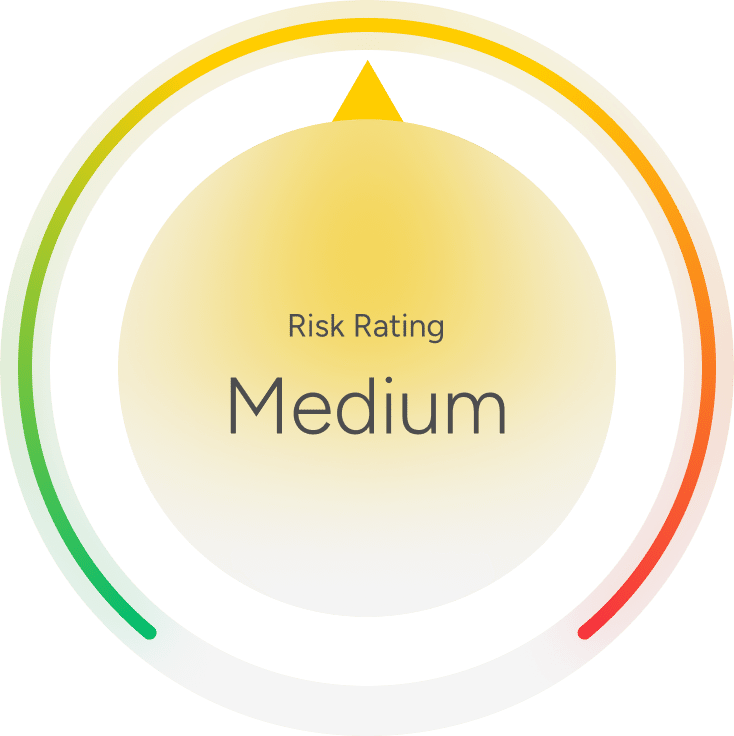
MediumRationale:
Essex integrates ESG into its business practices. From its 2023 ESG Report: “The ESG strategy is embedded in all Essex departments and across the life cycle of our assets” (1). However, in 2025, the company removed ESG language and policies from its Sustainability report. To date, the company has not publicly addressed this change, leaving shareholders without clarity regarding the company’s reasoning or future direction (2). Essex has not publicly canceled customers, suppliers, or vendors based on political views or religious beliefs (3).
Criteria:
Charitable giving (including employee matching programs) policies or practices discriminate against charitable organizations based on views or religious beliefs.
Risk Level:
LowerRationale:
Essex does not appear to discriminate against charitable organizations based on views or beliefs (1).
Corporate Governance and Public Policy
Criteria:
Uses corporate reputation to support causes, organizations, or policies hostile to freedom of expression.
Risk Level:
HighRationale:
Essex’s former CEO, Michael Schall, signed the CEO Action for Diversity & Inclusion pledge, which includes a commitment to promote DEI through bias education training in the workplace (1)(2). The company was recognized by Bloomberg’s Gender Equality Index for gender equality (3). Essex supports ESG within its business practices (4).
Criteria:
Uses corporate funds to advance ideological causes, organizations, or policies hostile to freedom of expression.
Risk Level:
HighRationale:
Essex donated to the Human Rights Campaign (HRC) and the National Urban League. It is also a founding member of Nareit Foundation’s Dividends Through Diversity, Equity & Inclusion Giving Campaign (1). Otherwise, there are no publicly known cases of the company using corporate funds to advance ideological causes, organizations, or policies (2).
Related Companies

Banks, Diversified Financials

BMO Harris

Banks, Diversified Financials

Bank of America

Diversified Financials

Berkshire Hathaway

Banks, Diversified Financials
Capital One Financial

Diversified Financials
American Express
Semiconductors and Semiconductor Equipment
Intel

Diversified Financials
Mastercard

Diversified Financials
Visa

Diversified Financials
Discover Financial Services

Diversified Financials
Fidelity Investments