
Farm Credit East
Rating Overview
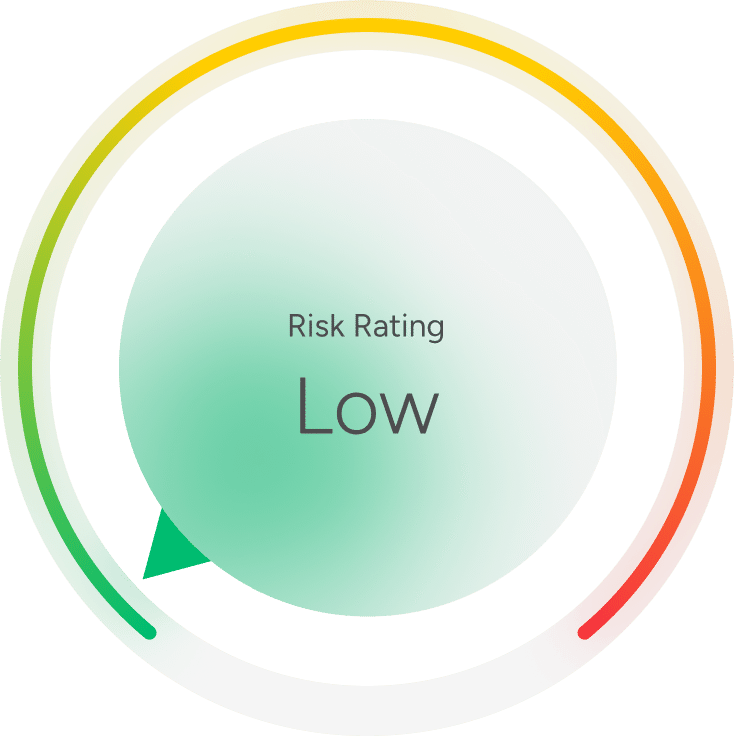
Rating Criteria
Rating Criteria Detail
Corporate Weaponization
Criteria:
Has canceled customers, suppliers, or vendors due to their political views or religious beliefs OR corporately boycotts, divests, or sanctions regions, people groups, or industries.
Risk Level:
LowerRationale:
Farm Credit East has not publicly canceled customers, suppliers, or vendors based on political views or religious beliefs (1).
Criteria:
Charitable giving (including employee matching programs) policies or practices discriminate against charitable organizations based on views or religious beliefs.
Risk Level:
LowerRationale:
Farm Credit East does not appear to discriminate against charitable organizations based on views or beliefs. The company’s charitable giving focus areas are “Northeast rural communities” (1).
Corporate Governance and Public Policy
Criteria:
Uses corporate reputation to support causes, organizations, or policies hostile to freedom of expression.
Risk Level:
HighRationale:
Farm Credit East supports DEI within its business practices. From its Cultivating Success Through Sustainability & Collaboration report: “As Farm Credit East develops its team, it embraces the different skills, talents and experiences each employee brings to the table. To further shed light into these various cultures and experiences, Farm Credit East established Leading Diversity in 2020” (1). The company supports ESG within its business practices. From its Financial Partner Spring 2022: “In our last Financial Partner, we introduced Farm Credit East’s Environmental, Social and Governance (ESG) strategy. As a customer-owned cooperative, ESG is an increasing priority for Farm Credit East, and the governance pillar is one often overlooked when discussing ESG, however it is the one most customer focused” (2).
Criteria:
Uses corporate funds to advance ideological causes, organizations, or policies hostile to freedom of expression.
Risk Level:
LowerRationale:
Farm Credit East has not used corporate funds to advance ideological causes, organizations, or policies (1).
Related Companies
Banks, Diversified Financials

JPMorgan Chase

Banks, Diversified Financials
BMO Harris
Banks, Diversified Financials
Bank of America

Banks
PNC Financial Services Group
Banks, Diversified Financials
Wells Fargo

Banks
Fifth Third Bank (5/3 Bank)

Banks
U.S. Bancorp

Banks
Truist Financial

Banks, Diversified Financials
Capital One Financial

Banks, Diversified Financials
Morgan Stanley