Myriad Genetics
Rating Overview
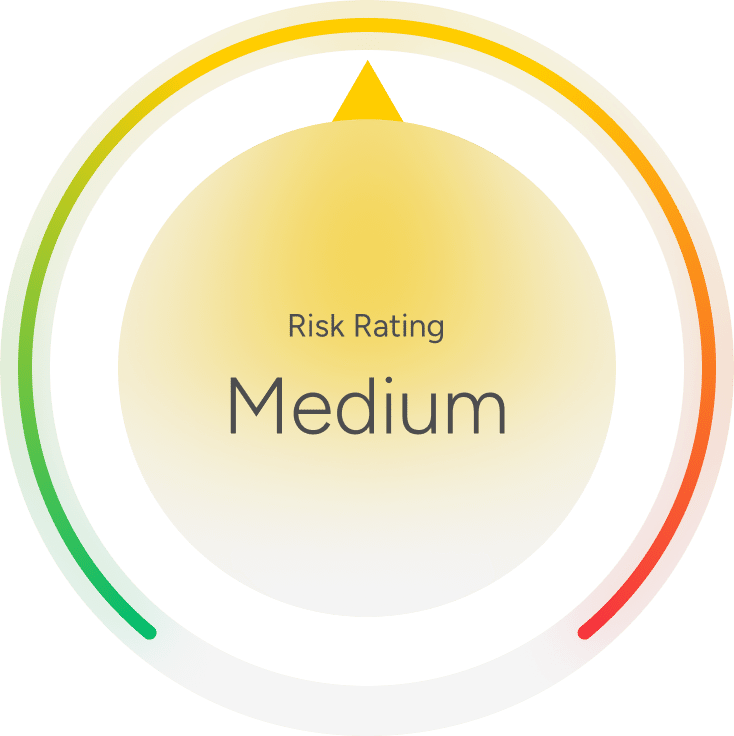
Rating Criteria
Rating Criteria Detail
Corporate Weaponization
Criteria:
Has canceled customers, suppliers, or vendors due to their political views or religious beliefs OR corporately boycotts, divests, or sanctions regions, people groups, or industries.
Risk Level:
MediumRationale:
Myriad Genetics received a score of 60 on the 2026 Corporate Equality Index (CEI) from the Human Rights Campaign (HRC), a political stakeholder group. The company recruits employees based on sexual identity issues. The company discriminates against vendors that do not promote divisive sex and gender policies, indicating it prioritizes sexual issues over merit (1)(2)(3). The company received a score of 30 on the 2025 Corporate Equality Index (CEI) from the Human Rights Campaign (HRC), a political stakeholder group. The company recruits employees based on sexual identity issues. The company discriminates against vendors that do not promote divisive sex and gender policies, indicating it prioritizes sexual issues over merit (4)(5). Myriad Genetics integrates DEI into its supply chain. From its Supplier Code of Conduct: suppliers are expected to “To maximize opportunities to individuals of ethnic minorities or who are socially disadvantaged (i.e., an individual who is likely to be subjected to gender, racial or ethnic prejudice or cultural bias in society)” (6). However, the company has not canceled customers, suppliers, or vendors based on political views or religious beliefs (7).
Criteria:
Charitable giving (including employee matching programs) policies or practices discriminate against charitable organizations based on views or religious beliefs.
Risk Level:
LowerRationale:
Myriad Genetics does not appear to discriminate against charitable organizations based on views or beliefs (1).
Criteria:
Employment policies fail to protect against viewpoint or other discrimination and/or are ideological in nature.
Risk Level:
HighRationale:
Myriad Genetics’ HRC 2025 CEI rating indicates the company forces employees to attend multiple, controversial trainings on gender identity, sexual orientation, transgender issues, and divisive racial ideology (1)(2). The company appears to prioritize diversity over merit in its hiring and leadership composition. From its 2022 ESG Report: “We strive to create a diverse team that deeply understands the needs of our customers by hiring people from the same backgrounds as our patients” (3). Myriad Genetics supports ESG within its business practices. From its 2022 ESG Report: “As of December 31, 2022, women made up 62% of our workforce and approximately 46% of leadership roles (Vice President and above) at Myriad” (4). The company does not provide viewpoint protections for its employees (5).
Corporate Governance and Public Policy
Criteria:
Uses corporate reputation to support causes, organizations, or policies hostile to freedom of expression.
Risk Level:
HighRationale:
Myriad Genetics’ HRC 2026 CEI rating indicates the company potentially agrees to allow a controversial stakeholder group focused on sexual identity issues to dictate marketing or advertising strategy. By doing so, the company risks dividing employees, alienating customers and harming shareholders (1)(2)(3). The company is a member of the “Don’t Ban Equality” business coalition, which advocates against any abortion restrictions because they are “bad for business” (4). Myriad Genetics supports DEI within its business practices, employing a Head of Diversity, Equity, Inclusion, and Engagement (5). The company supports ESG within its business practices. From its 2022 ESG Report: “we benchmark our activities against others in our sector… to determine the most relevant ESG-related topics for Myriad” (6).
Criteria:
Uses corporate funds to advance ideological causes, organizations, or policies hostile to freedom of expression.
Risk Level:
MediumRationale:
Myriad Genetics’ HRC 2026 CEI rating indicates the company has potentially pledged philanthropic support of at least one organization or event that promotes sex and gender ideology. By allowing a political stakeholder group to dictate operations, the company increases health care costs and risks dividing employees, alienating customers and harming shareholders (1)(2)(3)(4). Otherwise, there are no publicly known cases of the company using corporate funds to advance ideological causes, organizations, or policies (5).
Related Companies

Health Care Equipment and Services

UnitedHealth Group

Health Care Equipment and Services, Insurance
Cigna

Health Care Equipment and Services
Humana

Health Care Equipment and Services
Cencora

Food and Staples Retailing, Health Care Equipment and Services
CVS Health

Food and Staples Retailing, Health Care Equipment and Services
Walgreens Boots Alliance

Health Care Equipment and Services
McKesson

Health Care Equipment and Services

Aetna (Meritain Health)

Health Care Equipment and Services
Cardinal Health

Health Care Equipment and Services
Merck