Regions Financial
These companies are committed to leveraging shareholder or investor assets for net-zero emission goals and climate ambitions for GFANZ, Climate Action 100+, CERES, PCAF, UN PRI, NZLA, FIT, or HSCP.
The biggest 1000 U.S. companies by revenue according to form 10-K.
Companies that offer so-called transgender healthcare for their employees and covered dependents.

Rating Overview
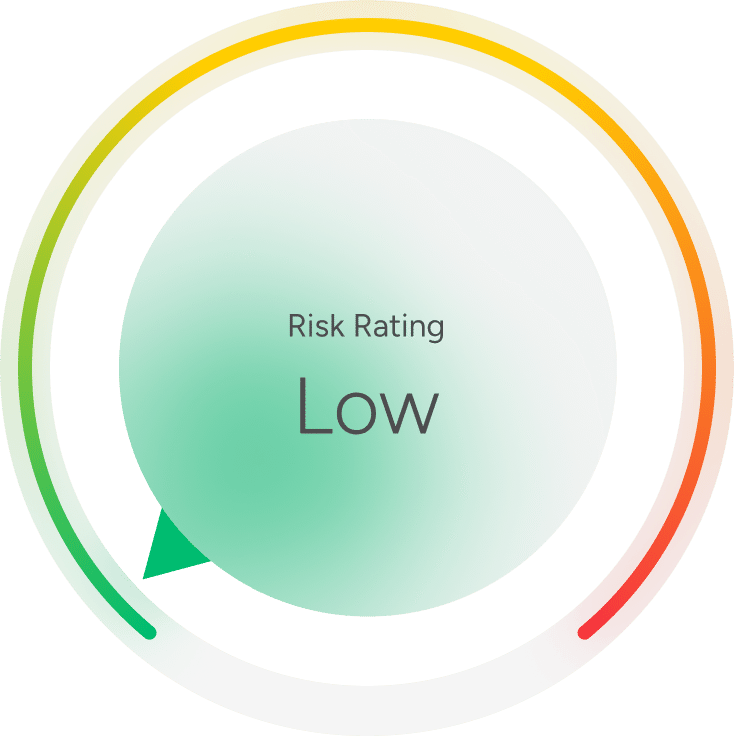
Rating Criteria
Rating Criteria Detail
Corporate Weaponization
Criteria:
Has canceled customers, suppliers, or vendors due to their political views or religious beliefs OR corporately boycotts, divests, or sanctions regions, people groups, or industries.
Risk Level:
LowerRationale:
Regions Financial received a score of 60 on the 2025 Corporate Equality Index (CEI) from the Human Rights Campaign (HRC), a political stakeholder group. The company appeared to recruit employees based on sexual identity issues and discriminate against vendors that do not promote divisive sex and gender policies. However, in July 2025 Regions clarified that it recruits employees and hires vendors “based on merit” and “not based on identity characteristics.” Furthermore, Regions clarified that there are no demographic quotas or goals at Regions and that it “does not engage in preferential treatment and outcomes” (1)(2)(3)(4). Regions claims it “does not actively participate in Corporate Equality Index surveys issued by the Human Rights Campaign and hasn’t done so in years.” However, the HRC Foundation sometimes rates businesses that did not submit a survey “if the business has submitted a survey in previous years and the information is determined to be accurate, or, if the HRC Foundation has obtained sufficient information to provide an individual rating.” In such cases, the HRC Foundation “notified the business of the official rating and gave them an opportunity to provide updates or clarification during the 2025 CEI survey cycle prior to the report release” (5). Regions has not canceled customers, suppliers, or vendors based on political views or religious beliefs (6). Furthermore, after engagement with Inspire Investment, Regions modified its 2024 Shared Value Report to “reinforce its longstanding commitment to building a culture of fairness…” Specifically, Regions pledge to make “financially sound decisions without regard to political or social viewpoint” and to serve “every person, regardless of their political or religious ideologies or affiliations, equally and with dignity and respect” (7).
Criteria:
Charitable giving (including employee matching programs) policies or practices discriminate against charitable organizations based on views or religious beliefs.
Risk Level:
MediumRationale:
Regions Community Engagement Strategic Priorities are Economic and Community Development, Education and Workforce Readiness, and Financial Wellness (1). Regions Financial’s HRC 2025 CEI rating indicates the company will not donate to non-religious charities unless they embrace controversial sexual identity policies (2)(3). Regions does not discriminate against charitable organizations based on views or beliefs. However, it will only give to religious organizations that provide non-sectarian services (4).
Criteria:
Employment policies fail to protect against viewpoint or other discrimination and/or are ideological in nature.
Risk Level:
LowerRationale:
Regions had a history of prioritizing diversity over merit in its business practices. However, in July 2025 Regions clarified that it recruits employees and hires vendors “based on merit” and “not based on identity characteristics.” Further, Regions clarified that there are no demographic quotas or goals at Regions and that it “does not engage in preferential treatment and outcomes” (1)(2). After engagement with Inspire Investment, Regions modified its 2024 Shared Value Report to “reinforce its longstanding commitment to building a culture of fairness.” Specifically, Regions pledge to make “financially sound decisions without regard to political or social viewpoint” and to serve “every person, regardless of their political or religious ideologies or affiliations, equally and with dignity and respect” (3).
Corporate Governance and Public Policy
Criteria:
Uses corporate reputation to support causes, organizations, or policies hostile to freedom of expression.
Risk Level:
MediumRationale:
Regions Financial is a member of the Partnership for Carbon Accounting Financials, committed to net zero carbon emissions by 2050 (1)(2)(3). Regions Bank obtained an official HRC CEI 2025 score of 60. Regions bank claims it “does not actively participate in Corporate Equality Index surveys issued by the Human Rights Campaign and hasn’t done so in years.” However, the HRC Foundation sometimes rates businesses that did not submit a survey “if the business has submitted a survey in previous years and the information is determined to be accurate, or, if the HRC Foundation has obtained sufficient information to provide an individual rating.” In such cases, the HRC Foundation “notified the business of the official rating and gave them an opportunity to provide updates or clarification during the 2025 CEI survey cycle prior to the report release” (4)(5)(6)(7). Regions was a member of the Ceres Network, committed to carbon neutrality by 2040. However, it withdrew its membership in 2025 likely over growing concerns of potential antitrust violations (8)(9)(10).
Criteria:
Uses corporate funds to advance ideological causes, organizations, or policies hostile to freedom of expression.
Risk Level:
HighRationale:
Regions Financial’s HRC 2025 CEI rating indicates the company covers transgender related costs for its employees and their children, including paid short-term leave, puberty blockers, cross-sex hormones, chest surgeries, genital surgeries, medical visits and lab monitoring, travel and lodging. By allowing a political stakeholder group to dictate operations, the company increases health care costs and risks dividing employees, alienating customers and harming shareholders (1)(2). In 2021, Regions Financial donated $14.6 million to promote “racial equity and economic empowerment of communities of color” (3)(4). Otherwise, there are no publicly known cases of Regions using corporate funds to advance ideological causes, organizations, or policies (5).
Criteria:
Uses corporate political actions and/or financial contributions for ideological, non-business purposes.
Risk Level:
LowerRationale:
In February 2023, Regions donated to the Equality PAC (1)(2). However, Regions adopted a new policy on political contributions to clarify that their associates can join one of Regions’ voluntary PACs and “pool their financial resources to support federal and state candidates who support effective legislation important to Regions and its stockholders.” Regions clarified it does not make contributions to “single issue political entities organized under Section 527 of the Internal Revenue Code or to special interest lobbying groups organized under Section 501(c)(4) of the Internal Revenue Code to support political activities, even when legally permissible” (3). Regions has not used its lobbying for ideological purposes (4).
Related Resources
Related Companies

Banks, Diversified Financials

BMO Harris
Banks, Diversified Financials

Bank of America

Banks
PNC Financial Services Group

Banks
Fifth Third Bank (5/3 Bank)

Banks
U.S. Bancorp

Banks
Truist Financial

Banks, Diversified Financials
Capital One Financial
Banks
Fannie Mae

Banks, Government
Freddie Mac

Banks
Rocket Companies