ING Group
These companies are committed to leveraging shareholder or investor assets for net-zero emission goals and climate ambitions for GFANZ, Climate Action 100+, CERES, PCAF, UN PRI, NZLA, FIT, or HSCP.
Rating Overview
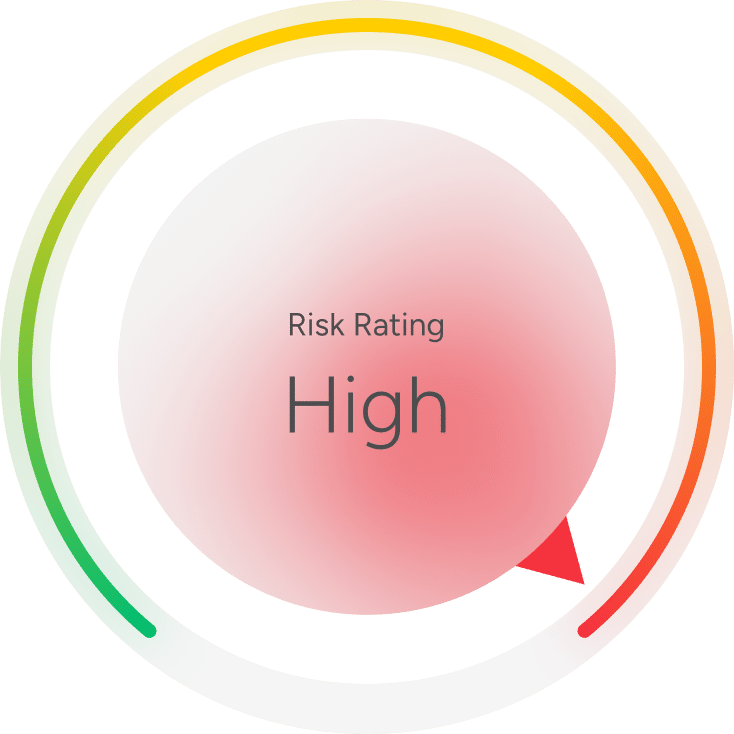
Rating Criteria
Rating Criteria Detail
Corporate Weaponization
Criteria:
Has canceled customers, suppliers, or vendors due to their political views or religious beliefs OR corporately boycotts, divests, or sanctions regions, people groups, or industries.
Risk Level:
HighRationale:
ING notified its clients that it will restrict or stop financing companies it believes are not making enough progress on reducing their climate impact (1). ING will no longer finance new oil or gas projects (2)(3)(4). ING integrates ESG into all of its business practices. The bank works “to know our suppliers and ensure they share our commitment to fighting climate change” and its business relationships are guided by its Environmental Social Risk policy framework (5)(6).
Criteria:
Charitable giving (including employee matching programs) policies or practices discriminate against charitable organizations based on views or religious beliefs.
Risk Level:
LowerRationale:
ING does not discriminate against charitable organizations based on views or beliefs. However, it will only give to religious organizations that provide non-sectarian services (1).
Criteria:
Employment policies fail to protect against viewpoint or other discrimination and/or are ideological in nature.
Risk Level:
HighRationale:
ING requires its employees to take DEI training (1). ING appears to prioritize diversity over merit in its business structure through the establishment of gender targets for its leadership composition. ING is seeking “at least 35 percent women in senior leadership by 2028″ and “at least 30 percent women in the leadership pipeline by 2025” (2). ING protects its employees against viewpoint discrimination (3).
Corporate Governance and Public Policy
Criteria:
Uses corporate reputation to support causes, organizations, or policies hostile to freedom of expression.
Risk Level:
HighRationale:
ING supports DEI within its business practices. From its Diversity, Inclusion and Belonging page: “We treat DIB like any other strategic priority” (1). ING was the first organization to sign the Declaration of Amsterdam’s LGBTQ+ statement and participated in Bloomberg’s 2023 Gender Equality Index (GEI) (2). ING is a member of the Net Zero Banking Alliance, which formerly required a commitment to net zero carbon emissions by 2050. However, in April 2025, the NZBA dropped that commitment as a requirement for membership but still expects members to align their climate targets with limiting global warming to below 2 degrees Celsius by 2100 (3)(4).
Criteria:
Uses corporate funds to advance ideological causes, organizations, or policies hostile to freedom of expression.
Risk Level:
MediumRationale:
ING is a founding partner of “Workplace Pride – International platform for LGBTIQ+ (Lesbian, Gay, Bi-sexual, Transgender, Intersex and Queer) Inclusion at Work” which scores companies on LGBTQ standards (1). Otherwise, there are no publicly known cases of ING using corporate funds to advance ideological causes, organizations, or policies (2).
Related Companies
Banks, Diversified Financials

JPMorgan Chase

Banks, Diversified Financials
BMO Harris
Banks, Diversified Financials
Bank of America

Banks
PNC Financial Services Group
Banks, Diversified Financials
Wells Fargo

Banks
Fifth Third Bank (5/3 Bank)

Banks
U.S. Bancorp

Diversified Financials
Berkshire Hathaway

Banks
Truist Financial

Banks, Diversified Financials
Capital One Financial