Adasina Social Capital
Rating Overview
Rating Criteria
Rating Criteria Detail
Corporate Weaponization
Criteria:
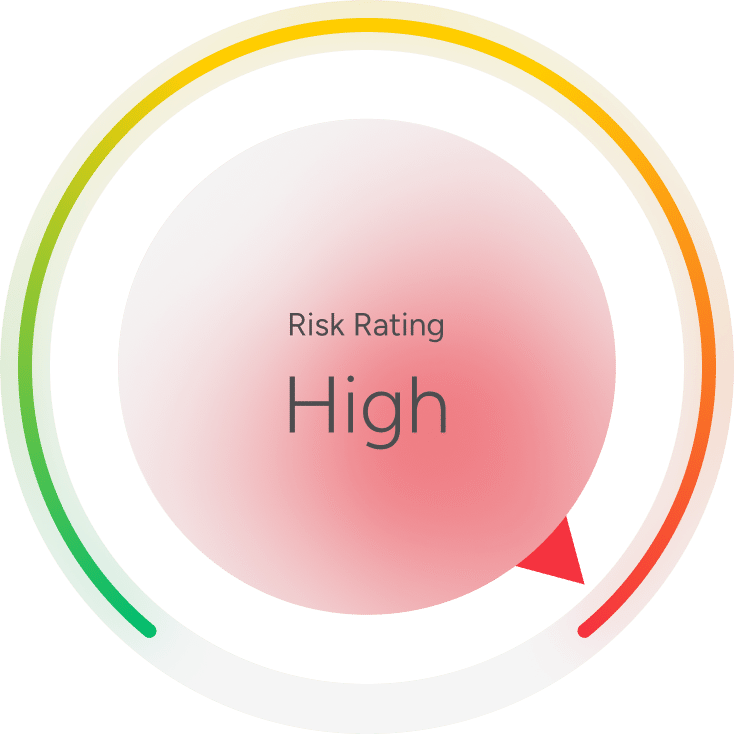
Has canceled customers, suppliers, or vendors due to their political views or religious beliefs OR corporately boycotts, divests, or sanctions regions, people groups, or industries.
Risk Level:
HighRationale:
In August 2022, Texas placed one or more funds from Adasina Social Capital on its List of Financial Companies that Boycott Energy Companies list. The Comptroller’s office examined publicly available data, including licensed information from Bloomberg, LSEG Workspace, and MSCI, to identify U.S.-based funds that appear to restrict or prohibit investments in energy companies. However, in February 2026, a federal judge in Austin issued a ruling prohibiting enforcement of SB 13, the law that allowed the Texas Comptroller to create and maintain its Financial Companies that Boycott Energy Companies list. The court held that the law infringed upon First and Fourteenth Amendment protections. The plaintiffs argued that SB 13 unlawfully penalized financial firms for engaging in protected speech and investment decisions related to ESG policies, effectively compelling viewpoint-based certifications to do business with the state. The State of Texas, however, contended that SB 13 represented a lawful exercise of its authority to direct state investments and contracting decisions and to protect the state’s energy industry from what it characterized as discriminatory financial practices. In February 2026, the Texas Comptroller’s Office and the Texas Attorney General’s Office appealed the ruling to the Fifth Circuit Court of Appeals. The case remains pending (1)(2)(3)(4)(5). Adasina divests from prison systems because “Racial and ethnic disparities are still a substantial feature of our prison system,’ contributing to ‘Blacks and Latinos comprising 56% of the incarcerated population, yet only 30% of the U.S. population’ (The Sentencing Project), while ‘Native Americans are incarcerated 38% higher than the national average’ (Poor People’s Campaign)” (6)(7). The company is a signatory of the Principles for Responsible Investment, incorporating ESG issues into investment analysis, decision-making, and other business practices (8)(9).
Criteria:
Charitable giving (including employee matching programs) policies or practices discriminate against charitable organizations based on views or religious beliefs.
Risk Level:
LowerRationale:
Adasina does not appear to discriminate against charitable organizations based on views or beliefs (1).
Criteria:
Employment policies fail to protect against viewpoint or other discrimination and/or are ideological in nature.
Risk Level:
MediumRationale:
Adasina does not publish a nondiscrimination policy (1).
Corporate Governance and Public Policy
Criteria:
Uses corporate reputation to support causes, organizations, or policies hostile to freedom of expression.
Risk Level:
HighRationale:
Adasina is a member of the “Don’t Ban Equality” business coalition, which advocates against any abortion restrictions because they are “bad for business” (1). The company advocates for DEI, ESG, and Impact Investing (2). The company advocates for net zero investing (3). The company “signed 21 investor letters on subjects including child labor, climate disclosures, worker’s rights, Indigenous rights, AI, climate policy, land sovereignty, Palestine, LGBTQ+ rights, and more” (4). The company supports DEI and ESG within its business practices. From its 2024 Impact Report: “We supported 32 shareholder proposals aimed at social justice, focusing on issues like DEI, corporate governance, executive compensation, political spending, ESG, human rights, pay gaps, and military and tobacco industry involvement, reflecting our continued commitment to equitable and sustainable business practices” (5).
Criteria:
Uses corporate funds to advance ideological causes, organizations, or policies hostile to freedom of expression.
Risk Level:
MediumRationale:
Related Companies
Banks, Diversified Financials

JPMorgan Chase

Banks, Diversified Financials
BMO Harris
Banks, Diversified Financials

Bank of America

Banks, Diversified Financials
Wells Fargo

Diversified Financials

Berkshire Hathaway

Banks, Diversified Financials
Capital One Financial

Diversified Financials
American Express

Banks, Diversified Financials
Morgan Stanley

Diversified Financials
Mastercard

Diversified Financials
Visa