
Walter Scott
These companies are committed to leveraging shareholder or investor assets for net-zero emission goals and climate ambitions for GFANZ, Climate Action 100+, CERES, PCAF, UN PRI, NZLA, FIT, or HSCP.
Rating Overview
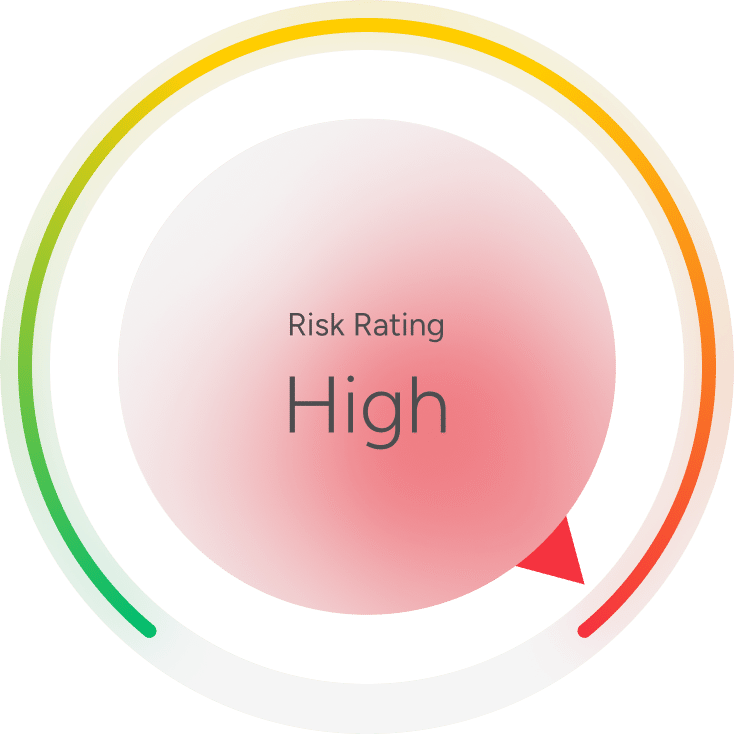
Rating Criteria
Rating Criteria Detail
Corporate Weaponization
Criteria:
Has canceled customers, suppliers, or vendors due to their political views or religious beliefs OR corporately boycotts, divests, or sanctions regions, people groups, or industries.
Risk Level:
HighRationale:
Walter Scott uses its influence to pressure companies it invests in to change their ESG policies, including climate disclosures and which companies it invests in. Walter Scott has divested from companies for not taking action on its recommendations. From its 2023 Annual Sustainability Report: “Typically, our preference is to use our influence as long-term owners to engage with companies on areas of concern rather than divest. However, should our escalation strategy prove unsuccessful, we may choose to sell our investment” (1). The company promotes divisive sex and gender policies. Its Supplier Code of Conduct requires international vendors to include sexual orientation and gender identity in their nondiscrimination policy (2). The company integrates ESG into its business practices. Form its 2024 ESG Integration Overview and Stewardship Policies: “Our Research team and Investment Executive integrate ESG factors into our investment analysis and conduct ongoing proxy voting and engagement” (3). The company is a signatory of the Principles for Responsible Investment, incorporating ESG issues into investment analysis, decision-making, and other business practices (4)(5).
Criteria:
Charitable giving (including employee matching programs) policies or practices discriminate against charitable organizations based on views or religious beliefs.
Risk Level:
LowerCriteria:
Employment policies fail to protect against viewpoint or other discrimination and/or are ideological in nature.
Risk Level:
HighRationale:
Walter Scott requires its employees to take annual DEI training. Walter Scott appears to prioritize diversity over merit in its recruitment. From its Commitment to Diversity and Inclusion 2023 report: “We have also extended the scope of our intern recruitment drive, with the objective of increasing the diversity of candidates… To help us do this… our internship interview panel has also received unconscious bias training” (1). Walter Scott does not provide viewpoint protections for its employees (2)(3).
Corporate Governance and Public Policy
Criteria:
Uses corporate reputation to support causes, organizations, or policies hostile to freedom of expression.
Risk Level:
HighRationale:
Walter Scott supports DEI within its business practices, employing a DEI Council (1). The company is a signatory of the Carbon Disclosure Project, a non-profit that pressures companies to disclose and improve climate policies through a rating system. In 2023, Walter Scott attended the Council for Institutional Investors’ Fall Gathering which focused on discussion around ESG integration and diversity (2)(3). In 2023, the company published its first entity-level TFCD-aligned report with the Task Force for Climate-Related Financial Disclosures, aligning itself to an organization that promotes methods of climate change policy within companies (4)(5)(6). The company monitors which companies have Net Zero goals. However, it does not appear to have or enforce a net zero goal itself (8)(9).
Criteria:
Uses corporate funds to advance ideological causes, organizations, or policies hostile to freedom of expression.
Risk Level:
MediumRelated Companies

Banks, Diversified Financials

JPMorgan Chase

Banks, Diversified Financials
BMO Harris
Banks, Diversified Financials

Bank of America

Banks, Diversified Financials
Wells Fargo

Diversified Financials

Berkshire Hathaway

Banks, Diversified Financials
Capital One Financial

Diversified Financials
American Express

Banks, Diversified Financials
Morgan Stanley

Diversified Financials
Mastercard

Diversified Financials
Visa