Georgia
123 Companies Headquartered in Georgia
Aaron’s LLC, Acuity Brands, Inc., Aditya Birla Group, Aflac, AGCO Corporation, Albritton Capital Management, Alston & Bird, Americold Realty Trust, Ameris Bank, Angel Oak Companies
Georgia Average CBR Summary
Avg. Company Rating
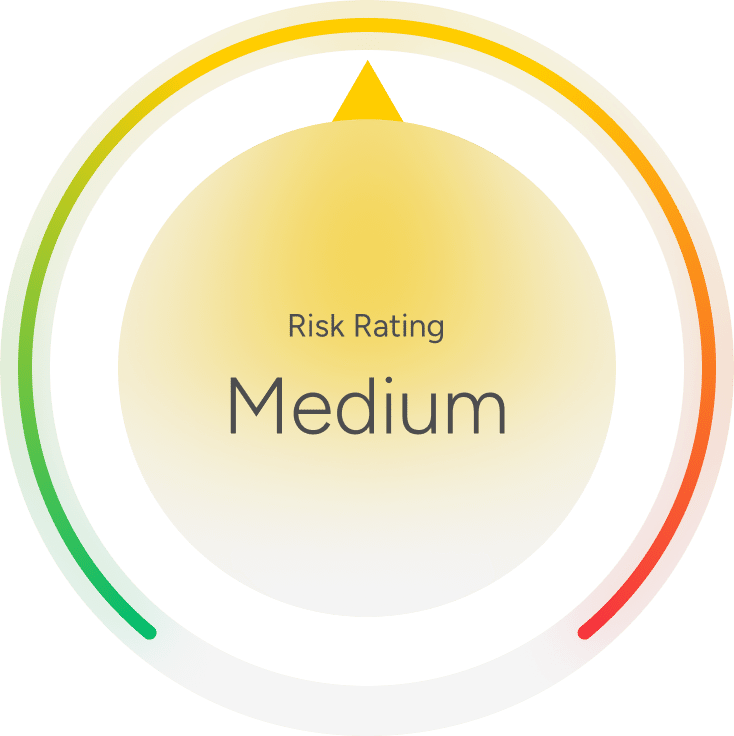
Avg. Rating Criteria
| Criteria | Risk Level |
|---|---|
| Cancellations | Medium Risk |
| Discriminatory Philanthropy | Medium Risk |
| Employment Protection | Medium Risk |
Corporate Weaponization
| Criteria | Risk Level |
|---|---|
| Advocacy Bias | Medium Risk |
| Funding | Medium Risk |
| Political Actions | Medium Risk |
Corporate Governance and Public Policy
State Leadership
State Pension Fund Summary
Georgia has two main public pension systems: the Teachers Retirement System of Georgia (TRSGA) and the Employees’ Retirement System of Georgia (ERSGA).
- The TRSGA board represents all eligible public teachers and consists of 10 members: 2 Ex Officio (State Treasurer, State Auditor), 5 members appointed by the Governor (2 TRSGA members who are classroom teachers and not employees of the Board of Regents, 1 TRSGA member who is a public school administrator, 1 TRSGA member who is not an employee of the Board of Regents, and 1 Member-at-Large), 1 Board of Regents appointee who is a TRSGA member and an employee of the Board of Regents, and 2 Trustee appointees (1 retired TRSGA member and 1 member experienced in the investment of money, but not a member TRSGA).
- TRSGA does not disclose the identity of its general investment consultant in its 2025 Annual Comprehensive Financial Report. However, according to its report, the TRSGA’s general investment consultant is likely Fisher Investments.
The ERGSA administers five defined benefit pension plans for various Georgia state agencies. These investments are pooled together for investment purposes only and overseen by the Division of Investment Services. The investment policy, however, is set by the ERS board.
- The ERS board represents all other eligible state employees and consists of 7 members: 3 Ex Officio (State Auditor, State Treasurer, Department of Administrative Services Commissioner); 1 appointed by the Governor; 2 elected by other Trustees who have had at least five years of creditable service in ERS; 1 elected by other Trustees who have had at least 10 years of investing experience.
- ERSGA does not disclose the identity of its general investment consultant in its 2025 Annual Comprehensive Financial Report. However, according to its report, the ERSGA’s general investment consultant is likely Fisher Investments.
The “By Asset Manager” and “Asset Manager Voting” tables show the proxy voting records of the state’s asset managers who manage the pensions’ stock market portfolio through index, exchange-traded, or mutual funds. Since these are externally managed funds, the asset managers typically retain and exercise proxy voting privileges. This data is used to calculate the state’s pro-ESG and anti-ESG scores to see how the state leverages its externally managed funds in proxy voting.
The data in this table represents funds overseen by the ERSGA. This data was obtained by a Freedom of Information Act (FOIA) request since the ERSGA does not publicly disclose this information to its pensioners. The 1792 Exchange encourages Georgia to publish its proxy voting records instead of keeping its pensioners in the dark about how the state votes on ESG issues with their money.
Both tables are important to show a comprehensive picture of the state’s proxy voting record.