Carter Bank
The biggest 3000 companies in the U.S. in the year of 2025.
Rating Overview
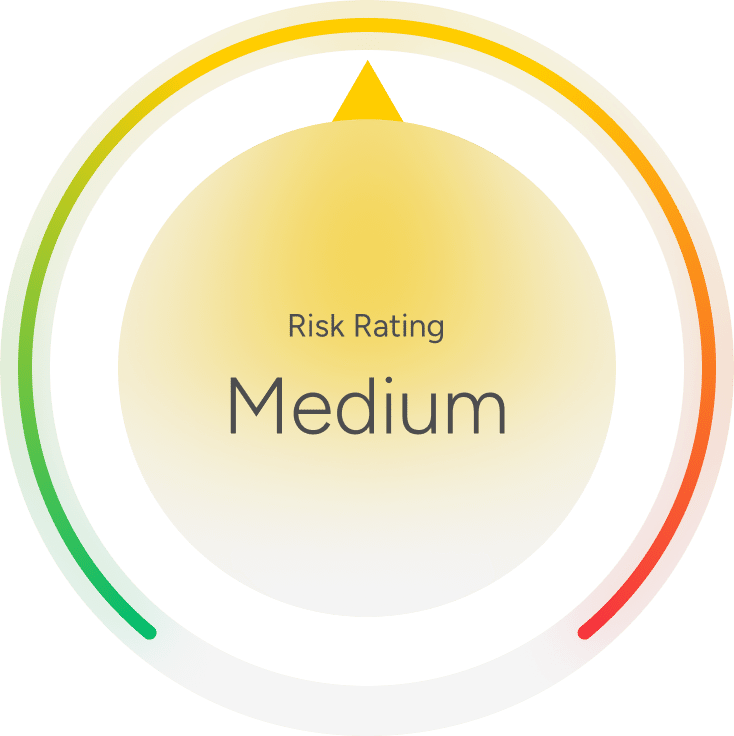
Rating Criteria
Rating Criteria Detail
Corporate Weaponization
Criteria:
Has canceled customers, suppliers, or vendors due to their political views or religious beliefs OR corporately boycotts, divests, or sanctions regions, people groups, or industries.
Risk Level:
MediumRationale:
Criteria:
Charitable giving (including employee matching programs) policies or practices discriminate against charitable organizations based on views or religious beliefs.
Risk Level:
LowerRationale:
Carter Bank does not appear to discriminate against charitable organizations based on views or beliefs (1).
Criteria:
Employment policies fail to protect against viewpoint or other discrimination and/or are ideological in nature.
Risk Level:
HighRationale:
Carter Bank requires its employees to take diversity training (1). The company appears to prioritize diversity over merit in its recruitment. From its 2023 Annual Report: “We continue our commitment to equal employment opportunities by focusing on attracting, developing and retaining a diverse and inclusive workforce” (2). The company is an affirmative action employer. It lists “EOE/AA/M/F/Veteran/Disability” in its equal opportunity policy (3). The company does not provide viewpoint protections for its employees (4).
Corporate Governance and Public Policy
Criteria:
Uses corporate reputation to support causes, organizations, or policies hostile to freedom of expression.
Risk Level:
HighRationale:
Carter Bank supports DEI within its business practices, hosting a DEI Council (1). The company supports ESG within its business practices. From its 2023 Annual Report: “The Company has appointed an ESG Coordinator and has established an ESG Working Group to focus on, and measure the impact of the Company’s ESG programs and initiatives” (2).
Criteria:
Uses corporate funds to advance ideological causes, organizations, or policies hostile to freedom of expression.
Risk Level:
LowerRationale:
Carter Bank has not used corporate funds to advance ideological causes, organizations, or policies (1).
Related Companies
Banks, Diversified Financials

JPMorgan Chase

Banks, Diversified Financials
BMO Harris
Banks, Diversified Financials

Bank of America

Banks
PNC Financial Services Group

Banks, Diversified Financials
Wells Fargo

Banks
Fifth Third Bank (5/3 Bank)

Banks
U.S. Bancorp

Banks
Truist Financial

Banks, Diversified Financials
Capital One Financial

Banks, Diversified Financials
Morgan Stanley